A home remodel can increase property value, but financial return is only one part of the decision. The stronger question is what the project will return through resale value, years of improved daily life, and a home that fits your needs well enough to keep.
That distinction matters in Portland’s current housing market. According to Zillow’s June 2026 data, the average Portland home value was down 0.4% from the previous year. A relatively flat market does not mean remodeling is a poor investment, but it does make disciplined planning more important. Homeowners should not assume general appreciation will quickly cover an oversized or poorly planned project.

A Portland remodel is most likely to be worth the investment when it solves a meaningful problem, fits the value and character of the property, and will be enjoyed long enough to justify the portion of the cost that may not return at resale.
Quick ROI Snapshot for Portland Remodels
| Project Type | Typical ROI Range |
|---|---|
| Garage Door Replacement | 90–100%+ |
| Minor Kitchen Remodel | 70–80% |
| Bathroom Remodel | 60–75% |
| Basement Finish | 65–80% |
| Major Kitchen Remodel | 50–65% |
| Whole Home Remodel | 50–70% |
ROI ranges referenced from Remodeling Magazine’s annual Cost vs. Value Report and Lamont Bros. internal Portland-area project data.
This table provides a high-level view. Your specific home, neighborhood, and scope will determine where your project falls within these ranges.
What Does Remodel Return on Investment Mean?
Most remodeling articles use ROI to describe the percentage of a project’s cost recovered through an increase in home value:
Added home value ÷ remodeling cost × 100 = cost recovered
If a $100,000 remodel adds $60,000 to the home’s value, the project recovered 60% of its cost at that point.
That does not mean the homeowner earned a 60% profit. It means $40,000 of the original investment has not been recovered through immediate resale value.
This distinction is important because remodeling is rarely a short-term financial trade. Most homeowners also receive value from living in the improved space. A kitchen that removes a daily traffic problem may return part of its cost at resale while improving thousands of meals, conversations, and routines before the house is sold.
What Is a Good Portland Remodel Return on Investment?
There is no single reliable percentage for all Portland remodels. The return changes based on:
- The project type and scope
- The value of the home before remodeling
- Comparable homes in the neighborhood
- The quality and condition of the existing space
- Added bedrooms, bathrooms, or permitted living area
- Design decisions and finish level
- Construction quality
- The homeowner’s expected selling date
- Market conditions at the time of sale
National reports can provide a reference point, but they should not be treated as a forecast for an individual Portland home.
The 2025 Remodeling Impact Report from the National Association of Realtors estimated 50% cost recovery for a bathroom renovation, 60% for both a minor kitchen upgrade and complete kitchen renovation, and 71% for a basement conversion.
Those figures are based on national surveys and a hypothetical 2,300-square-foot, post-1978 home with no concealed problems. Many Portland homes are older, smaller, or more complicated. A century-old Craftsman with outdated systems cannot be evaluated the same way as a newer suburban home.
Use national ROI percentages as context. Use your home, neighborhood, project scope, and expected ownership period to make the decision.
Financial Return and Daily-Life Return
Financial return is the amount of remodeling cost reflected in the home’s value. Daily-life return is what the project changes while you live there.
Daily-life return can include:
- A kitchen that works for two cooks
- A bathroom that is easier to use
- Space for working from home
- A bedroom on the main floor
- More natural light
- Better storage
- Room for family to gather
- Improved access between rooms
- The ability to remain in a neighborhood you value
The 2025 NAR report found that better functionality and livability was the most commonly reported primary result of remodeling. It also found that 64% of surveyed homeowners had a greater desire to remain in their homes after completing a project.
That does not replace financial analysis. It explains why a remodel can be worthwhile without recovering every dollar at the next sale.
Which Remodeling Projects Tend to Produce the Best Return?
Smaller, targeted projects often recover a higher percentage of their cost than large custom renovations. They cost less, address visible problems, and usually appeal to a wider group of buyers.
A larger remodel can still be the right investment. Its value is more likely to come from long-term use and solving problems that a surface update cannot fix.
Kitchen Remodels
Kitchen remodel return is strongest when the project improves layout, storage, lighting, and workflow without spending far beyond what the home and neighborhood support.
A kitchen does not always need to be enlarged or completely reconfigured. If the layout already works, preserving it can control construction costs and allow the budget to focus on cabinets, counters, lighting, fixtures, and storage.
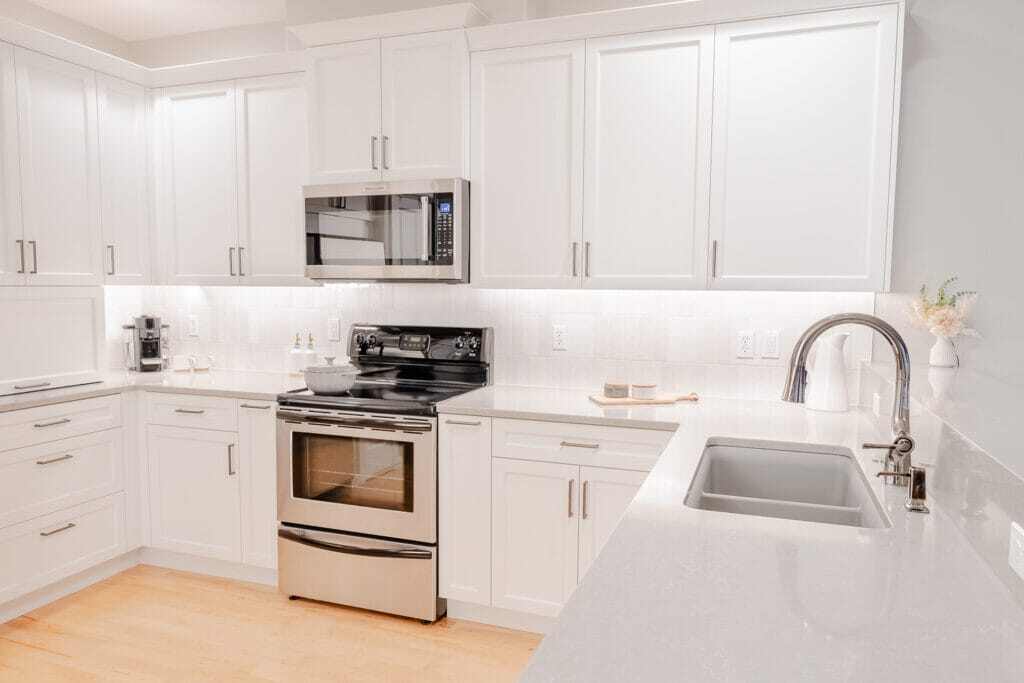
Our Pristine Townhome Kitchen and Bathroom demonstrates this approach. We kept the existing layouts and used a pull-and-replace strategy to update the spaces. New cabinetry, counters, fixtures, and an appliance garage improved function and appearance without introducing unnecessary structural work.

In other homes, the layout is the central problem. The Garden Home Kitchen had traffic moving directly through the cooking area and congestion near the refrigerator. Removing a wall and relocating key elements created better movement between the kitchen and adjoining rooms. This project is relevant to ROI because the investment addressed a functional weakness rather than treating the kitchen as a collection of finishes.
Explore our kitchen remodeling services for the types of layout, storage, and construction changes that may be included.
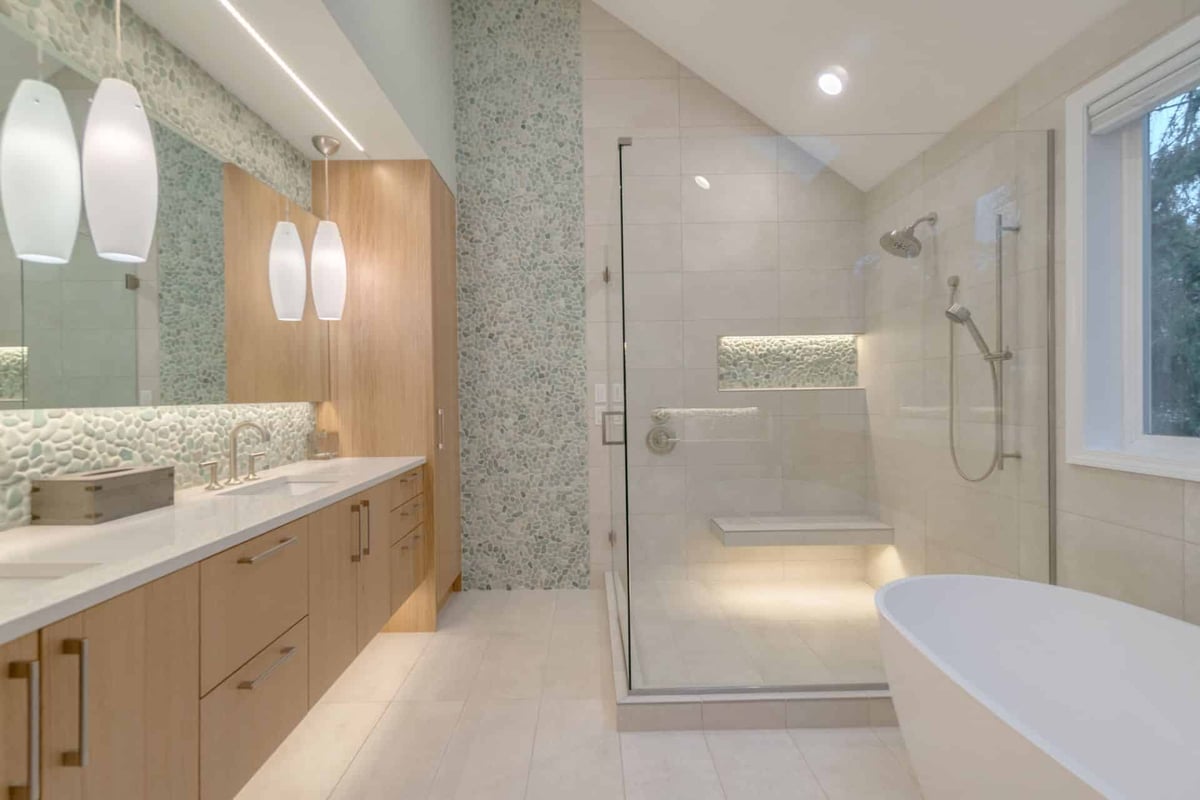
Bathroom Remodels
Bathroom renovations are often attractive to buyers because the room is used every day and water damage, poor ventilation, dated plumbing, or a difficult layout can raise concerns.
However, ROI on a bathroom remodel depends heavily on scope. Replacing worn fixtures and finishes within a functional layout is different from expanding the room, relocating plumbing, or building a custom shower.
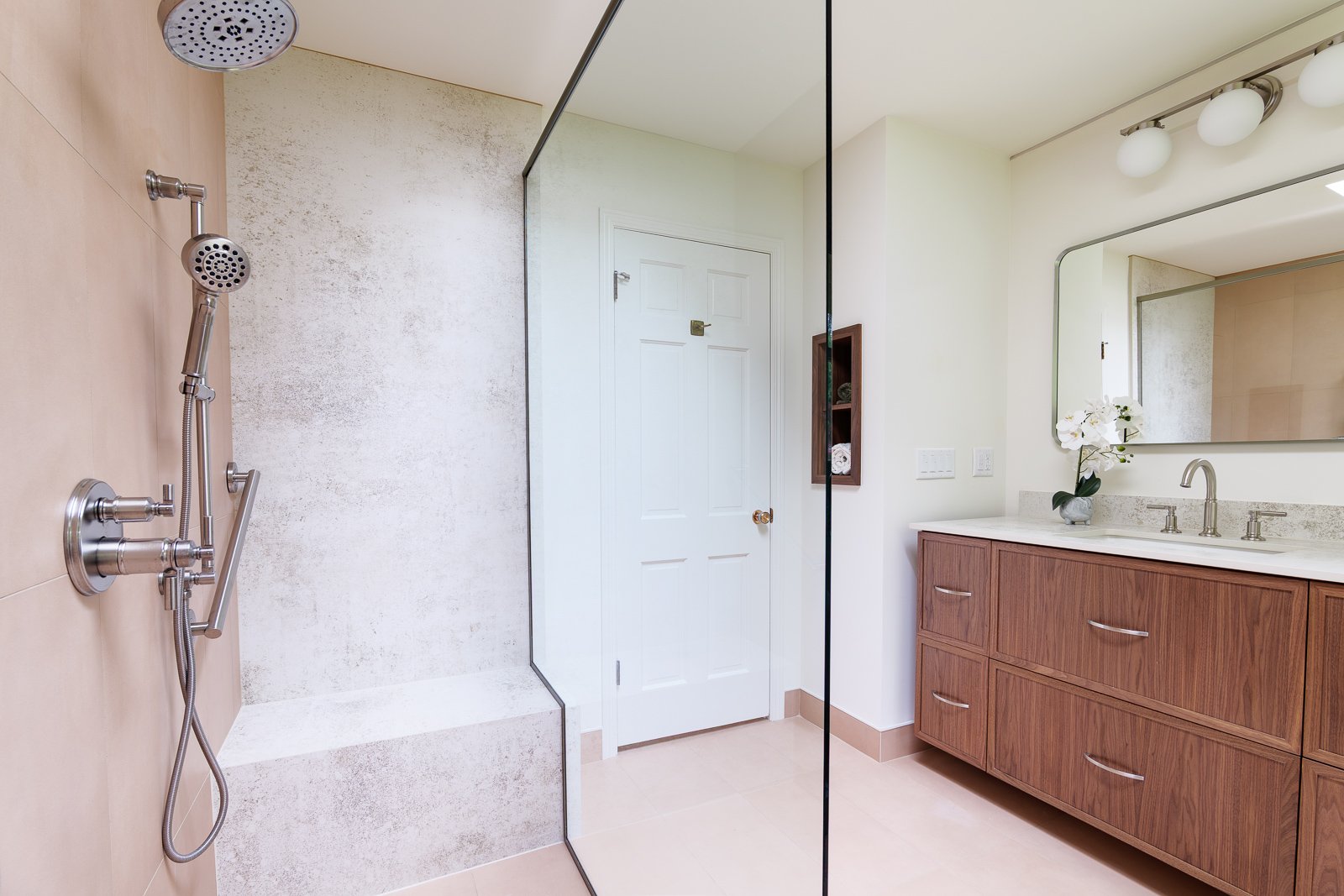
The 2025 NAR report estimated 50% national cost recovery for a bathroom renovation. That number should not be presented as a guaranteed Portland return. A bathroom remodel may be worth completing at a lower immediate cost recovery when it solves a serious daily problem or will be used for many years.

The strongest bathroom investments usually begin with the room’s performance: waterproofing, ventilation, lighting, storage, clearances, and ease of use. Tile and fixtures then support that plan.
Our bathroom remodeling services cover both targeted updates and complete layout changes.
Basement Conversions
A basement conversion can add useful living space without increasing the home’s exterior footprint. Its potential value depends on ceiling height, moisture control, egress, stairs, structural conditions, and the ability to permit the space as intended.
The Craftsman-Style Basement began with dirt and broken concrete floors, an inadequate staircase, and structural needs. The completed project created space for an office, media room, gym, and workshop while also incorporating a seismic retrofit.
This example matters because it shows why square footage alone does not determine return. Turning an unfinished basement into durable living space may require excavation, structural work, utilities, code-compliant stairs, and moisture planning. Those costs must be evaluated before estimating the project’s value.
Learn more about basement remodeling services.
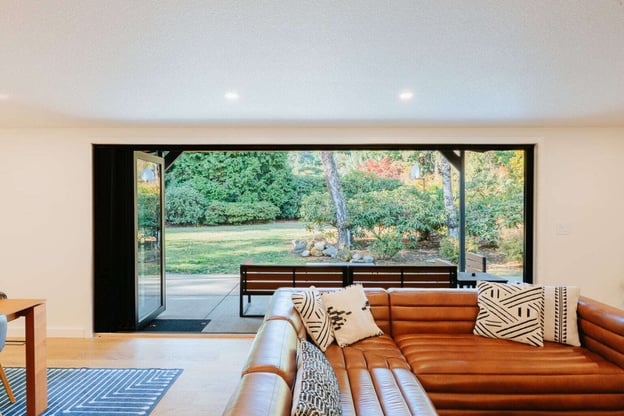
Whole-Home Remodels
A whole-home remodel usually recovers a lower percentage at immediate resale than a smaller targeted update because the investment is larger and more personal. Its strongest return often comes from solving several connected problems and extending the useful life of the home.
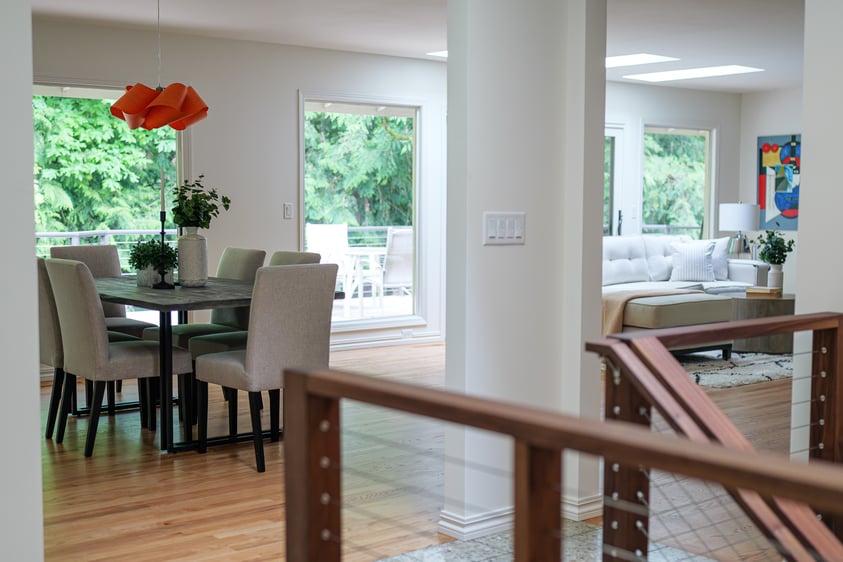
The 1950s Southwest Portland Whole-Home Remodel addressed a closed kitchen, tight pathways, awkward basement access, inconsistent finishes, and underperforming utility spaces. Relocating the basement stairs and coordinating the kitchen, bathrooms, laundry, and circulation produced a more coherent home.
This project is relevant because no single room could solve the original problem. The value came from making the entire layout work together.
Our whole-home remodeling services are designed for projects where layout, systems, structure, and finishes need to be addressed as one plan.
Home Additions
An addition can create a bedroom, bathroom, kitchen expansion, office, or multigenerational suite that the existing footprint cannot provide.

Added square footage does not automatically produce a strong return. The new space must be useful, permitted, well connected to the original home, and appropriate for the neighborhood. Complex rooflines, extensive foundation work, and inefficient shapes can raise cost without creating proportional value.
Read our guide to the return on investment of a home addition for a closer look at the variables involved, or explore our home addition services.
What Reduces Remodel ROI?
Several common decisions can weaken the financial return of an otherwise well-built project.
Spending Beyond the Home’s Likely Market Position
A remodel should not be designed only around neighborhood averages, but comparable homes still matter. A project that pushes the total investment far beyond similar nearby properties may provide excellent daily use while recovering less at resale.
That may be an acceptable tradeoff for a homeowner staying long term. It should still be recognized before the scope is approved.
Paying for Change Without Solving a Problem
Replacing functional materials solely because they are no longer fashionable can create a shorter-lived return. Changes that improve layout, storage, durability, lighting, or maintenance usually have a clearer purpose.
This does not mean aesthetics are unimportant. The home should feel personal and visually resolved. The design simply needs a stronger reason than following the current trend cycle.
Over Personalizing for a Near-Term Sale
A homeowner planning to remain for many years can reasonably design around personal habits and preferences. Someone selling soon should place more weight on broadly usable layouts, durable materials, and a scope supported by local comparables.
Personal design is not automatically bad for resale. The risk rises when expensive decisions make the home harder for another household to use.
Ignoring Permits and Documentation
Unpermitted work can create problems during appraisal, inspection, financing, or a future sale. The City of Portland identifies additions, basement and garage conversions, new bathrooms, wall changes, and many structural alterations as work that generally requires permits. Homeowners can review the city’s residential remodeling permit guidance for current requirements.
Permits do not guarantee a financial return, but missing documentation can weaken confidence in the work and limit how new space is represented.
Treating the Initial Estimate as the Final Scope
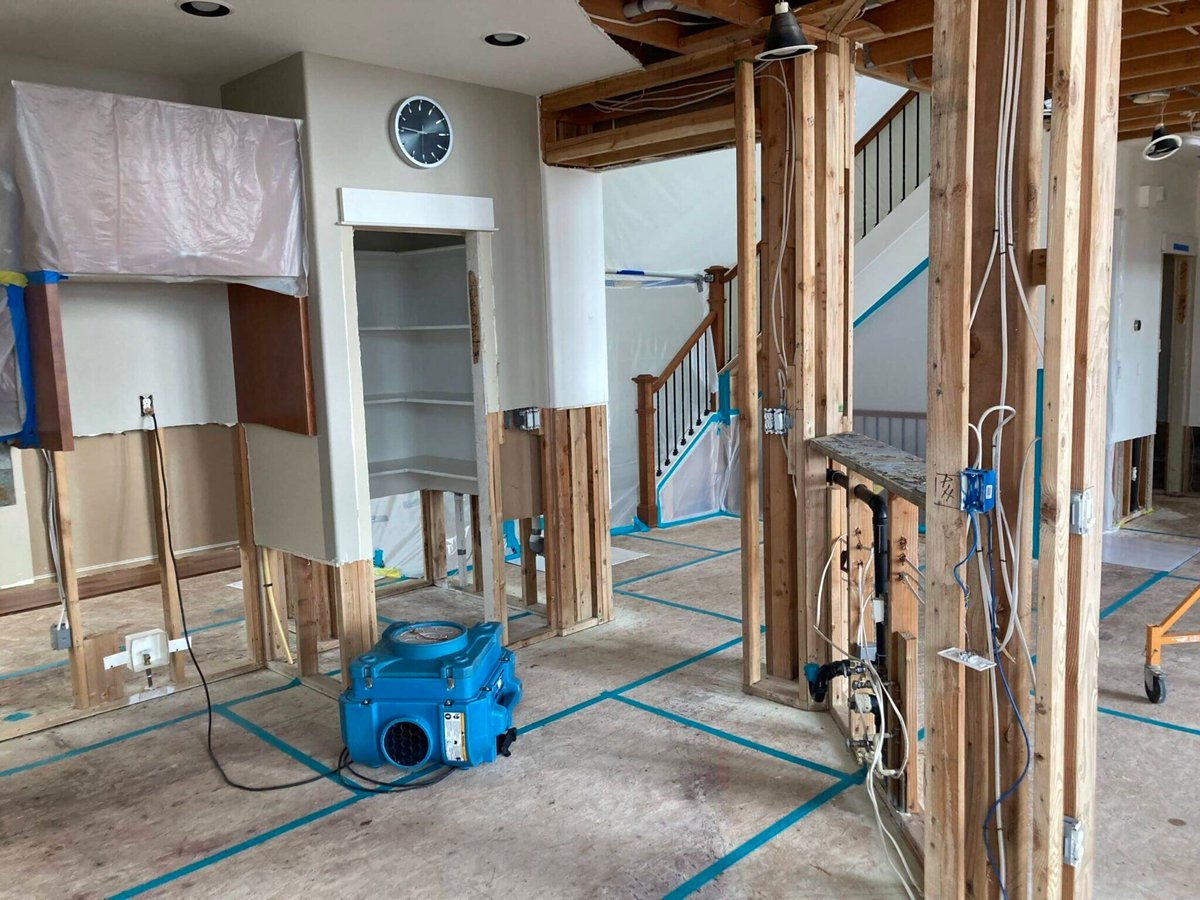
A preliminary estimate cannot account for every design choice or concealed condition. This is especially important in Portland’s older homes, where structural framing, outdated electrical systems, plumbing, lead paint, or asbestos may affect the project.
Our guide to estimating home remodeling costs explains how a rough budget becomes more reliable as scope, specifications, and site conditions are defined.
When Should You Remodel a Portland Home?
The best time to remodel is not determined by one season or a prediction that construction prices will fall.
It may be time to move forward when:
- The home no longer supports important daily routines
- You expect to remain in the home for several years
- The location still works for your life
- The property can support the proposed changes
- You have a realistic budget and financing plan
- Repairing an active problem now can prevent further damage
- You are prepared to make decisions during design
It may be better to pause when the project goals are unclear, the budget depends on an optimistic resale estimate, or moving could solve the problem more effectively.
Interior remodeling can happen throughout the year. Exterior work is more sensitive to Portland’s rain, temperature, and daylight. Availability, permitting, design time, material lead times, and your family’s schedule often matter more than the month construction begins.
A significant remodel should be planned months before the desired construction start. Our article on the design-build process explains what happens before work begins.
Should You Remodel or Move?
Remodeling may make sense when you value your neighborhood, the property can support the changes, and the finished home would meet your needs for years.
Moving may make more sense when the lot, structure, zoning, location, or total investment prevents the current home from becoming what you need.
Compare more than the remodel cost and the purchase price of another house. The decision may also involve selling expenses, moving costs, needed work in the replacement home, financing, property taxes, commuting, schools, and the personal value of remaining in the neighborhood.
Our move-or-remodel guide provides a more complete comparison.
Is Remodeling Worth It in Portland Right Now?
For homeowners who like their location, plan to stay, and have a meaningful problem to solve, remodeling can still be worth doing in Portland’s relatively flat 2026 market.
A flatter market makes it less reasonable to count on rapid appreciation to correct an oversized investment. It places more importance on accurate budgeting, useful design, construction quality, permit documentation, and a realistic ownership period.
Remodeling is less likely to make financial sense when the homeowner expects to sell soon, the project is mainly cosmetic, or the scope would place the total investment well above comparable homes.
A strong decision does not require every dollar to return immediately. It requires knowing which part of the investment may return at resale and what the remaining investment will provide while you live there.
Frequently Asked Questions
How do you calculate remodel ROI?
The remodeling industry commonly calculates cost recovery by dividing the estimated increase in home value by the project cost and multiplying by 100.
A $100,000 project that adds an estimated $60,000 in value has recovered 60% of its cost. It has not generated a 60% profit.
What remodeling project has the highest return on investment?
National reports often place lower-cost exterior replacements above major interior renovations for percentage cost recovery. The best project for a specific home is the one that corrects a meaningful weakness without spending beyond what the property and neighborhood can support.
What is the ROI on a bathroom remodel?
The 2025 NAR Remodeling Impact Report estimated 50% national cost recovery for a bathroom renovation. Actual bathroom remodel ROI in Portland depends on the existing room, project scope, home value, neighborhood, materials, and selling date.
Is it cheaper to remodel or move?
The answer depends on the cost of creating the home you need compared with selling, buying, moving, financing, and possibly renovating another property. Remodeling often has an advantage when the location already works and the current structure can support the desired changes.
When is the best time to remodel a Portland home?
The best time is when the project goals, budget, design, and property feasibility are clear. Interior projects can proceed throughout the year, while exterior work requires more planning around Portland weather. Begin design well before the desired construction date.
Is remodeling worth it if I plan to stay long term?
A longer ownership period gives you more time to receive daily-life value from the remodel. It may also reduce the importance of recovering the full project cost through an immediate sale. The project still needs a realistic budget and a design that fits the home.
Decide What the Remodel Needs to Return
A remodel should do more than make a house look newer. It should solve the problems that affect how you live, preserve what is worth keeping, and use the investment where it makes the greatest difference.
Our role is to help homeowners examine the existing home, define the real goal behind the project, compare possible scopes, and connect design decisions with construction costs before work begins. The result should be a home that earns its value through daily use and is built with future ownership in mind.
Meet with a design consultant to explore what a remodel could return for your Portland home.
-1.jpg)