ADU Feasibility & Site Planning
Every ADU starts with understanding what your property can support, including lot layout, access points, and where the unit can be placed. This step helps determine whether a detached ADU, garage conversion, or basement ADU is the best fit.
Zoning, Permitting & ADU Code Requirements
ADUs must meet local zoning rules and building codes that can affect size, height, setbacks, and parking requirements. Early permitting coordination helps prevent redesigns and keeps the project moving forward.
Utility Connections & System Planning
Because an ADU functions as a separate living space, utilities often need to be extended, upgraded, or separated. This includes electrical capacity, plumbing tie-ins, HVAC strategy, and planning for water heater and laundry needs.
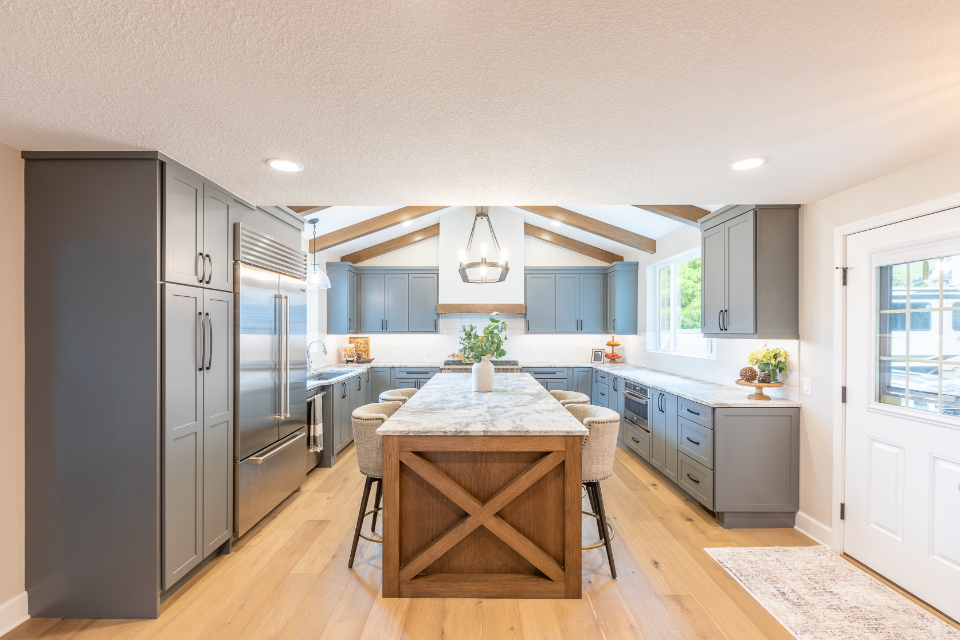
Independent Living Features (Kitchen + Bath)
Most ADUs include a full kitchen and bathroom, which require careful layout planning for plumbing, ventilation, and efficient use of space. Durable finishes and smart storage choices help the ADU live comfortably without feeling cramped.
Privacy, Access & Entry Design
ADU construction needs to consider how the unit will be accessed and how private it will feel from the main home. Thoughtful placement of entrances, windows, and outdoor space can make the ADU feel like a true standalone residence.
Long-Term Performance & Comfort
ADUs should be built for everyday living, with proper insulation, sound control, moisture management, and ventilation. These details improve comfort for occupants and reduce maintenance issues over time—especially in smaller spaces.