Many homeowners start planning a remodel with a rough number in mind, often based on online averages, cost-per-square-foot estimates, or stories from friends. Then the bids come in, and the pricing feels all over the map.
In this episode of the Design & Build Show, we break down why remodeling costs are so hard to predict, why some contractors are dramatically cheaper than others, and how homeowners can build a more realistic budget before they commit to a project. If you’re still trying to get your arms around pricing, our home renovation cost guide is a helpful place to start.
Watch the full episode for a deeper look at what actually drives renovation costs and how to avoid expensive mistakes.
[Podcast] Why Is Remodeling So Expensive Compared to What Homeowners Expect?
Remodeling often feels expensive because homeowners are not just paying for finishes like cabinets, tile, or flooring. They’re also paying for planning, labor, project management, code compliance, existing home conditions, and the risk that comes with changing an already-built house.
Unlike new construction, remodeling has to work around what already exists. That means contractors have to account for things like:
- hidden structural issues
- outdated framing, plumbing, or wiring
- uneven floors and walls
- permit and inspection requirements
- design decisions that affect labor and materials
- varying levels of quality in products and craftsmanship
That’s also why remodeling quotes can vary so much.
Some contractors price with more detail, more overhead, stronger systems, and more long-term support. Others may underprice projects, miss important scope, or rely on allowances and assumptions that make the initial bid look lower than the final cost.
The result is that a remodel may seem expensive not because the numbers are inflated, but because the true cost of doing the work well is often much higher than homeowners expect at the start.
Three Main Reasons Remodeling Pricing Feels So Confusing
This episode focuses on a few core ideas.
Reason 1: not all contractors think about cost the same way. Some use detailed systems and long-term business planning.
Others are pricing from habit, rough guesswork, or outdated assumptions.
That can create major differences between bids, even for similar work. That’s one reason it’s so important to understand how to find a good contractor in Portland before comparing estimates at face value.
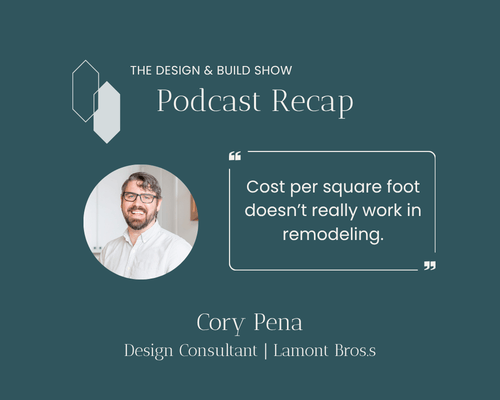
Reason 2: cost per square foot is usually not a reliable way to price a remodel. It may be more useful in new construction, where homes are built from a repeatable system.
Remodeling is different because every home has different conditions, code requirements, and design choices.
Reason 3: cheap remodeling is rarely cheap for the reasons homeowners hope. Lower prices often come from cutting scope, using lower-grade materials, skipping permits, missing code requirements, or underpricing labor.
In some cases, that leads to delays, cash flow problems, warranty issues, or work that has to be redone later.
How to Budget for a Home Remodel
The best way to build a realistic budget is to start with your financial limits, define your goals clearly, and work with a contractor who can guide scope and selections responsibly. A good remodel budget is not based on internet averages alone. It’s built around your home, your priorities, and the actual work required to do the project well. For homeowners early in the planning stage, learning more about budgeting and financing your remodel can make those first decisions much clearer.
Home Remodeling Costs | FAQs
Why is remodeling more expensive than homeowners expect?
Many homeowners compare remodeling to online averages or simple cost-per-square-foot numbers. In reality, remodeling includes design, labor, project management, permits, code compliance, demolition, and problem-solving for the conditions already inside the home.
Why do contractor quotes vary so much?
Contractor quotes vary because companies use different pricing systems, quality standards, overhead structures, and assumptions about the work. One contractor may include realistic planning and support, while another may leave out important details that raise the final cost later.
Why is cost per square foot not a good way to price a remodel?
Cost per square foot is too broad for most remodeling projects. It does not reflect the condition of the home, the complexity of the work, structural upgrades, finish selections, or the level of customization involved.
Why can a cheap remodel become more expensive later?
A low initial price may come from underbidding labor, skipping permits, using lower-quality materials, or missing code-related scope. That can lead to delays, rework, failed inspections, warranty issues, or additional costs when the homeowner tries to fix the project later.
Does skipping permits save money on a remodel?
Skipping permits can reduce upfront costs, but it often creates larger long-term risks. Unpermitted work can lead to fines, forced corrections, resale issues, and expensive repairs if the work does not meet code.
What actually drives the cost of a remodel?
The biggest cost drivers usually include labor, materials, project complexity, existing home conditions, structural work, plumbing and electrical changes, permits, and the level of finish quality the homeowner chooses.
How can homeowners build a more realistic remodeling budget?
Start by understanding how much you can comfortably invest, whether through cash or financing. Then talk with experienced contractors, share your goals and budget honestly, and use that information to shape the project scope before design decisions get too far ahead of cost.
Is a higher-priced contractor always better?
Not always. But a higher price may reflect stronger planning, better communication, higher-quality materials, experienced trades, warranty support, and a more stable company. The key is understanding what is actually included in the price.
Can homeowners save money without cutting corners?
Yes. Savings often come from simplifying scope, making smart material choices, phasing the project, or taking on minor DIY tasks where appropriate. The goal should be reducing unnecessary cost, not removing the parts of the project that protect quality and longevity.
-1.jpg)
Joseph Patrick
Co-Founder & CEO of Lamont Bros. Design & Construction
Joseph Patrick is the co-founder and CEO of Lamont Bros. Design & Construction. As Lamont Bros.’ principal designer for many years, he has led the design of custom homes, major additions, and high-end remodels throughout the Portland area, with multiple awards, design accolades, and magazine mentions.