Building an ADU in Portland
Portland has emerged as one of the most ADU-friendly cities in the country, thanks to progressive zoning reforms and a growing demand for flexible housing options. Under the city’s Residential Infill Project and related zoning changes, Portland allows accessory dwelling units on most residential lots, even permitting two ADUs on a single property under certain conditions. These relaxed zoning standards open a world of possibilities for homeowners who want to maximize the use of their property and invest in future value.
Whether you want to provide housing for your aging parents, support adult children moving back home, or generate rental income, ADUs deliver flexible living solutions while staying in line with Portland’s long-term housing strategies. From detached backyard cottages to garage and basement conversions, there are multiple ways to configure an ADU that fits your property and lifestyle.
Adding an ADU typically increases the overall value of your property. Many Portland area homeowners see strong returns on investment through long-term rentals, short-term stays (when permitted), or enhanced resale value. This makes an ADU not only a functional addition but also a smart financial decision.
.png?width=240&height=240&name=Untitled%20design%20(37).png)


%20(1).png?width=240&height=240&name=Untitled%20(240%20x%20240%20px)%20(1).png)
What Types of ADUs Can You Build in Portland?
Portland allows several types of accessory dwelling units depending on lot size, zoning, and home configuration.
Detached Backyard ADUs
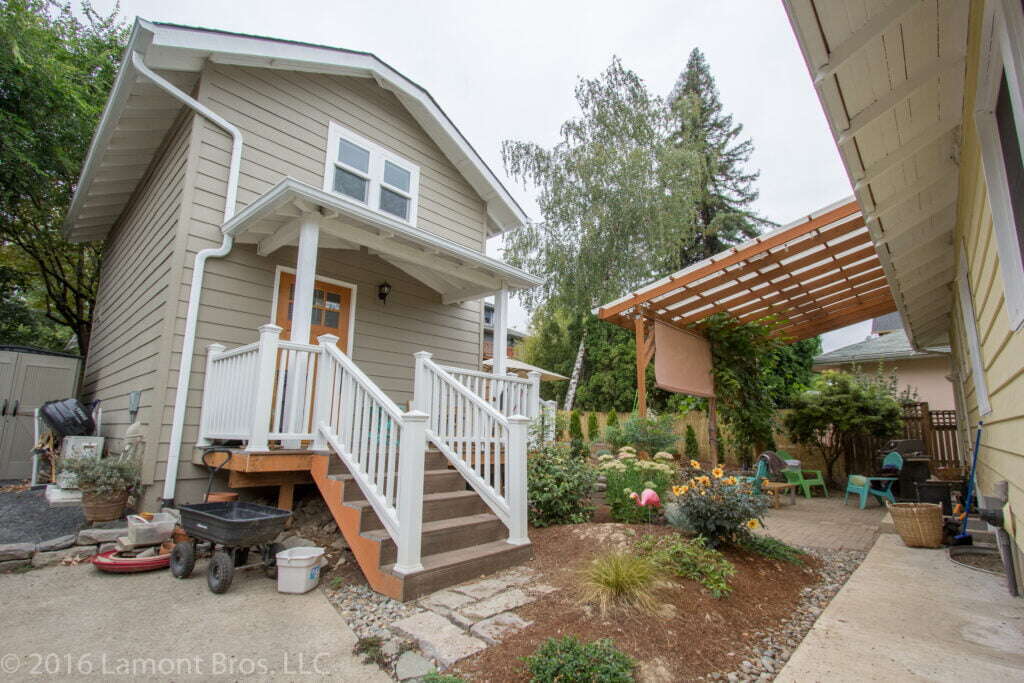
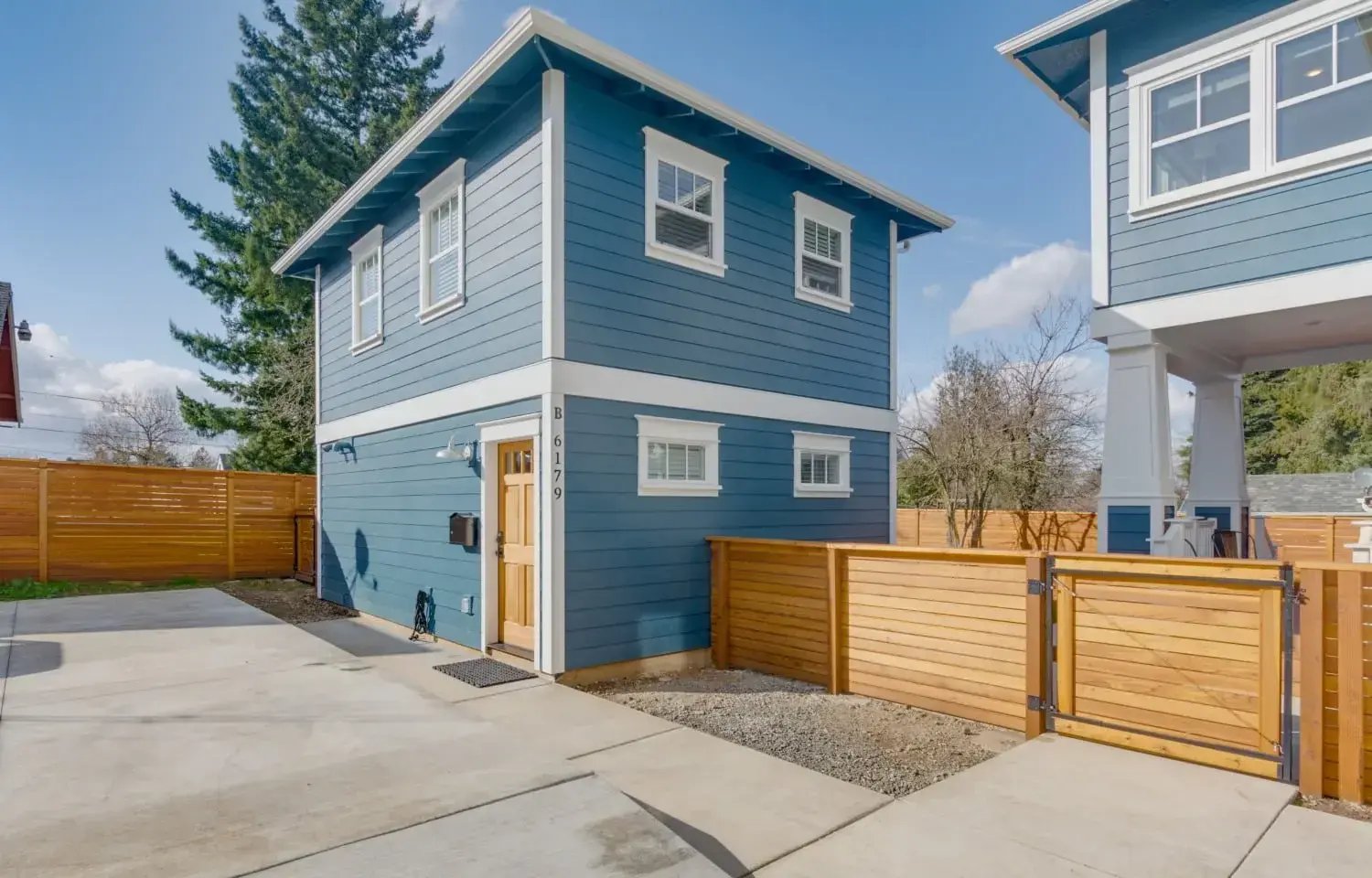
Standalone cottages built in your backyard, ideal for rental income, multigenerational housing, or private guest accommodations.
Garage Conversion ADUs
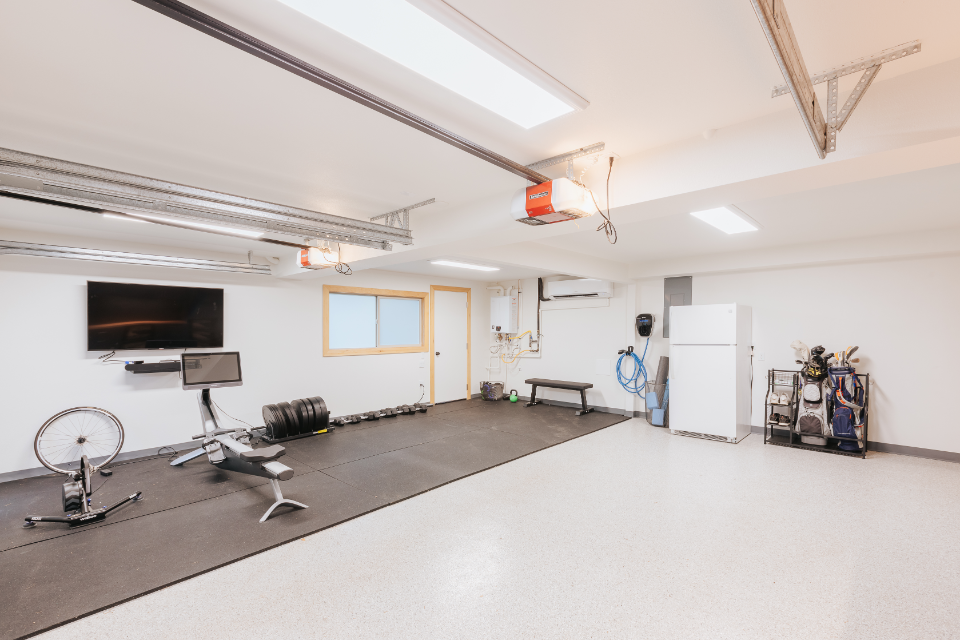
Transforming an existing garage into a legal dwelling unit while upgrading structure, insulation, plumbing, and electrical systems to meet Portland code.
Basement ADUs
Converting lower-level space into a separate living unit with independent kitchen, bath, and entrance access where feasible.
Attached ADUs
An addition or conversion connected to your main home but functioning as a separate dwelling.