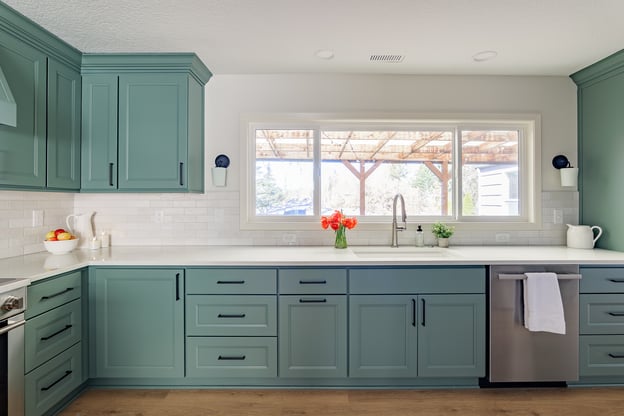
Kitchen cabinets are one of the most visible and most expensive parts of any kitchen remodel. Costs vary significantly depending on materials, construction quality, and customization. This guide breaks down exactly what drives those differences and what you can realistically expect to pay for quality cabinets that are built to last.
Key Points
- Cabinet costs vary widely based on materials and construction. For a typical 18-cabinet kitchen, midrange laminate runs around $11,470 while high-end wood can reach $30,000 — a nearly 3x difference driven by material quality, joinery, and manufacturing standards rather than just aesthetics.
- Three core factors determine what you'll pay. The combination of components (laminate vs. wood, drawer box construction, soft-close hardware), customization options (custom sizing, colors, and finishes), and fit and finish (surface quality and dimensional tolerances) are what separate a budget cabinet from a premium one — and what justify the price difference.
- Long-term value should guide your decision. High-end wood cabinets can last 20–50 years and can be sanded and refinished when worn, while laminate typically needs replacement within 10–20 years. For homeowners planning to stay long-term, the higher upfront investment in wood often makes more financial sense over time.

How Much Do Kitchen Cabinets Cost?
Kitchen cabinets typically account for about 25% of the total cost of a kitchen remodel. For a kitchen requiring around 18 cabinet boxes, a common size for a mid-to-large kitchen remodel, here's what the investment looks like:
| Cabinet Quality | Cost Per Box | Estimated Total (18 Cabinets) |
|---|---|---|
| Midrange Laminate | ~$635 | ~$11,470 |
| High-End Wood (matched grain) | ~$1,700 | ~$30,000 |
That's nearly a 3x difference for the same kitchen footprint — driven entirely by material quality, construction standards, and finish level.
The 3 Key Factors That Determine Kitchen Cabinet Cost
Cabinet pricing comes down to three core factors: components, customization, and fit and finish. Each one helps you make smarter decisions and invest your budget where it matters most.
1. Components: Materials and Construction
A big decision when it comes to the components of your cabinets is the type of material: laminate or wood.
Laminate cabinets
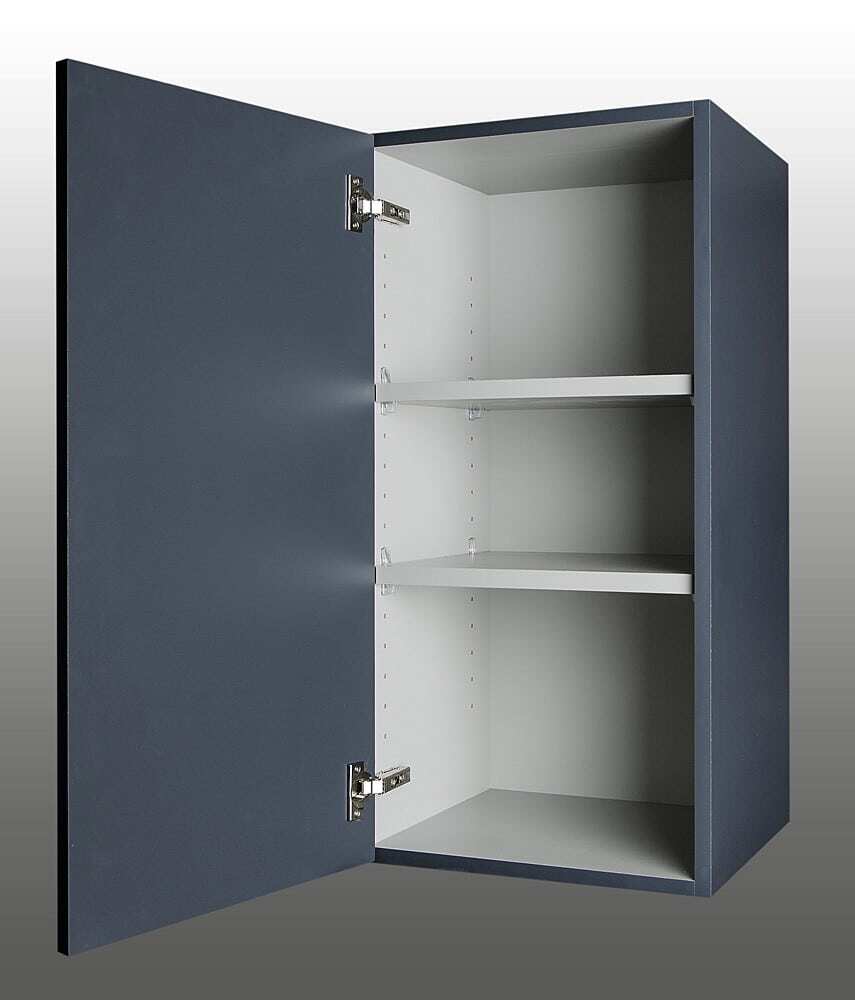
Laminate cabinets typically feature an MDF or HDF box with a white melamine interior. Melamine is heat-, stain-, moisture-, and abrasion-resistant, which makes it a practical choice for moderate use. The limitation: laminate is difficult to repair when it chips or dents, and it doesn't hold up as well over decades of heavy use.
High-end wood cabinets
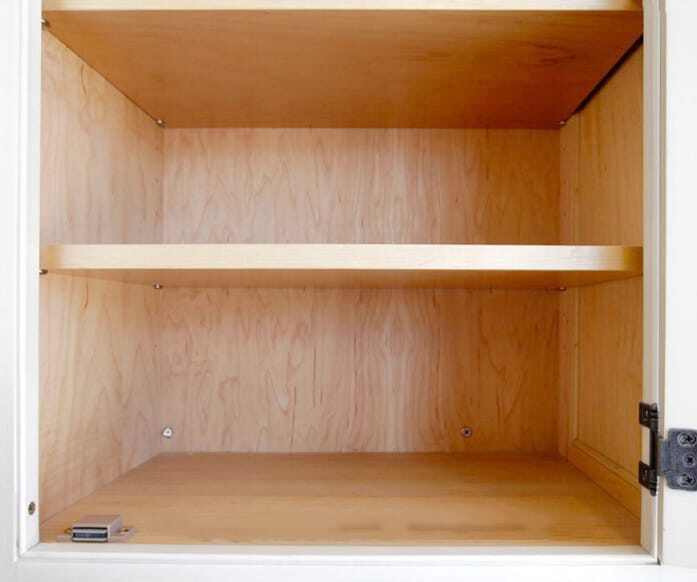
Quality wood cabinets are built with plywood boxes and maple or basswood interiors. Beyond the premium look and feel, the real advantage is longevity and repairability. A wood cabinet that gets scratched or worn can be sanded down and refinished to look brand new — something laminate simply can't offer. For homeowners investing in a kitchen they plan to keep for 20 or 30 years, wood is the clear choice.
Drawer Box Construction
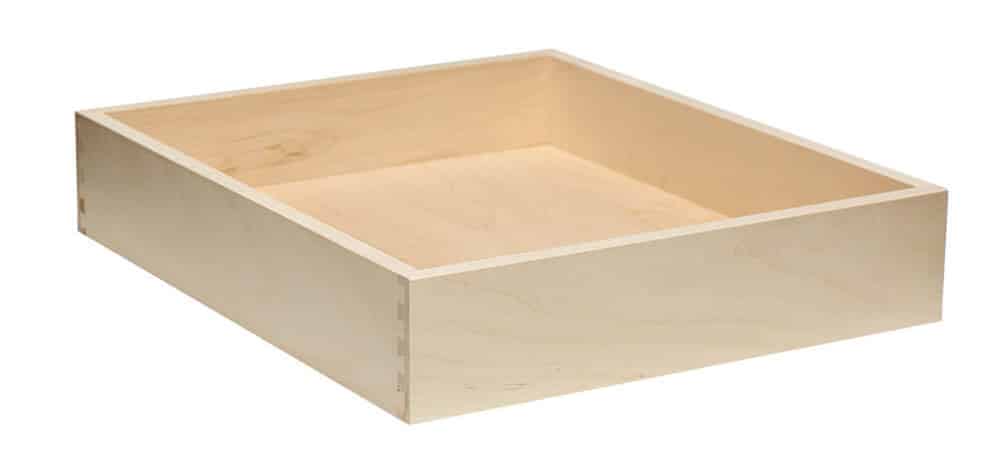
Drawer boxes are often overlooked during the planning process, but they're touched dozens of times a day. Higher-end options include:
- Wood dovetail drawers — Classic joinery that signals quality craftsmanship
- Sanded dovetail drawers — The premium tier; smooth, finished edges and a refined feel that you notice every time you open a drawer
Soft-Close Hardware
Soft-close doors and drawers are standard on every quality kitchen remodel we do — and for good reason. Rather than slamming shut, doors and drawers ease closed automatically, significantly reducing wear on hinges, boxes, and face frames over time.
One underappreciated feature: soft-close tension is adjustable. Larger, heavier cabinet doors can be set to close more firmly; smaller doors can be dialed back so they close smoothly without feeling stiff. Without soft-close, those doors and drawers simply bang shut, accelerating wear from day one.
Customization: Getting the Exact Kitchen You Want
The degree of customization you need — and want — has a meaningful impact on cost.
With lower-end cabinets, you're choosing from a fixed menu of sizes, colors, and finishes. That works for straightforward kitchens, but it means compromising if your space has unusual dimensions or if you're designing around a specific aesthetic.
High-end cabinets open up a completely different level of flexibility: near-limitless paint and stain color options, custom dimensions built to a fraction of an inch, and the ability to match existing architectural details in your home. If we can draw it, it can be built. This level of precision is what makes a remodeled kitchen feel like it was always part of the house — not something dropped into it.
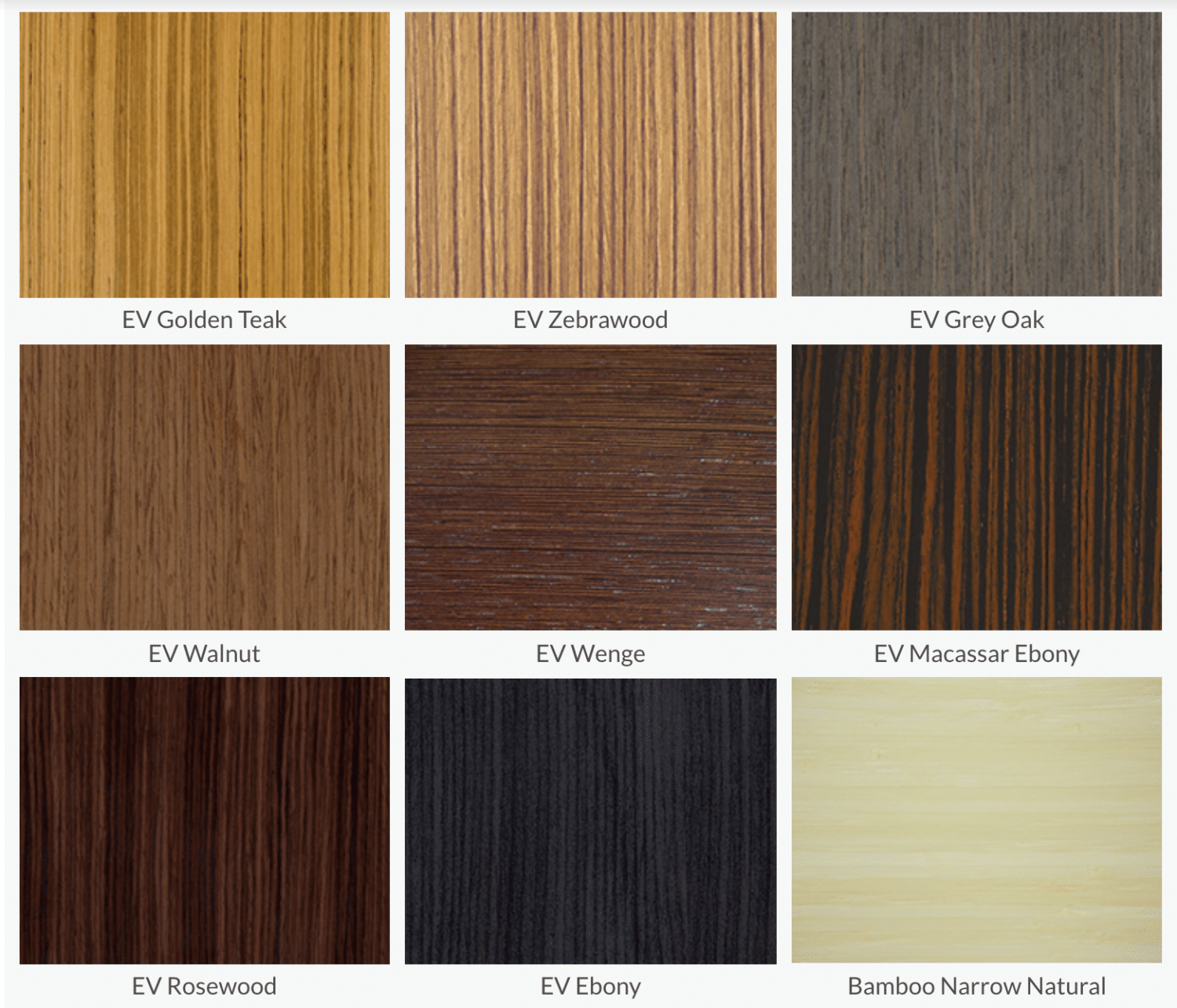
Fit and Finish: Where Quality Shows
Fit and finish refers to the manufacturing precision and surface quality of your cabinets — and these details matter more than most homeowners expect.
Finish Quality
Higher-end cabinet boxes and drawer interiors feature thicker finishes and smoother surfaces throughout. The dovetail joints are sanded smooth, so the inside of every drawer feels finished and refined. Lower-end cabinets use pre-finished materials that are slightly rougher to the touch. It doesn't affect how the cabinet functions, but it's immediately noticeable in a high-end kitchen where the details are part of the experience.
Dimensional Tolerance
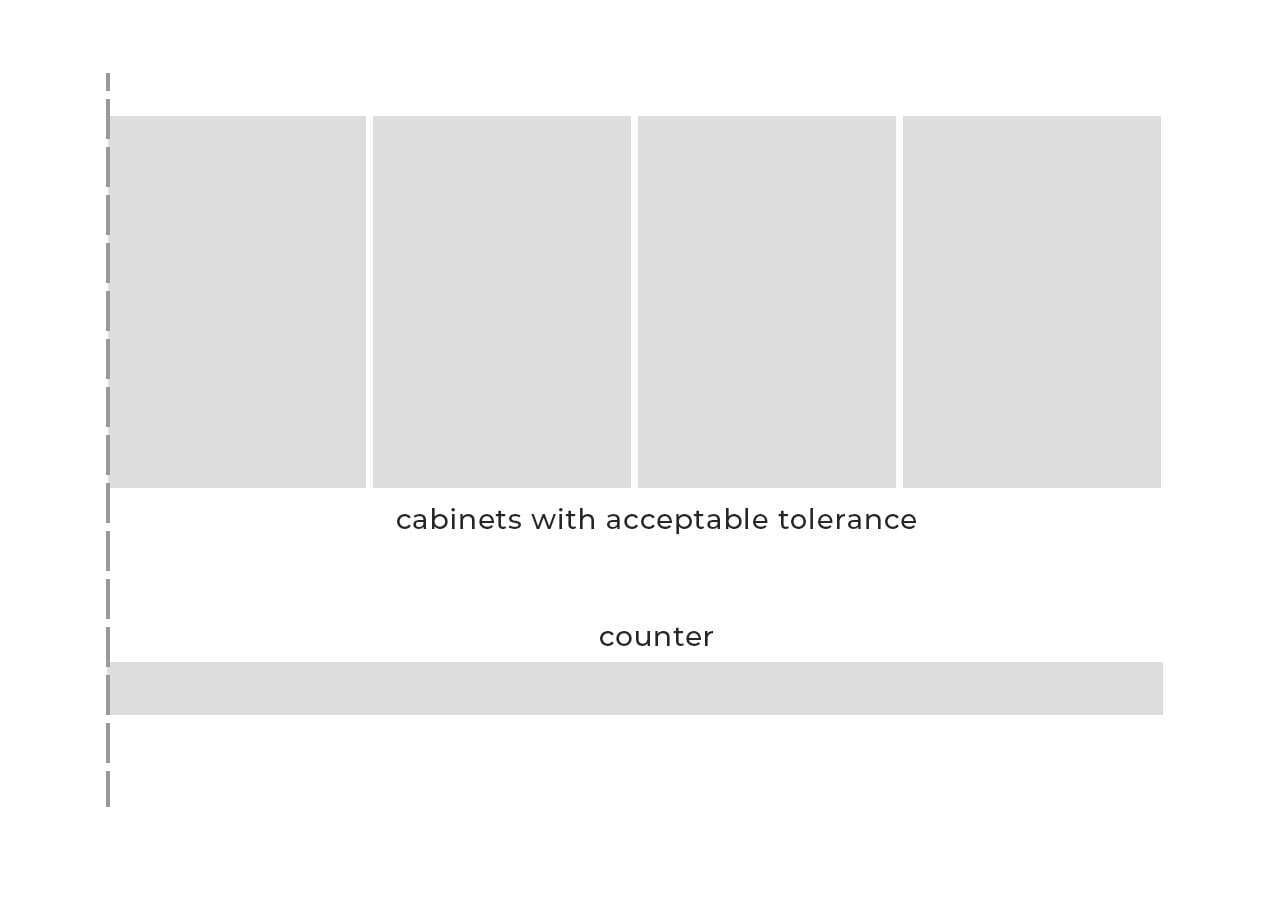
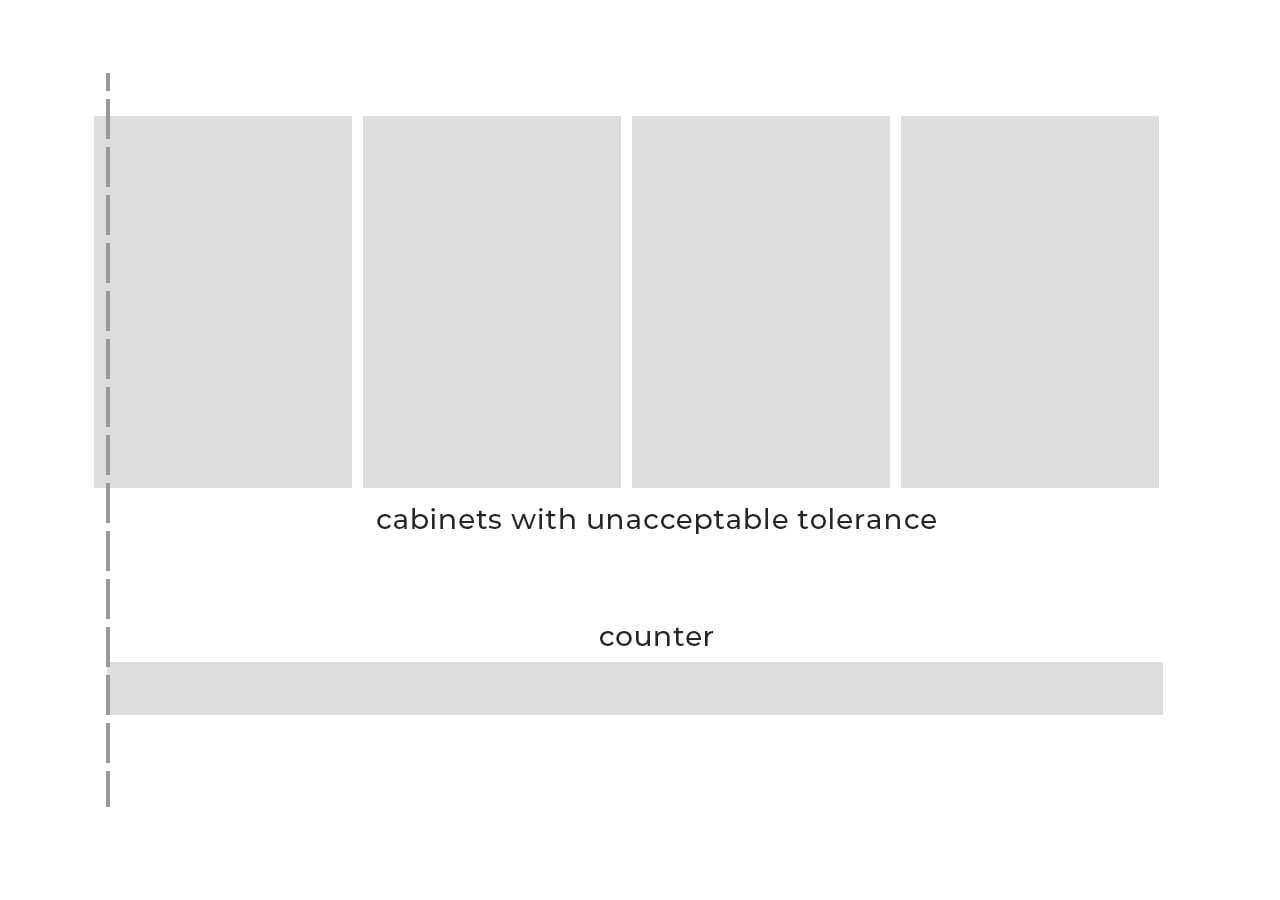
This is where fit becomes functional, not just cosmetic. Some manufacturers allow a dimensional tolerance — an allowable variance in measurement — of ±1/16″ per cabinet. That sounds small, but if you have 10 cabinets side by side and each one is 1/16″ wider than spec, the entire run may not fit the space as planned, or the alignment will look subtly off.
Quality manufacturers hold tolerances of ±1/32″ or tighter. For a large kitchen installation, that precision is the difference between a cabinet run that fits perfectly and one that requires workarounds on installation day.

Average Cost for Kitchen Cabinets: A Real World Example
So how do these factors play out in actual kitchen remodel scenario? Below are renderings of a kitchen remodel for one of our clients.
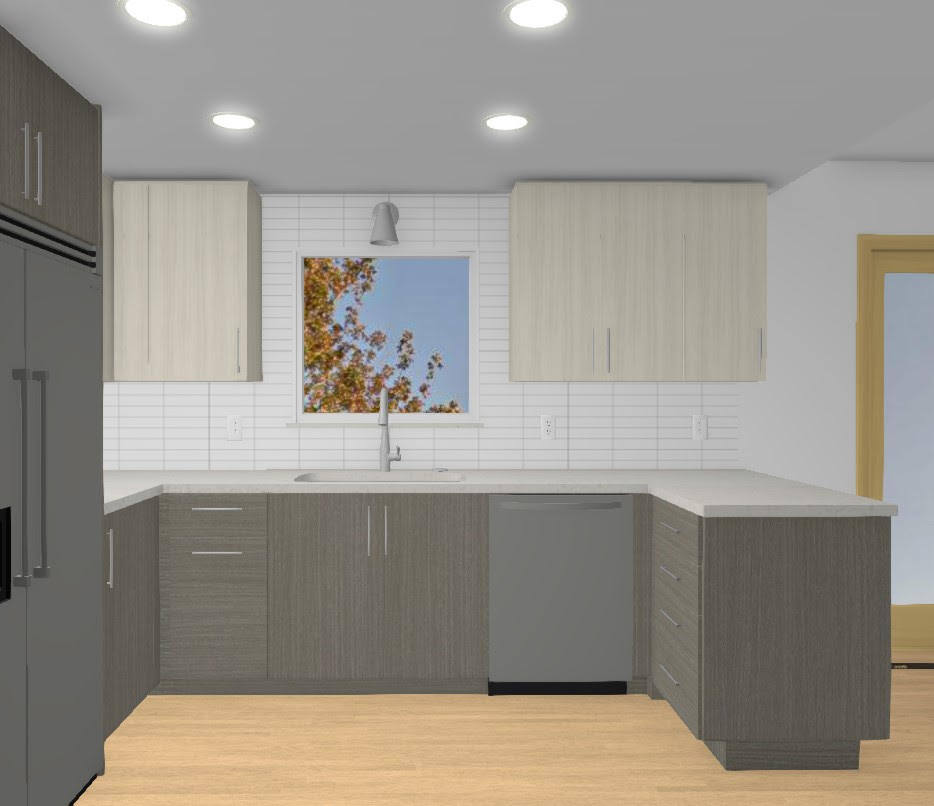
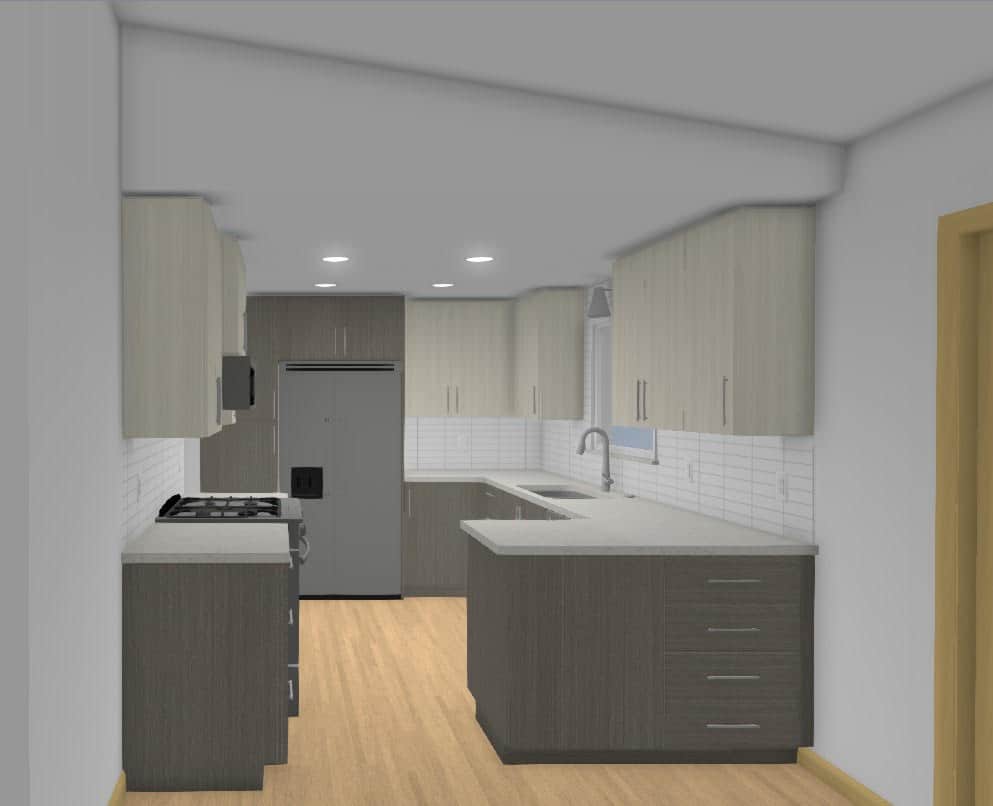
This space called for about 18 cabinets. A midrange laminate would run about $11,470, or about $635 per box.
A high end wood product with matching grain throughout the doors and drawers will cost about $30,000 for this space, or roughly $1,700 per box.
So that’s quite a big range. To calculate for your space, simply determine the number of cabinets you’ll need in your space and divide by your available cabinet budget. That will give an idea of what sort of quality and finish range you should aim for.
FAQ's: kitchen cabinet costs
Our Most frequently asked questions from homeowners about the costs of kitchen cabinets
How much do kitchen cabinets cost for an average kitchen?
For a kitchen requiring around 18 cabinet boxes, quality midrange laminate cabinets run approximately $11,470, while high-end wood cabinets with matched grain cost approximately $30,000. The difference reflects materials, manufacturing precision, and long-term durability.
Why do high-end wood cabinets cost so much more than laminate?
Wood cabinets use higher-quality materials (plywood boxes, solid wood interiors), tighter manufacturing tolerances, premium joinery like sanded dovetail drawers, and offer full customization in size, color, and finish. They also last significantly longer and can be refinished — making the per-year cost of ownership much closer to laminate than the upfront price suggests.
What drives the biggest price differences between cabinet quotes?
Material choice (laminate vs. wood), drawer box construction, soft-close hardware, finish quality, dimensional tolerance standards, and the degree of customization all contribute to price variation. Two quotes for "18 cabinets" can look very different depending on what's actually inside each box.
Is soft-close hardware worth the added cost?
Yes. The long-term protection to hinges, door faces, and drawer boxes far outweighs the upcharge, and the daily experience of a kitchen with soft-close hardware is noticeably better. It's standard on every quality remodel for good reason.
How long do high-end wood cabinets last?
Quality solid wood cabinets typically last between 20 and 50 years depending on usage, maintenance, and environment. According to the National Kitchen & Bath Association (NKBA), well-maintained high-end cabinets can last as long as the house itself. The ability to sand and refinish means they can be refreshed rather than replaced — a major advantage over laminate, which typically shows wear and needs replacement within 10–20 years.
How do I know if a cabinet manufacturer has good dimensional tolerances?
Ask directly. Reputable manufacturers will tell you their tolerance standard. Look for ±1/32″ or tighter, especially for large cabinet installations where small variances compound across a full run.
Ready to Plan Your Kitchen Remodel?
A successful kitchen remodel begins with a clear view of what is not working and what needs to change. Lamont Bros. Design & Construction brings design and construction together to address layout, storage, materials, appliances, budget, and construction details as one coordinated project.
Review our kitchen remodeling services or read about the kitchen remodel process. When you are ready to discuss your home, schedule a consultation with our team.
-1.jpg)