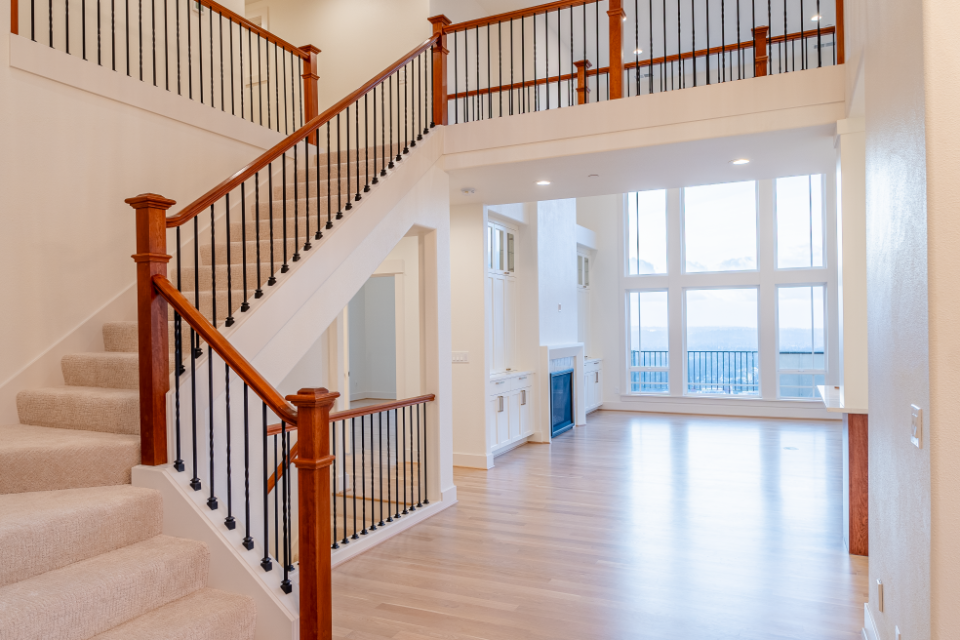
One Team for Design and Construction

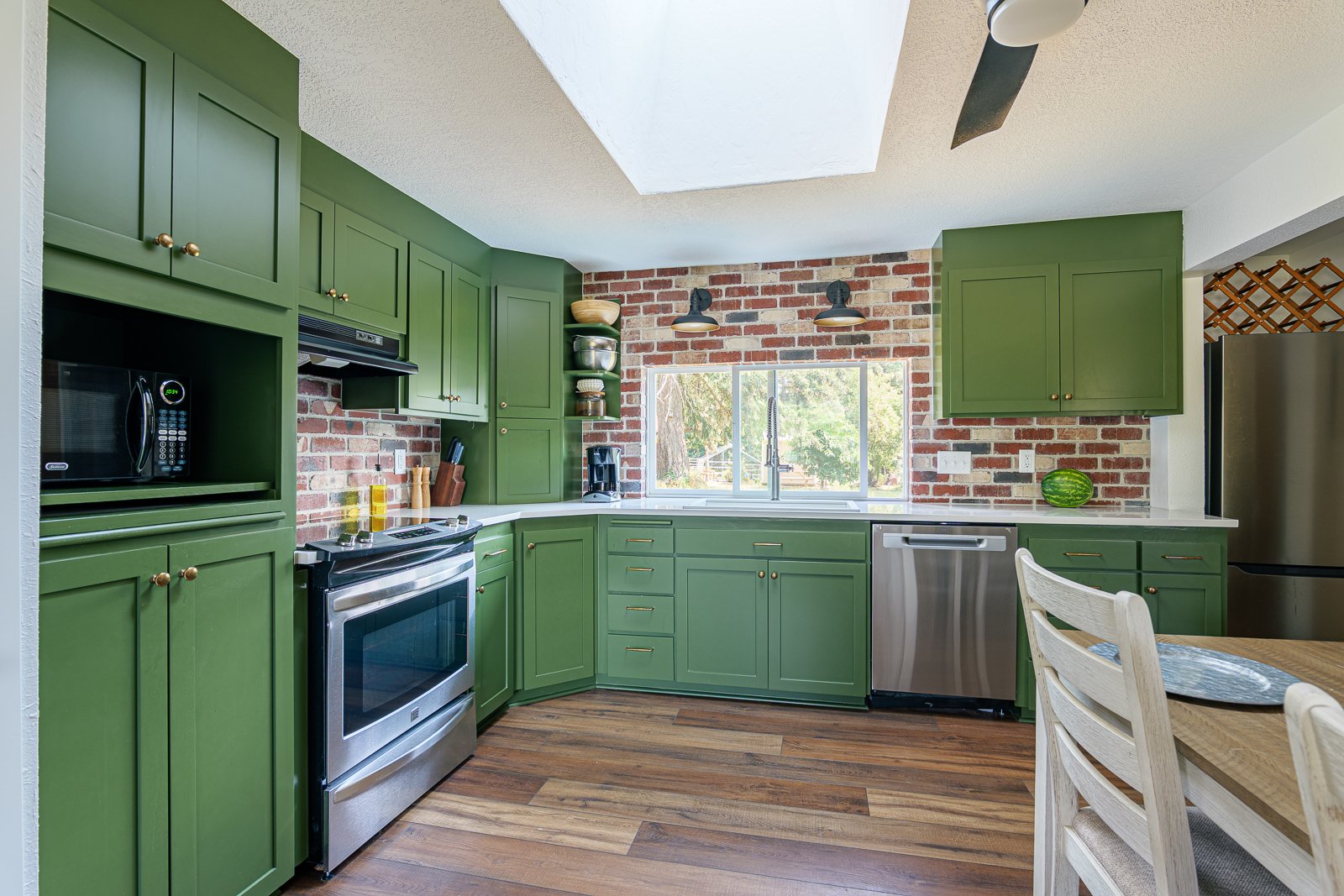
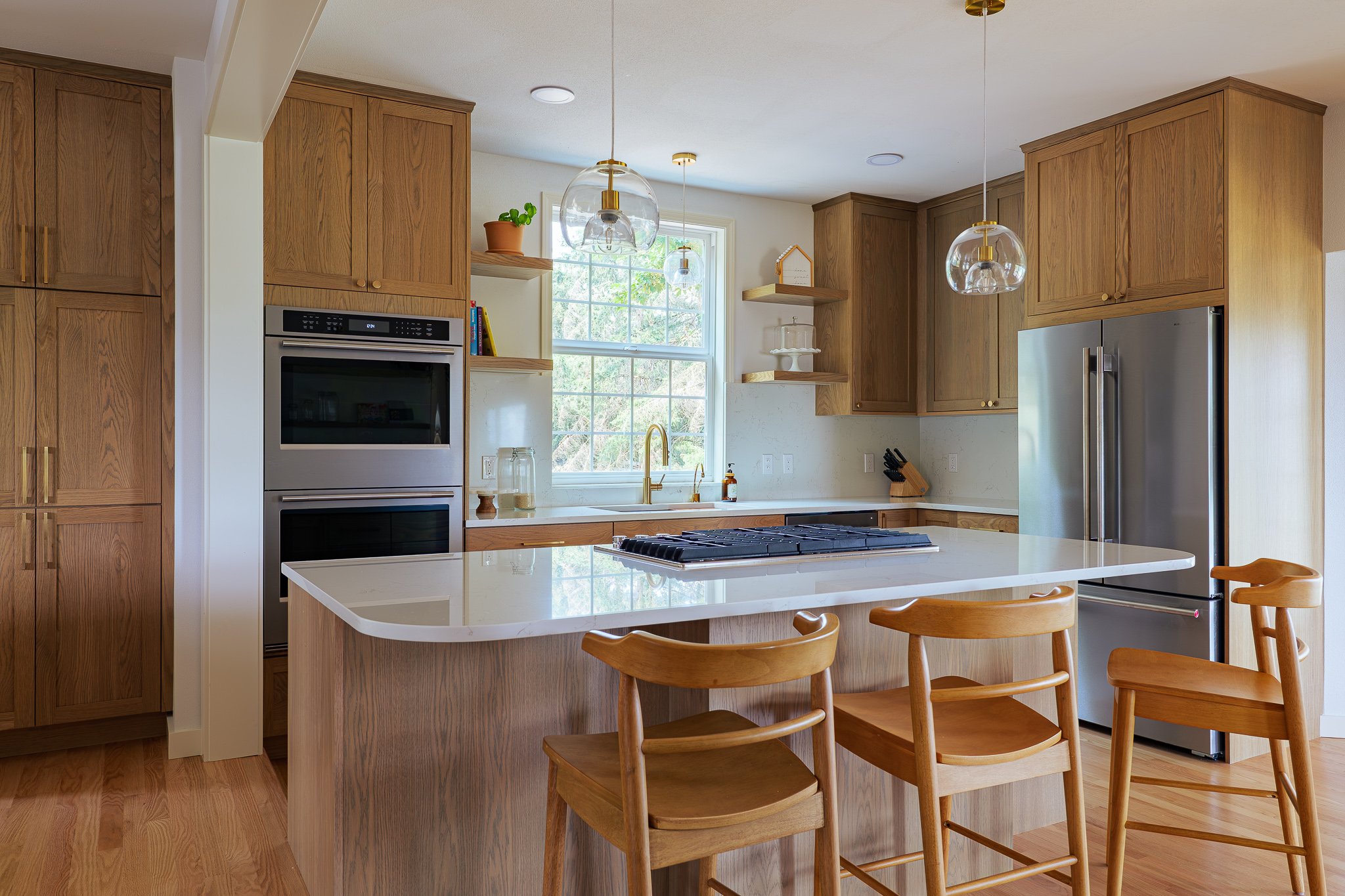
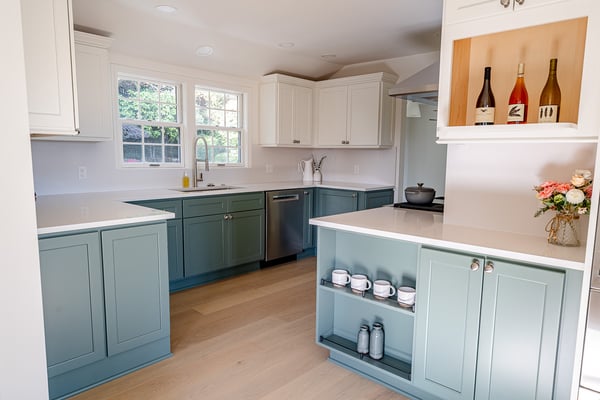
A water-damaged home often needs new flooring, cabinetry, and finishes in the same spaces, and that's exactly where reconstruction tends to go sideways if those decisions get made piecemeal. A flooring transition installed without a plan can look obviously mismatched. Cabinetry replaced in isolation can clash with everything around it. We manage design and construction as one process, so those choices are locked in before demolition starts rather than figured out room by room as the project moves along. Homeowners also work with one point of contact from the first insurance call through the final walkthrough, rather than coordinating a designer, a contractor, and an adjuster separately.


What Causes Major Water Damage

Most water damage severe enough to require full reconstruction comes from a short list of sources. Burst pipes are common during freeze events, especially where a section of plumbing was already weak or exposed. A failed sump pump or a storm event can flood a lower level before anyone catches it. Water heaters, washing machines, and dishwashers tend to leak slowly at first and then all at once, and by the time the leak is obvious, it's often been running for a while. Roof leaks and sprinkler malfunctions round out the list, and in nearly every case, the damage beneath the surface turns out to be worse than what's visible.

The Rebuild Process After Water Damage

Reconstruction begins once mitigation crews have finished drying the property and confirmed moisture levels are safe. From there, the first step is a structural evaluation to determine what can be saved and what has to come out, followed by demolition of any drywall, insulation, cabinetry, or flooring that absorbed too much moisture to keep. Framing and subfloor repair come next, along with any electrical, plumbing, or HVAC work needed to bring affected systems back to safe condition.

Once the structural side is handled, we rebuild the home in layers: new insulation and drywall first, then cabinetry, trim, and flooring chosen to match what was there before. A final walkthrough closes out the project before homeowners move back in.

When Water Damage Requires a Full Reconstruction

Not every leak needs a full rebuild, but damage that spreads past a single room or floor usually does. Larger water damage projects tend to involve water that traveled between levels through a ceiling or wall assembly, specialty flooring that has to be replaced as a full system rather than patched, and built-in cabinetry that absorbed enough water to need full replacement. Homes with radiant heating or other systems built into the floor add complexity, since those components often need evaluation and sometimes replacement alongside the structural repairs. Reconstruction costs on projects like this frequently exceed $100,000 once subfloor and framing work are included.

What We Manage Beyond Construction

A water damage rebuild involves more than the physical work, and it's usually the part homeowners feel least equipped to handle on their own. We manage permitting and code-compliant construction, and we build the documentation an insurance claim needs, including a detailed written scope, photographic records, and material specifications that reflect the home's pre-loss quality. We stay in direct contact with adjusters throughout the project so the rebuild reflects the home's actual condition rather than an initial estimate written before demolition began.

We also handle the finish details that determine whether a rebuilt space looks intentional or obviously repaired, including cabinetry, trim, and flooring that transitions cleanly between the new work and what remained undamaged.

Working with Insurance on a Water Damage Claim

Initial estimates for water damage are often based on standardized pricing that doesn't reflect premium materials, custom finishes, or the true condition of a structure once walls are opened. That gap shows up most in higher-value homes, and especially with flooding, where the visible waterline rarely tells the full story of what happened underneath.

Our documentation includes a room-by-room written scope, photographic evidence supporting that scope, and cost breakdowns based on the actual reconstruction requirements rather than a generic formula. We are not public adjusters, but we work directly with insurance representatives throughout the project to keep the claim grounded in the real extent of the damage.

How Long a Water Damage Rebuild Takes

Timelines depend on how far the water traveled, how much drying was needed before reconstruction could start, and how quickly permitting and insurance approvals move. A contained repair, such as a localized burst pipe, typically takes two to four months. Multi-room reconstruction usually falls between four and eight months, and larger rebuilds involving significant framing or subfloor replacement, often the case after a flood, can take six to twelve months or longer. Coordinating material selections early helps keep the project on schedule once construction begins.

Start Your Water Damage Restoration Today!

Whether the cause was a burst pipe, a flood, or a failed appliance, a water damage rebuild goes more smoothly with one team handling the structural work, the finish details, and the insurance documentation together. Lamont Bros. Design & Construction manages all of it as one process, so homeowners have a single team responsible for the outcome from the first assessment through the final walkthrough.

Flood Damage | Lamont Bros. Design & Construction

Frequently Asked Questions

Do you handle the drying and mitigation phase?

No. We focus on reconstruction after professional mitigation and drying are complete.

We coordinate closely with mitigation companies to ensure a smooth transition from stabilization to rebuilding. 

What does water damage restoration include?

Water damage restoration includes assessing structural damage, removing compromised materials, repairing framing and building systems, and rebuilding affected areas to return the home to pre-loss condition. It goes beyond drying and mitigation to complete reconstruction.

After moisture is addressed, damaged drywall, insulation, flooring, cabinetry, and structural framing may need repair or replacement. Electrical and plumbing systems are inspected and restored if impacted.

Full-service restoration contractors coordinate reconstruction, finishes, and insurance documentation to ensure the home is safely and properly rebuilt, not just dried out.


What should I do immediately after water damage occurs?

If it is safe, shut off the water source, turn off electricity to affected areas, remove valuables, and contact your insurance provider. Then schedule a professional inspection as soon as possible.

Avoid entering areas with standing water if electrical hazards may be present. Do not attempt to remove structural materials without guidance, as hidden moisture can remain inside walls and subflooring.

Quick action reduces secondary damage and helps protect both the structure and your insurance claim.


Can water damage cause mold?

Yes, mold can begin developing within 24 to 48 hours in damp conditions. Lingering moisture behind walls or under flooring creates an environment where mold can spread quickly.

If materials are not properly dried or replaced, hidden mold growth can compromise indoor air quality and structural integrity.

Professional restoration includes identifying moisture-prone areas, removing compromised materials when necessary, and rebuilding affected sections to reduce the risk of recurring issues.

What's the difference between water mitigation and water restoration?

Water mitigation focuses on stopping the source of water, extracting standing water, and drying affected materials to prevent further damage. Water restoration begins after mitigation and involves repairing and rebuilding damaged structural components.

Mitigation companies typically handle emergency response, moisture control, and stabilization. Restoration contractors manage reconstruction, including framing, drywall, flooring, cabinetry, and system repairs.

Larger losses often require both phases, but full restoration ensures the home is returned to its original condition rather than simply stabilized.

How long does water damage restoration take?

The timeline for water damage restoration depends on the severity of damage and the amount of reconstruction required. Minor repairs may take several days, while extensive structural rebuilding can take several weeks.

Projects involving framing, flooring replacement, cabinetry, or system repairs require careful coordination and inspections.

A detailed restoration plan outlines the expected timeline and sequencing so homeowners understand what to expect throughout the process.


How quickly should water damage be addressed?

Water damage should be addressed within 24 to 48 hours to reduce the risk of mold growth and structural deterioration. Immediate action helps minimize long-term repair costs and prevents damage from spreading.


Moisture trapped behind walls, under flooring, or inside insulation can weaken framing and create conditions for mold development within days.

Even small leaks can escalate quickly. Prompt professional assessment ensures affected materials are properly evaluated and that necessary repairs begin before secondary damage occurs.


What types of water damage require professional restoration?

Professional restoration is recommended for flooded basements, burst pipes, roof leaks affecting ceilings or framing, appliance overflows, sewage backups, and hidden water damage behind walls.

Any situation where structural materials, insulation, electrical systems, or subflooring have been exposed to moisture should be evaluated by an experienced contractor.

Even when surface damage appears minor, concealed moisture can lead to long-term structural issues if not properly addressed.

Does homeowners insurance cover water damage restoration?

 Most homeowners insurance policies cover sudden and accidental water damage, such as burst pipes or appliance failures. Coverage may not apply to long-term leaks, neglect, or flood-related damage without separate flood insurance.

Proper documentation is critical during the claims process. A restoration contractor can help assess the extent of structural damage, provide detailed repair estimates, and coordinate with insurance adjusters. Clear communication and thorough documentation help streamline approvals and reduce delays in reconstruction.

Learn more: Does Homeowner's Insurance Cover Renovations After Damage? 

Do water damage repairs require permits in Portland?

Structural repairs, subfloor replacement, electrical work, or plumbing modifications may require permits depending on scope and municipality. 

How much does water damage restoration cost?

The cost of water damage restoration depends on the extent of structural damage, the size of the affected area, and the materials involved. Minor repairs may cost a few thousand dollars, while extensive reconstruction can increase significantly based on scope.

Factors influencing cost include water category (clean, gray, or contaminated), how long moisture was present, and whether structural framing or mechanical systems were impacted.

An in-person inspection is necessary to provide an accurate estimate and determine the full scope of required repairs.

What if my home insurance payout doesn't cover full restoration?

Insurance estimates are almost always lower than they should be, often by as much as ten times lower than the work will prove to cost.

However, with detailed documentation and scope clarification, Lamont Bros. Design & Construction can provide assistance in increasing the final insurance payment to a more realistic and appropriate number.

Learn more: How Do Restoration Companies Work with Insurance?