Part of ensuring the health and safety of your kitchen is making sure it is properly ventilated. By doing so, your kitchen will be able to remove heat and smoke generated while you cook. However, it’s common for homeowners to encounter a few design problems when altering the airflow and ventilation of their kitchen.
At Lamont Bros. Design & Construction, we work with Portland homeowners every day to design and construct their dream kitchens. Throughout our years of kitchen remodeling, we’ve encountered several common airflow and ventilation problems during our projects. Having handled dozens of kitchen airflow systems, we’ve seen firsthand how difficult it can be to properly ventilate your kitchen.
In this article, we’ll discuss some of the most common kitchen airflow and ventilation problems and what you can do to solve them. Whether you’re an avid home chef or simply want to ensure a safe and comfortable kitchen environment, this article will equip you with the knowledge to make the right choices for your kitchen’s ventilation systems. The 4 challenges we will cover include:
Key Points
-
Proper kitchen ventilation protects both health and the home itself. Beyond removing cooking odors, a well-designed ventilation system eliminates heat, moisture, grease, and potential toxins like carbon monoxide that can damage cabinetry, stain walls, promote mold growth, and create serious respiratory risks over time.
-
Four common ventilation problems have practical solutions. Downdraft systems should be replaced with overhead range hoods for better smoke capture, noisy hood fans can be quieted by relocating the fan motor into the duct system, depressurization from high-powered hoods requires a makeup air system for any hood moving more than 400 CFM, and fixed-pane windows should be replaced with operable ones to allow cross-ventilation when needed.
-
Regular maintenance and proper sizing are just as important as the system you choose. A ducted range hood vented directly to the exterior is the most effective ventilation option, but it only performs well when properly sized to the cooktop and cleaned every three to six months. Neglecting filter maintenance reduces air quality, strains the system, and increases the risk of a grease fire.

What is Kitchen Ventilation and Why Does it Matter?
In essence, kitchen ventilation is not just about comfort; it’s an integral component of maintaining a healthy living environment. When planning your kitchen remodel, it’s crucial to consider these aspects and integrate an effective ventilation solution.
The Rise of Heat and Smoke
One of the most fundamental aspects of cooking is the production of heat and smoke. The natural tendency of steam and smoke is to rise upwards. Lack of proper ventilation can lead to heat and smoke accumulation, which can negatively impact the safety of your cooking space.
Heat can make your kitchen uncomfortable, while smoke can cause respiratory issues and create a lingering smell that affects the overall freshness of your home. In fact, long-term exposure to smoke can even stain your cabinets and the paint on your walls.
An effective ventilation system removes hot air and smoke from the kitchen and directs it out of the home so that it does not collect and linger inside the living space.
Managing Aromas and Spices
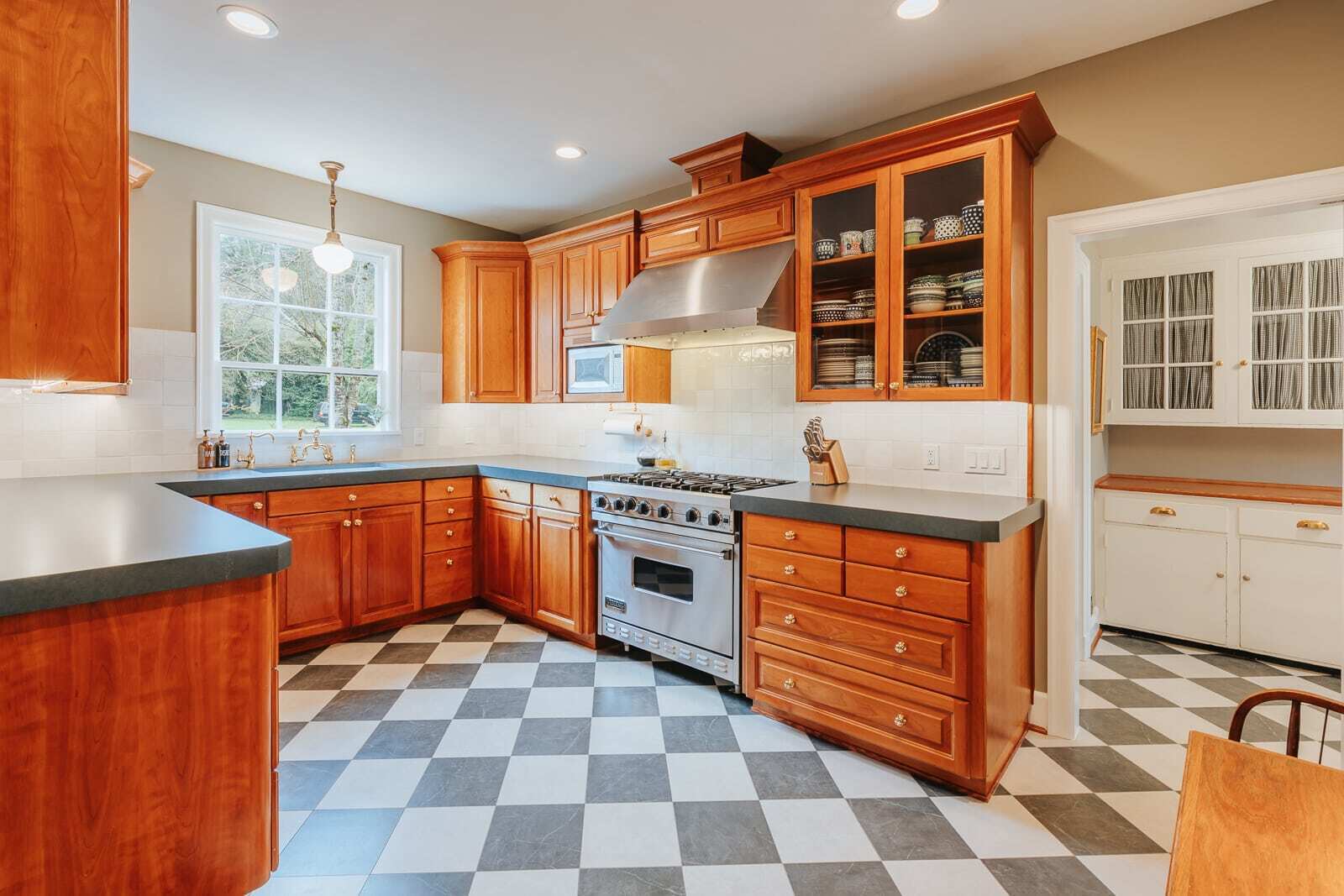
Many cuisines, particularly fragrant ones with strong spices, release potent aromas when cooked. While these scents can be enticing during the cooking process, they can also linger and become overpowering if not effectively vented. A proper ventilation system ensures that your home retains a pleasant and fresh aroma without being overpowered by the meal you’ve just prepared.
Health and Hygiene Considerations
A kitchen hosts multiple water sources including sinks, dishwashers, and refrigerators. Ensuring adequate airflow can help prevent dampness, mold, and mildew, which can pose serious health risks.
Furthermore, proper ventilation helps to expel potential toxins and carbon monoxide that can accumulate from cooking appliances, thereby ensuring a safer kitchen environment.
Section 3: Problems for Effective Kitchen Airflow and Ventilation
Every homeowner dreams of a well-functioning kitchen that not only serves their cooking needs but also ensures the safety and comfort of its occupants. Yet, achieving optimal kitchen ventilation isn’t always straightforward. Here, we’ll discuss the specific ventilation and airflow problems your kitchen might face and how to address them.
Downdraft Systems
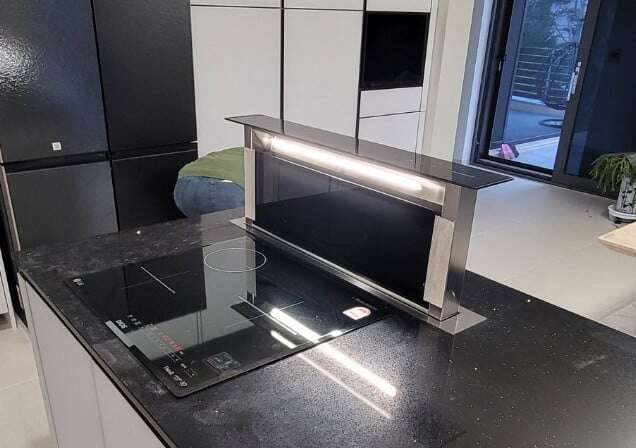
Downdraft systems, once a popular choice in the 80s and 90s, have since been deemed ineffective in many modern kitchen settings.
These ventilation systems pull the air downwards, which goes against the natural tendency of smoke and heat to rise. As a result, they often fail to capture all the contaminants, leaving more heat, smoke, and contaminants in the air than an overhead hood.
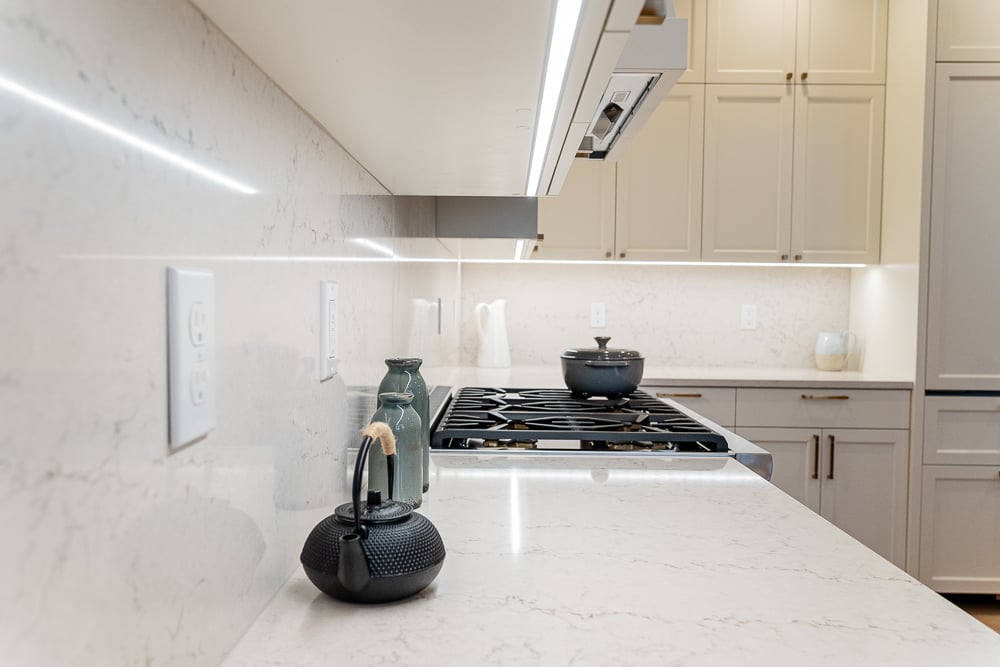
While they might seem like a sleek solution due to their flush design with the countertop, their practicality in terms of airflow efficiency is questionable at best. When possible, downdraft systems should be replaced with an overhead range hood to ensure complete ventilation.
If you’re looking for a ventilation system with a sleek, inconspicuous appearance, consider a flush-mounted ceiling range hood. These cleverly engineered systems work well to ventilate the kitchen without posing a large visual presence.
Hood Fan Noise
The sound of a noisy kitchen vent can be frustrating when trying to use your kitchen. Loud vent fans can disrupt conversations in the kitchen, and sometimes the noise can motivate people to stop using their range hood altogether, which is a dangerous practice.
The issue with noisy hood vent fans is that they are often built directly into the hood unit that sits within the kitchen. As a result, the noise it produces is directly within earshot of anyone in the kitchen. However, some hood manufacturers, such as Vent-A-Hood, make vents with their fan built into the duct system rather than the overhead hood. This allows you to embed the noisy fan into the wall, which allows for some sound isolation and reduces the noisiness of the hood.
How to Clean Kitchen Ventilation Fan
Cleaning your kitchen ventilation fan is one of those tasks that is easy to overlook until the grease buildup starts affecting how well your kitchen breathes. The good news is that it does not require any special tools or products. Start by cutting the power to the fan before doing anything else. From there, remove the filter and give it a long soak in your sink with hot water and a good degreasing dish soap. Let it sit for at least 15 to 20 minutes to break down the grease, then scrub it clean, rinse it well, and set it aside to fully air dry before putting it back. While the filter is soaking, take a damp cloth with a little dish soap and wipe down the fan blades and the interior housing. A small brush works well for getting into the tighter spots around the blades and edges.
How often you clean it really comes down to how much cooking you do. For most households, every three to six months is a reasonable cadence. If you are someone who cooks daily or does a lot of frying and sauteing, leaning toward the three month mark will keep things running efficiently. One thing worth noting is that charcoal filters, unlike mesh or baffle filters, cannot be cleaned and simply need to be swapped out when they stop performing. Keeping up with this small maintenance habit not only improves air quality in your kitchen but also reduces the risk of a grease fire, which is something we see the aftermath of more often than most homeowners would expect.
Depressurization
Having a large cooking range means you’ll probably also want a range hood. However, moving large amounts of air can lead to significant depressurization in the kitchen.
This means that more air is being exhausted than is being replaced, creating a negative-pressure environment. This can lead to a range of issues, including back-drafting from combustion appliances, which can be dangerous.
Legally, a kitchen with a range hood that moves more than 400 cubic feet of air per minute must have a makeup air system. This self-contained unit is calibrated to the range hood and supplies air to the kitchen at the same rate of flow that the hood is venting air from the home. Makeup air systems prevent your kitchen from becoming a negative pressure zone. They’re also climate controlled with heat and air conditioning, so you won’t have to worry about it interfering with your heating or cooling systems.
4. Fixed-Pane Windows
Fixed-pane windows can severely limit natural airflow in a kitchen because they don’t open. Let’s say somebody burns popcorn in the microwave and you want to get rid of the smell. One of the fastest ways to do this is to open a window and allow cross-ventilation to remove the stink of burned popcorn.
A kitchen remodel is a great time to upgrade your windows to ones that can open when you need. This is especially important in a kitchen, where you should be able to easily air out the space at a moment’s notice.
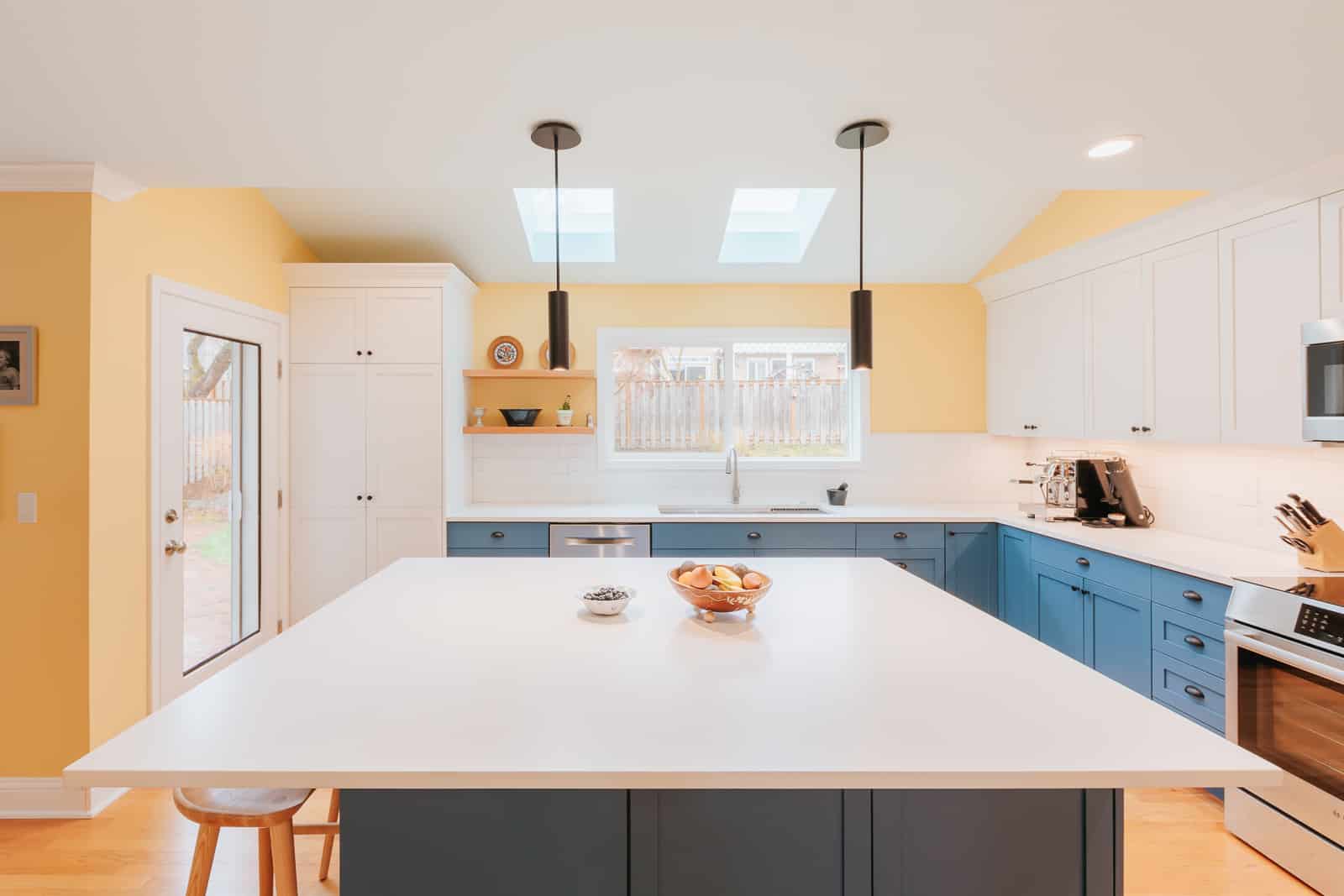 Windows that can open are an important feature to include in your kitchen.

FAQ's: Ventilation in Kitchen
Here are some of our most frequently asked questions from homeowners about kitchen ventilation during kitchen remodels:
What is the best ventilation for a kitchen?
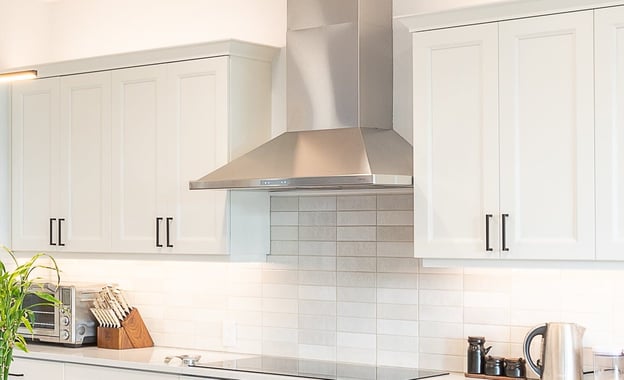
A ducted range hood is widely considered the best ventilation option for a kitchen. Unlike ductless or recirculating models, a ducted hood pulls grease, smoke, and moisture completely out of the home rather than filtering and recirculating the air back into the room. For serious home cooks, a hood that is properly sized to your cooktop and vented directly to the exterior of the home will give you the best performance. That said, the best option also depends on your kitchen's layout and whether exterior venting is feasible in your space.
What is the air vent in the kitchen called?
The ventilation system above your stove is most commonly called a range hood, though you may also hear it referred to as an exhaust hood, vent hood, or kitchen hood. The filter inside the hood that traps grease particles is called a baffle filter or mesh filter depending on the style. If your system filters and returns air back into the kitchen rather than venting it outside, it is referred to as a recirculating or ductless hood.
Do I need an air vent in my kitchen?
In most cases, yes. Proper kitchen ventilation removes heat, moisture, grease, and cooking odors from the air, all of which can cause long-term damage to your cabinetry, walls, and ceiling if left unchecked. While there is no single national building code that universally requires kitchen ventilation, many state and local codes do, and the International Residential Code sets airflow standards for kitchens at 100 CFM if ventilation is installed. Requirements vary by location, so it is always worth checking with your contractor during a remodel. If a range hood is not feasible for your layout, an over-the-range microwave with a built-in ventilation system or a ceiling exhaust fan can serve as alternatives, though neither performs quite as well as a dedicated range hood.
How to circulate air in a kitchen?
The most effective way to circulate air in a kitchen is to run your range hood every time you cook, even for lighter meals. Opening a nearby window while the hood is running creates a cross-ventilation effect that helps move fresh air through the space more efficiently. If your kitchen does not have a range hood, a ceiling fan or portable air purifier can help keep air moving, though they are not a substitute for true ventilation. During a kitchen remodel, it is also worth discussing with your contractor whether adding or upgrading your ventilation system is a practical option, as it can make a significant difference in both comfort and air quality long term.
Want to Talk to a Professional About Your Kitchen Remodel?
Now that you understand more about some of the common kitchen ventilation and airflow problems, take the next step in your kitchen remodeling research. To help you prepare for the kitchen remodeling process, download our free Kitchen Remodel Buyer’s Guide. This helpful resource will walk you through everything you need to know about kitchen remodeling before you begin.
Think you’re ready to speak with a professional remodel designer? If so, click the link below to schedule a free design consultation for your next kitchen remodeling project with a member of our team. We’ll guide you through the remodeling process so you don’t have to face the challenges alone. Let us help you turn your current kitchen into the kitchen of your dreams.
-1.jpg)