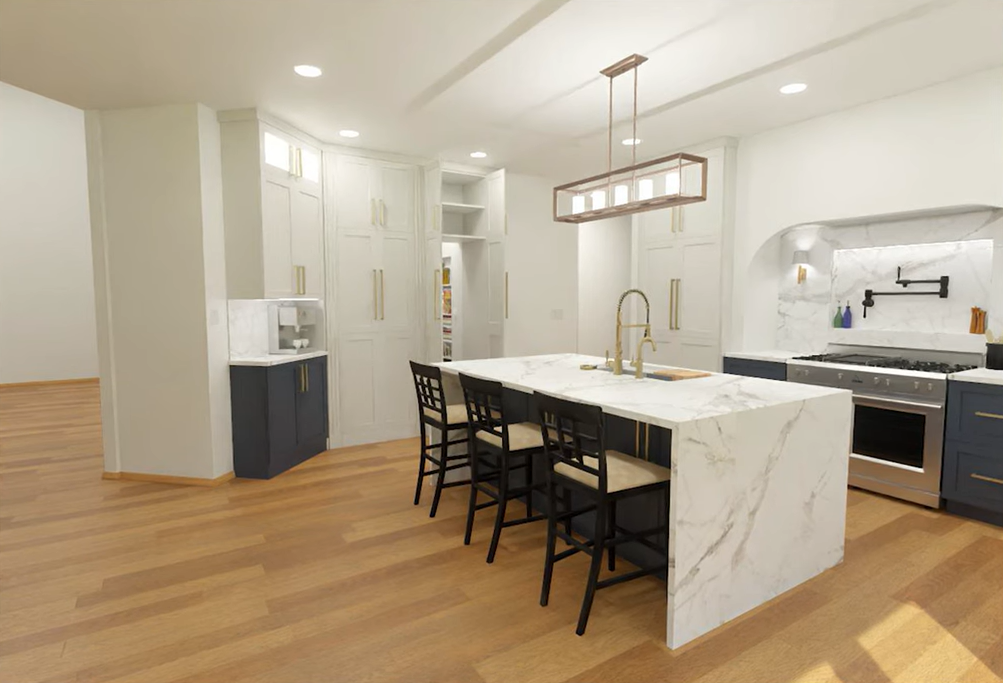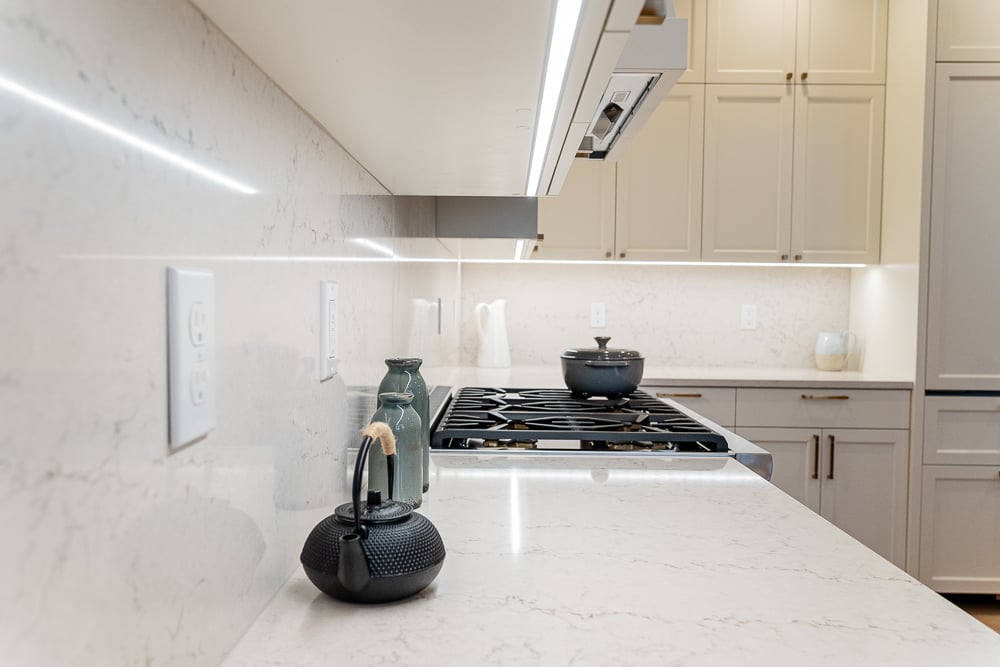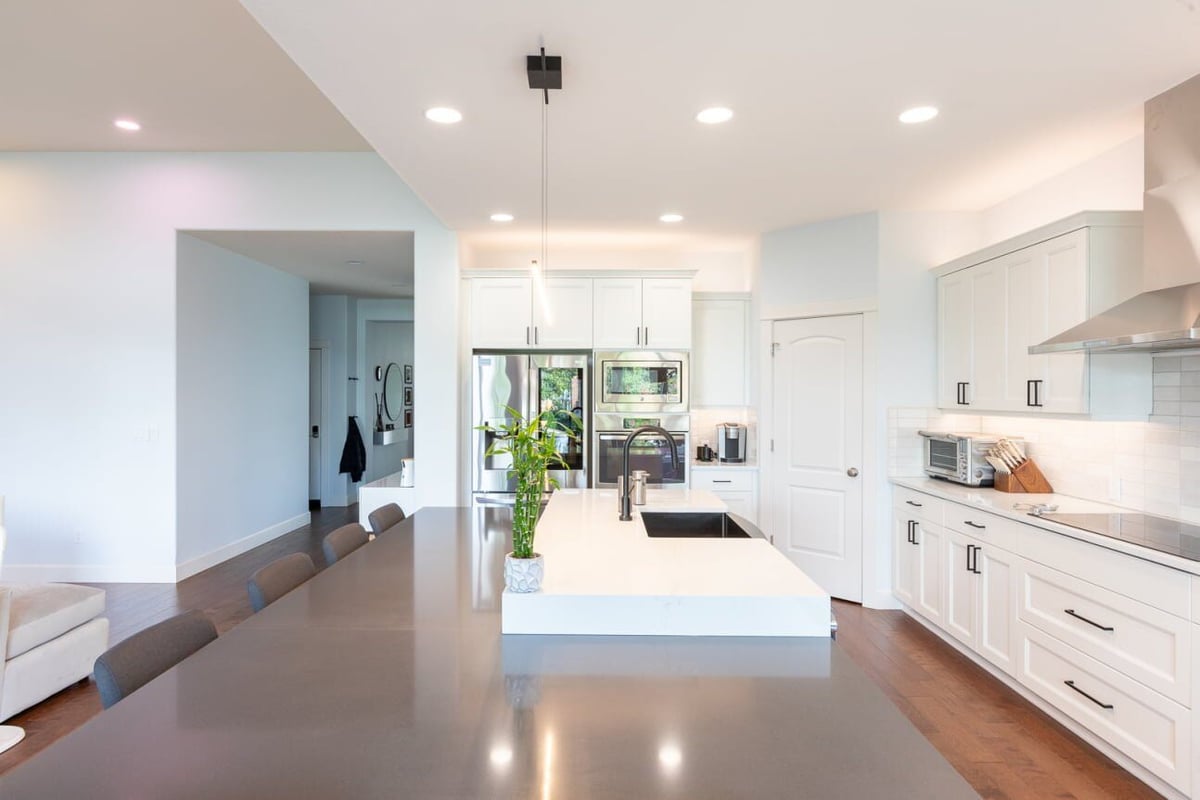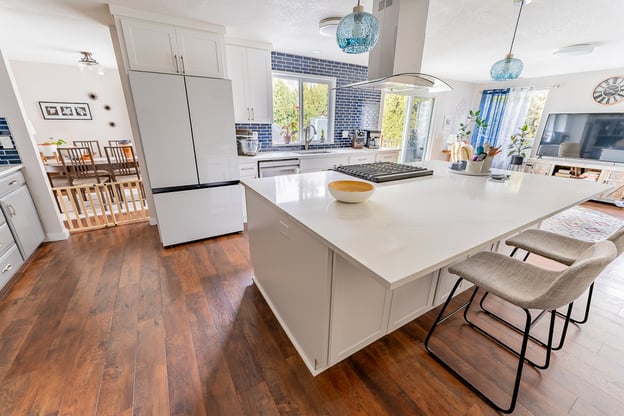
Solid hardwood floors can work in a kitchen. Whether they are the right fit for your specific kitchen depends on how the space gets used, how much traffic it sees, and how consistently you stay on top of cleaning and upkeep.
The central tradeoff is straightforward: hardwood brings warmth, depth, and character to a kitchen that no other flooring material fully replicates, but it is more sensitive to moisture and daily wear than tile or synthetic alternatives. Kitchens test floors harder than almost any other room in the home. Spills are routine, humidity fluctuates, and foot traffic is constant.
Key Points
-
Wood floors belong in kitchens, but only if the household is ready for them. Hardwood delivers a timeless, natural look that tile and vinyl cannot match, and it flows beautifully through open-concept spaces. But kitchens are demanding environments, and the floor's long-term performance depends heavily on daily habits, the right species selection, and a commitment to upkeep.
-
Water is hardwood's greatest enemy in the kitchen. Spills, appliance leaks, and seasonal humidity changes all put pressure on wood floors in ways other rooms simply do not.
-
Choosing the right species and finish is the foundation of a durable kitchen floor. Harder domestic species like white oak, maple, and hickory handle the punishment of daily kitchen use far better than softer alternatives. A tough, low-sheen factory finish adds another layer of defense against the scratches and scuffs that accumulate in any active kitchen.
Are Wood Floors Good for Kitchens?
Yes, solid hardwood floors can perform well in kitchens, but success depends on realistic expectations and day-to-day habits. A hardwood kitchen floor in a busy household that sees heavy cooking, young children, or frequent wet conditions near the sink will require more active maintenance than the same floor in a quieter space.
Performance comes down to three factors: the species and finish you choose, how your household uses the kitchen, and how committed you are to regular maintenance. Homeowners who wipe up spills before they sit, use mats in high-moisture zones, and refinish the floor when the surface shows wear tend to get excellent long-term results from hardwood in their kitchens.
Frame the decision around your lifestyle rather than appearance alone. Hardwood floors can look exceptional in a kitchen. Whether they are practical in yours is a different question.
Why Homeowners Choose Wood Floors in the Kitchen
Despite the care they require, solid hardwood floors remain a sought-after kitchen choice for several reasons.
Natural Warmth and Character
The grain patterns, natural color variation, and texture of solid hardwood bring a depth and authenticity to a kitchen that synthetic materials cannot fully capture. Every plank is slightly different, which gives the floor a visual richness that improves with age.
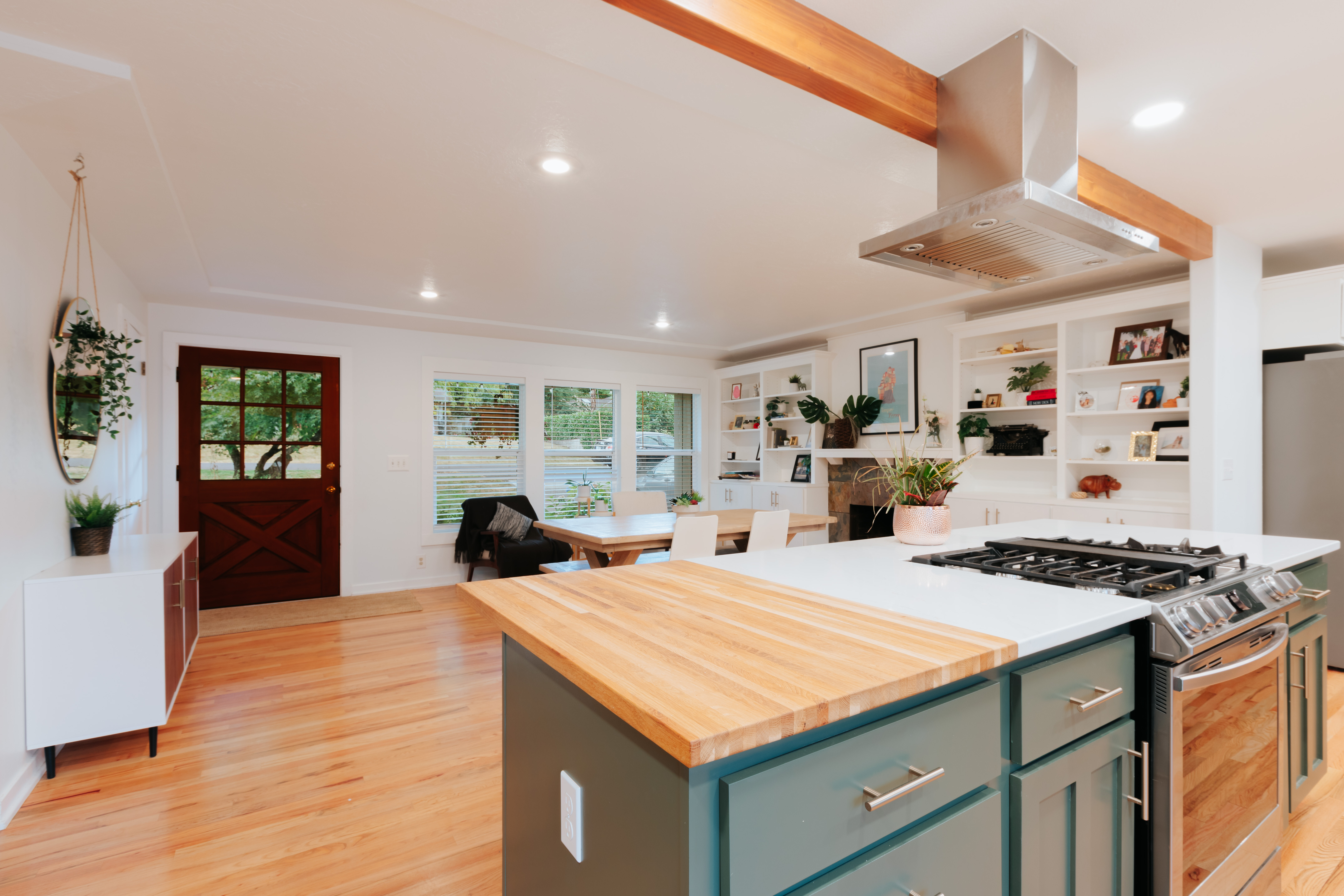
Cohesive Look with Adjacent Living Spaces
In open-concept homes, running the same hardwood floor through the kitchen, dining area, and living room creates a visual continuity that makes the entire space feel unified and larger. Interrupting that flow with a different flooring material can break the design logic that makes open layouts work.
Softer, Warmer Feel Underfoot
Standing at the counter for an extended cooking session feels meaningfully different on hardwood than on ceramic tile. Wood has natural give and warmth underfoot that tile simply does not, and that comfort becomes noticeable during prolonged periods of time spent in the kitchen.
Timeless Design Appeal
Solid hardwood floors have appeared in kitchens across generations of American homes and continue to suit a wide range of design styles. Their staying power as a design choice means they are unlikely to look dated in the way trend-driven materials can.
Wood Floors in Kitchen: Pros and Cons
Pros of Hardwood Floors in Kitchens
- Warm, natural appearance that brings authentic character no manufactured product fully matches
- Seamless visual flow in open-concept homes where design continuity from room to room matters
- More comfortable underfoot than tile during extended time in the kitchen
- Solid hardwood can be sanded and refinished multiple times, giving the floor a second life without full replacement
- Real wood floors continue to be a valued feature for homebuyers and can support resale appeal when well maintained
- Sensitive to standing water and moisture, particularly around sinks, dishwashers, and appliances
- Prone to scratching, denting, and staining under heavy daily use without proper protection
- Spills need to be cleaned up promptly before they can penetrate the finish or work into seams
- Requires more consistent upkeep than tile or luxury vinyl alternatives
- Not appropriate for every kitchen environment, particularly spaces with persistent moisture or very heavy traffic
Cons of Hardwood Floors in Kitchens
- Sensitive to standing water and moisture, particularly around sinks, dishwashers, and appliances
- Prone to scratching, denting, and staining under heavy daily use without proper protection
- Spills need to be cleaned up promptly before they can penetrate the finish or work into seams
- Requires more consistent upkeep than tile or luxury vinyl alternatives
- Not appropriate for every kitchen environment, particularly spaces with persistent moisture or very heavy traffic
What Are the Biggest Risks of Wood Floors in Kitchens?
The biggest risks of wood floors in kitchens are water and moisture damage, scratching and denting from heavy foot traffic, and warping from humidity swings.
Everyday Spills
Cooking consistently involves water, oils, sauces, and other liquids. A spill cleaned up in seconds causes no harm. Spills that sit for minutes or longer, or floors that are routinely wet without being dried, will deteriorate faster than the same floor in a drier environment.
Appliance Leaks
Refrigerators, dishwashers, and ice makers can develop slow leaks that go undetected for days or weeks. Even a minor sustained leak can cause substantial damage to solid hardwood over time, including warping, cupping, and discoloration that may require board replacement rather than simple refinishing.
Water Around Sinks and Dishwashers
The zone directly around the kitchen sink and in front of the dishwasher is the highest-risk area in any kitchen for hardwood floors. Routine splashing during washing and overflow during dishwasher loading and unloading expose this area to repeated moisture contact that adds up over time.
Humidity Swings and Seasonal Movement
Solid hardwood expands and contracts as indoor humidity levels change. In kitchens where steam from cooking, open windows, or seasonal climate shifts create significant humidity variation, this movement can cause gaps between boards, cupping, or surface distortion over time.
Heavy Traffic and Dropped Objects
Kitchens see more dropped pots, utensils, and hard objects than most rooms in the home. Harder species absorb this punishment better than softer ones, but no solid hardwood floor is completely immune to denting from a heavy or sharp impact.
Chair and Stool Wear in Eating Areas
In kitchens with islands or breakfast bars, bar stools pushed back and forth repeatedly create concentrated wear patterns. Without felt pads maintained in good condition, this repetitive friction produces visible scratching and finish wear faster than standard foot traffic.
Best Hardwood Flooring Options for Kitchens
Solid hardwood performs best in kitchens. You’ll want to look for narrower planks, generally three to four inches wide, and quarter-sawn and rift-sawn cuts, which will hold up best to the moisture and humidity of the kitchen environment. Here are some of our top choices:
Oak Hardwood Floors
Oak is the most widely installed species in American kitchens because it balances hardness, broad availability, and a grain pattern that absorbs minor scratches and dents visually better than cleaner-grained woods. White oak, with a Janka hardness rating of around 1,290, is the more stable of the two oak varieties and handles moisture fluctuations slightly better than red oak.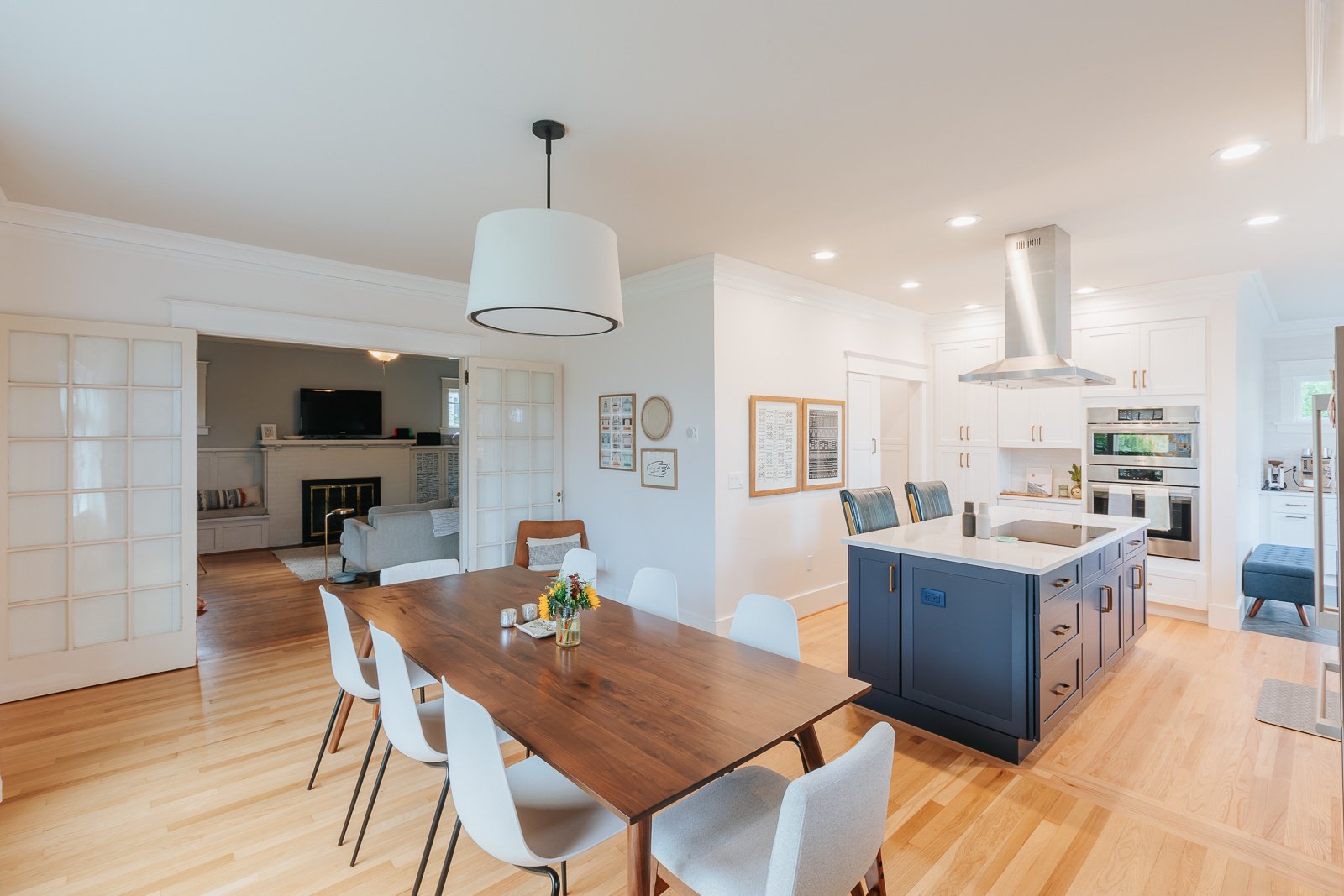
Maple Hardwood Floors
Maple rates around 1,450 on the Janka hardness scale, making it one of the harder domestic wood species and a strong choice for high-traffic areas like kitchens, hallways, and living rooms. Its tight, consistent grain and naturally light color give it a clean, uniform look that works well in both contemporary and transitional interiors. Because maple is less porous than open-grain woods like oak or ash, it takes stain less predictably, so it's most commonly finished in its natural state or with light stains that complement its tone. That same density makes it highly resistant to dents and scratches over time, which is part of why it's long been a go-to material for commercial spaces and busy family homes alike.
Hickory Hardwood Floors
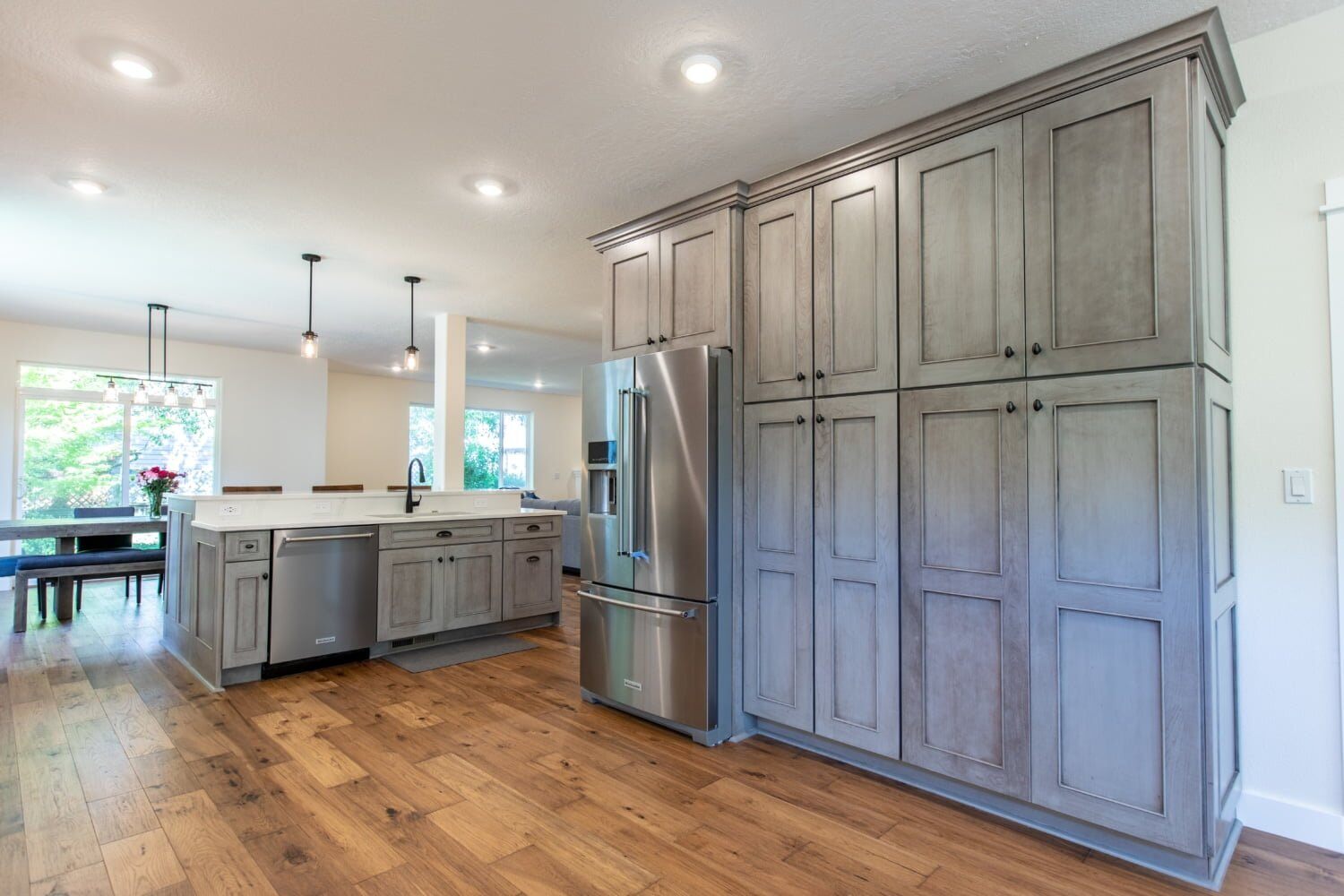
Hickory is among the hardest domestic species available at approximately 1,820 and provides outstanding durability for high-traffic kitchens, though its dramatic grain variation suits some design aesthetics more than others.
Best Finish for Hardwood Flooring
Pre-finished solid hardwood arrives from the mill with multiple factory-applied finish coats already cured under UV light, which produces a harder and more moisture-resistant surface than most finishes applied on-site. For kitchen floors, the durability advantage of pre-finished products over site-finished floors is a practical reason to consider them. Aluminum oxide finishes provide the best scratch and wear resistance and are the standard on quality pre-finished solid hardwood products.
For site-finished floors, water-based polyurethane cures harder and faster than oil-based formulas and performs well in kitchen conditions. Adding an extra topcoat beyond the standard application is a worthwhile investment on a kitchen floor. The additional layer of protection extends the time between full refinishing cycles, which saves both money and disruption in the long run.
Matte and satin sheens are more practical for kitchens than high-gloss finishes. High-gloss surfaces reveal every scuff, smudge, and fine scratch immediately. Lower sheens are more forgiving of the small imperfections that accumulate in any active kitchen, which means the floor holds its appearance through normal daily use without constant attention.
How to Protect Wood Floors in a Kitchen
With the right protective habits consistently in place, solid hardwood kitchen floors hold up well for many years.
- Clean spills immediately. Even a small amount of liquid left sitting can work its way into finish cracks or board seams and cause damage over time.
- Place mats directly in front of the sink, dishwasher, and stove. These zones see the most moisture contact and deserve dedicated protection.
- Add felt pads to all chairs and stool legs and check them regularly. Once pads flatten or collect embedded grit, they stop protecting and start scratching.
- Inspect appliances for slow leaks on a regular schedule, particularly the refrigerator, dishwasher, and any under-sink plumbing connections.
- Manage indoor humidity where possible. A humidifier during dry winter months and proper ventilation during humid summers reduces the seasonal movement that stresses hardwood over time.
- Schedule a surface recoat before the finish shows significant wear. Refreshing the topcoat at the right time avoids the deeper scratching that requires a full sand-and-refinish later.
Alternatives to Wood Floors in the Kitchen
For homeowners who want the warmth and visual character of wood in their kitchen but are not prepared to accept the maintenance commitment or moisture vulnerability of solid hardwood, three alternatives deserve thoughtful consideration.
Wood-Look Tile
Contemporary wood-look tile has become remarkably convincing, with large-format planks that replicate wood grain patterns, color variation, and surface texture with considerable accuracy. Tile is fully waterproof, highly resistant to scratching and heavy wear, and demands minimal maintenance. The practical tradeoffs are that it is harder and colder underfoot than wood, and grout lines require separate cleaning attention. For kitchens where moisture exposure is a consistent concern and durability is the overriding priority, tile offers advantages that no wood floor can match.
Engineered Hardwood
Engineered hardwood is worth considering for homeowners who love the look of real wood but want more flexibility in where and how it is installed. Like solid hardwood, engineered hardwood has a genuine wood surface, so it delivers the same warmth and character you would expect from a wood floor. The difference is in the construction: engineered hardwood is built with a layered core that makes it more dimensionally stable and better suited to spaces where solid hardwood can struggle, such as basements, rooms with concrete subfloors, or homes with radiant heating. For homeowners who want real wood throughout their home without the limitations that come with solid hardwood, engineered hardwood is a practical and attractive choice.
Luxury Vinyl Plank
Luxury vinyl plank has improved substantially and now delivers very convincing wood visuals at a competitive price point. Quality products are completely waterproof, dent-resistant, and far simpler to maintain than solid hardwood. They feel warmer and softer underfoot than tile. For families who want the look of wood in a busy kitchen without the upkeep, luxury vinyl plank is often the most practical choice available.
FAQ's: Hardwood Floors in the Kitchen
Our most frequently asked questions from homeowners looking for flooring options during a kitchen remodel:
Are hardwood floors in kitchens outdated?
No. Solid hardwood floors in kitchens have been a fixture of well-designed homes for generations and remain relevant today. Advances in finish technology have produced more durable and moisture-resistant surfaces than floors installed in earlier decades, and the enduring appeal of real wood continues to resonate with homeowners and buyers.
What is the best wood species for kitchen flooring?
White oak and hard maple are the most reliable performers in kitchen environments. White oak rates around 1,290 on the Janka hardness scale and handles moisture fluctuations slightly better than red oak due to its tighter grain structure. Hard maple rates around 1,450 and is among the hardest domestic species widely available. Hickory, at approximately 1,820, offers exceptional durability for kitchens with heavy traffic demands. For practical kitchen use, aim for a species with a Janka rating of at least 1,200.
Do wood floors in kitchens scratch easily?
It depends on the species, finish, and how the floor is maintained. Harder species with durable aluminum oxide or polyurethane finishes resist scratching significantly better than softer species with thinner topcoats. Consistent use of felt furniture pads and regular sweeping to remove abrasive grit makes a measurable difference in how quickly surface scratching accumulates.
How long do wood floors last in a kitchen?
A well-maintained solid hardwood floor in a kitchen can last 50 to 100 years or longer. Unlike other flooring materials, solid hardwood can be sanded and refinished multiple times over its lifetime, which means surface wear, deep scratches, and staining can be corrected rather than tolerated. The ability to refinish is solid hardwood's most important long-term advantage and is what separates it from every alternative in terms of true longevity.
What finish is best for wood floors in a kitchen?
Factory-applied aluminum oxide finishes deliver the best durability for kitchen environments. For site-finished floors, water-based polyurethane cures to a hard surface quickly and performs well under kitchen conditions. Regarding sheen, satin or matte finishes are the more practical choice over high gloss because they conceal fine scratches and everyday wear far better, maintaining a presentable appearance between refinishing cycles without constant upkeep.
Are wood floors or tile floors better for a kitchen?
Each serves a different set of priorities. Tile eliminates moisture risk entirely, requires little daily attention, and is virtually indestructible under normal kitchen conditions. Its drawbacks are that it is hard and cold underfoot and offers none of the visual warmth or character of real wood. Solid hardwood requires more care but delivers authentic beauty, warmth, and a refinishing lifespan no tile can match. For open-concept homes where design continuity matters, hardwood often makes more sense. For households that prioritize low maintenance or live in high-moisture conditions, tile is the more sensible choice.
Ready to Remodel Your Kitchen?
Choosing the right flooring is just one piece of the puzzle. Every decision, from layout and cabinetry to countertops, lighting, and finishes, shapes how your kitchen looks and how well it works for your family.
Lamont Bros. Design and Construction is a full-service design-build firm specializing in kitchen remodeling and other home renovations. Our team of interior designers and skilled craftspeople manages every phase of your project, ensuring a seamless experience from start to finish. If you’re ready to refresh a dated kitchen, open your layout, or build a high-end space tailored to your lifestyle, Lamont Bros. Design & Construction has the expertise and care your kitchen remodel deserves. Contact us today to schedule your free kitchen remodel consultation with one of our experts.
-1.jpg)