What is Included in a Whole Home Remodel?
For many Beaverton homeowners, a whole home remodel creates a home that feels custom-designed for modern living rather than a collection of separate renovations. Instead of remodeling one room at a time, homeowners redesign the home as a complete system so that the layout, style, and functionality work together cohesively.
Whole home updates and finishes, and structural changes
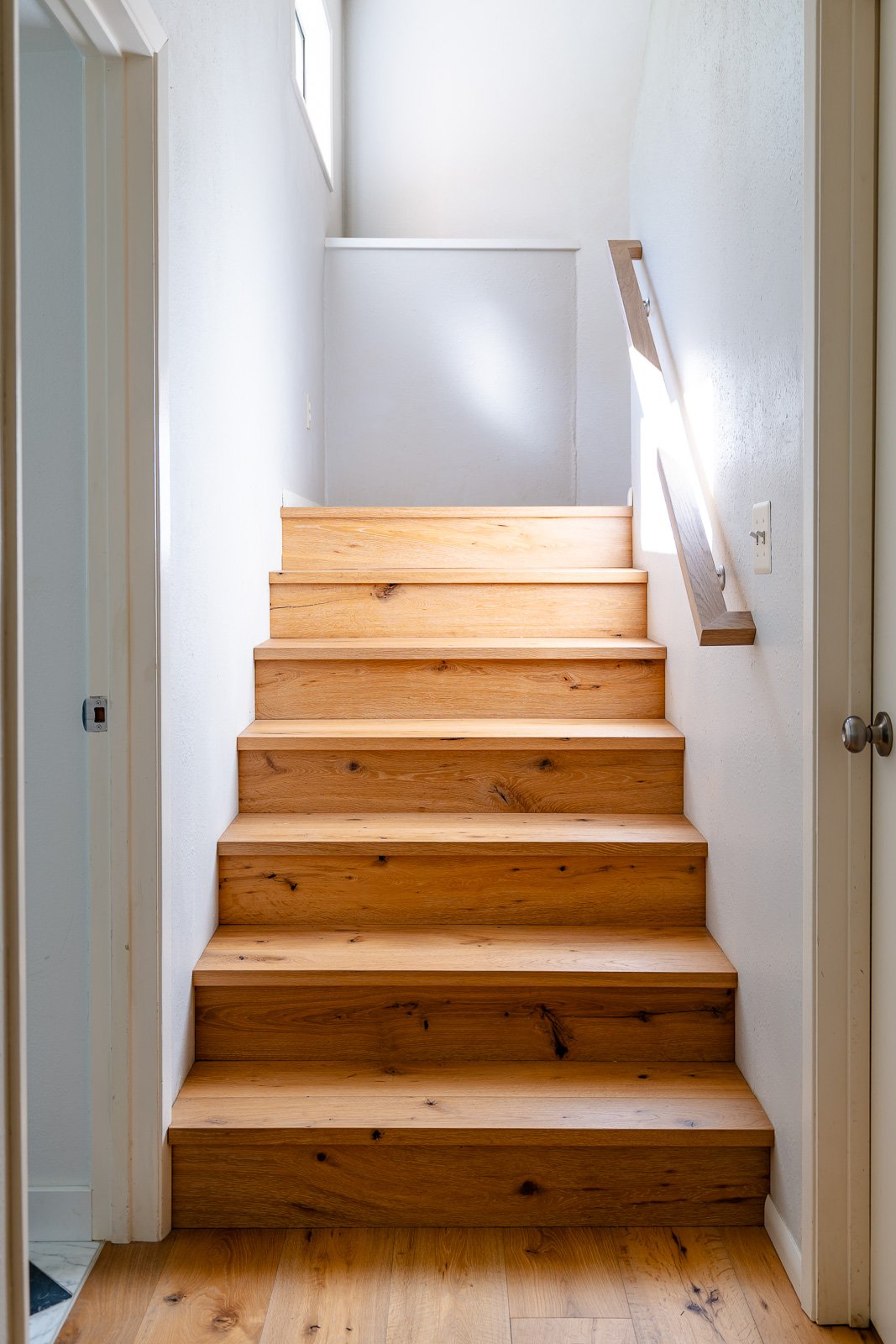
Whole home remodeling often includes a wide range of structural improvements and finish updates that improve both the function and appearance of the house. Structural work may involve installing beams to support removed walls, widening or expanding entryways, and improving the overall flow of the home. At the same time, homeowners often update interior finishes such as flooring, trim, and doors to create a cohesive design throughout the house. Many projects also include upgraded lighting design, modern paint palettes, and improvements to electrical and plumbing systems. Energy-efficiency upgrades—such as better insulation, new windows, or updated HVAC components—are also common during comprehensive remodels.
Kitchen remodeling
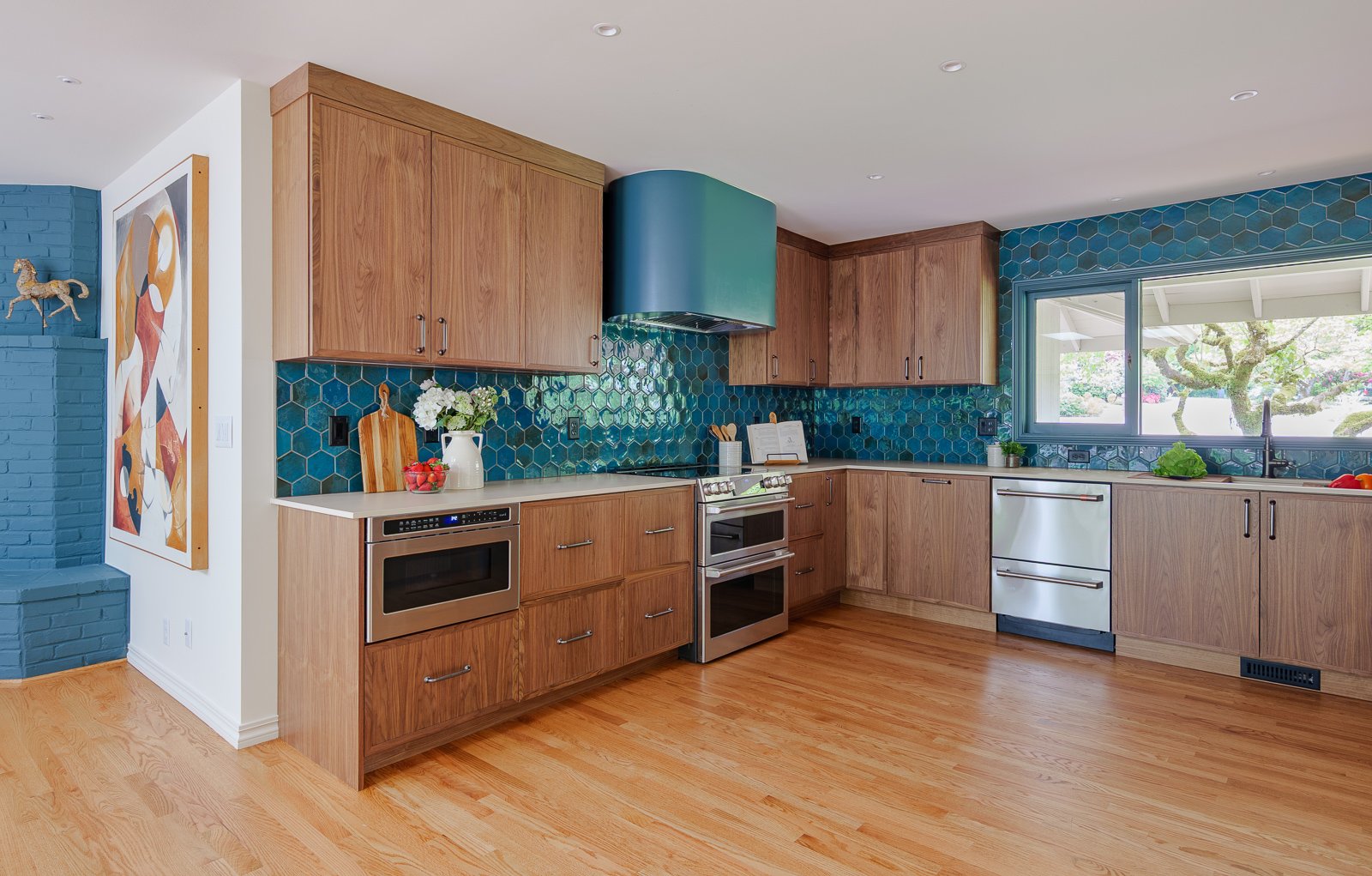
The kitchen is often the centerpiece of a whole home remodel. Many homeowners choose to transform their kitchens into open, highly functional spaces designed for cooking, gathering, and entertaining.
This may include creating an open-concept layout that connects the kitchen to nearby living areas, installing custom cabinetry with improved storage solutions, and adding large islands that provide additional seating and workspace. High-performance appliances, modern lighting, and updated finishes help create a kitchen that feels both contemporary and tailored to the way the household uses the space every day.
Bathroom renovations
Bathroom remodeling is another common element of whole home renovations. Many homeowners upgrade primary bathrooms to create more comfortable, spa-like environments with features such as walk-in showers, soaking tubs, and double vanities.
These renovations often focus on improving both aesthetics and function by upgrading lighting, ventilation, and storage. Updated fixtures, tile, and cabinetry help create bathrooms that feel more modern while also supporting daily routines more efficiently.
Floor plan reconfiguration
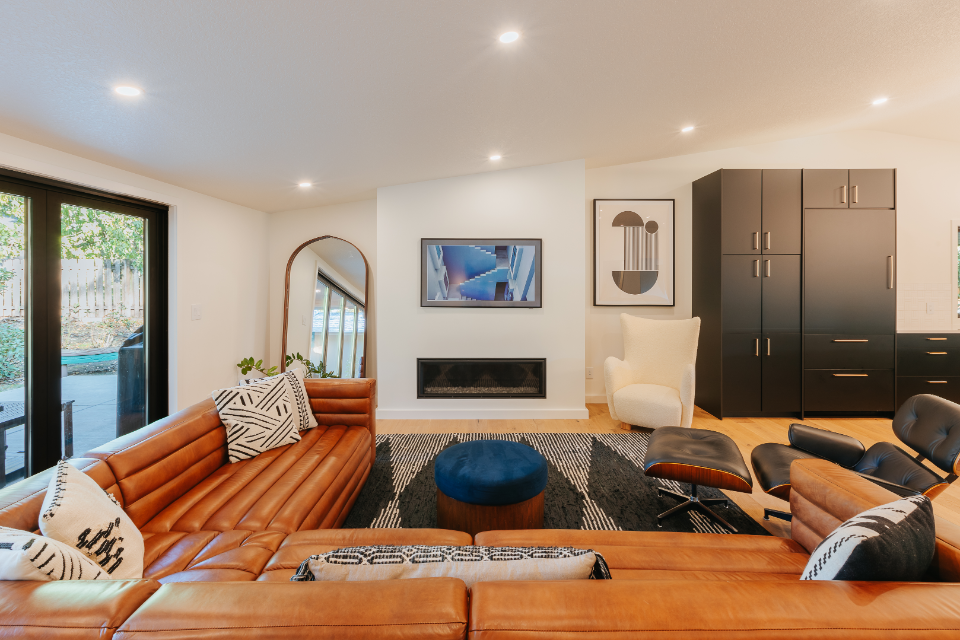
One of the most impactful aspects of a whole home remodel is rethinking how the home’s layout works. Floor plan reconfiguration can involve removing walls to open up living areas, reorganizing rooms to create better circulation, or adapting spaces to support modern lifestyles.
Many homeowners choose to add dedicated home offices, flexible multi-purpose rooms, mudrooms, or improved laundry areas. By redesigning how spaces connect and function, a whole home remodel can make the house feel significantly larger, brighter, and more practical for everyday living.

.png?width=240&height=240&name=Untitled%20design%20(37).png)


%20(1).png?width=240&height=240&name=Untitled%20(240%20x%20240%20px)%20(1).png)