Homeowners' insurance often covers roof damage caused by a sudden event such as a falling tree, windstorm, hail, fire, or lightning. It generally does not cover roof replacement caused by age, neglected maintenance, or gradual deterioration.
Coverage for the event does not automatically mean the insurance company will replace the entire roof. The carrier may accept the claim but approve repairs only for the visibly affected area.
We are currently dealing with this issue on a Portland-area insurance restoration alongside Pacific West Roofing. A tree fell on our client’s concrete-tile roof, and the original tile is no longer manufactured. The carrier is proposing repairs to the affected slopes, while our teams are documenting why the discontinued tile may prevent a reliable partial repair.
The claim remains active, so we cannot present a final outcome. We can explain the construction issues that matter and what homeowners should expect during a roof-damage claim.
This is general information, not legal or insurance advice. The policy and facts of the loss control each claim.
When Does Homeowners Insurance Cover Roof Damage?
Roof damage is usually handled through the dwelling coverage in a homeowners policy. Coverage depends primarily on what caused the loss.
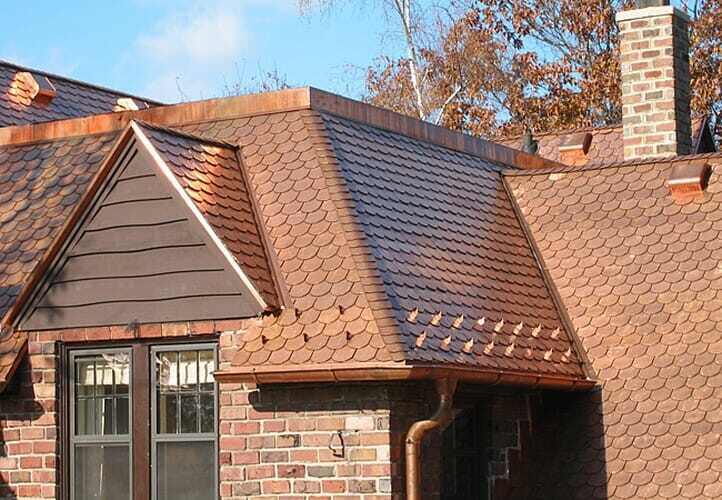
Common covered causes may include:
- Falling trees or branches
- Wind
- Hail
- Fire
- Lightning
- Vandalism
- The weight of ice or snow
- The original roofing material is unavailable
- Available products are not physically compatible
- Accessing the damage will disturb additional roofing
- The underlayment, flashing, decking, or framing was also damaged
- A partial repair cannot meet current installation requirements
- New roofing cannot connect reliably to the remaining system
- The identity and condition of the existing tile
- Confirmation that the product is discontinued
- Attempts to locate compatible new or salvaged material
- The method required to access the damaged area
- The effect that removal may have on surrounding tiles
- Damage to the underlayment and supporting roof assembly
- The transitions required between new and remaining roofing
- Applicable installation and code requirements
The Oregon Division of Financial Regulation states that homeowners insurance may cover damage when a tree falls on a house. Coverage may include removing the tree from the structure and repairing the resulting damage, subject to the policy’s limits, exclusions, and deductible.
The carrier will investigate the cause, the roof’s condition before the event, and the work it believes is necessary to repair the covered damage.
When Is Roof Damage Usually Excluded?
Homeowners insurance addresses sudden losses rather than routine maintenance.
Coverage may be denied or limited when damage results from normal aging, wear and tear, deferred maintenance, repeated leakage, rot, faulty installation, or another policy exclusion.

An older roof can still sustain covered damage from a new event. However, the carrier may separate the new impact damage from deterioration that existed before the tree fell. The roof’s age may also affect depreciation and the amount initially paid.
Does Insurance Pay for Roof Repair or Replacement?
Insurance companies generally begin with the smallest scope they believe will repair the direct physical damage.
For a composition-shingle roof, that might mean replacing individual shingles or completing one affected slope. Oregon’s Division of Financial Regulation notes that when wind damages only one side of a roof, an insurer will normally pay for the affected slope rather than the entire roof.
A limited repair may be appropriate when compatible materials are available, the damaged roofing can be removed without harming adjacent areas, and the new work can integrate with the existing system.
A larger replacement scope may be necessary when:
The strongest case for replacement focuses on how the roof must be built and repaired. Age, discoloration, or appearance alone may not support replacing undamaged roofing.
Why Discontinued Concrete Tile Matters
A concrete-tile roof is a system of overlapping tiles, fasteners, underlayment, flashing, sheathing, and structural framing. Each affected part must work with the material that remains.
Concrete tiles can break under a heavy impact. The U.S. Department of Energy’s Building America Solution Center notes that damage from falling branches can break tiles and expose the roof’s underlayment and sheathing to water.
When the original tile is discontinued, finding a similar-looking product does not necessarily make a repair possible.
The Replacement Tile Must Fit the Existing System
Concrete roof tiles vary in profile, dimensions, thickness, side locks, headlap, fastening locations, and weight. A replacement needs to seat and interlock correctly with the surrounding tiles.
The Tile Roofing Industry Alliance’s 2026 bulletin on discontinued roof tiles explains that modern replacement profiles may not be dimensionally or mechanically compatible with discontinued tiles. Combining incompatible products can create problems with interlocking, fastening geometry, wind resistance, and code compliance.
Color is only one consideration. Physical and mechanical compatibility determine if the replacement can function as part of the roof.
Reaching the Damage May Affect Other Tiles
Concrete tiles overlap, so repairing one area may require lifting or removing the tiles above and around it. Additional tiles can break during that process, particularly on an older system.
Salvaged tile may be an option if enough serviceable material can be found. It still needs to match the existing dimensions, profile, interlock, and fastening method. Finding a few similar tiles does not prove that enough compatible material exists to complete the work.
Damage May Extend Below the Visible Tiles
A tree impact can also affect underlayment, flashing, sheathing, trusses, or rafters. Replacing only the visible broken tiles may leave concealed damage below them.
The proposed repair needs to explain how the contractor will access, inspect, and restore each affected layer. It should also follow current code, manufacturer requirements, and accepted practices such as those in the Tile Roofing Industry Alliance installation manual.
Our Current Concrete-Tile Roof Claim
A tree fell on our client’s home and damaged a concrete-tile roof made from a product that is no longer manufactured. So far, no compatible replacement tile has been identified.
The carrier is proposing repairs to the affected roof slopes. That approach may work for a composition-shingle roof with readily available materials, but it does not resolve the compatibility problem created by this discontinued concrete tile.
Pacific West Roofing is working with our insurance restoration team to document:
The central question is not limited to the number of tiles broken by the tree. It is this:
Can available materials be used to restore the roof through a reliable and accepted installation method?
Our position is that replacing selected tiles or slopes does not restore the roofing system if the new material cannot interlock and perform with the remaining tile.
That position does not guarantee that the carrier will approve full replacement. The policy still controls coverage, and the carrier may dispute which parts of the roof were directly affected. Our responsibility is to provide a clear construction basis for the requested scope.
What Should You Do After a Tree Damages Your Roof?
Protect the Home
Arrange for safe tree removal and temporary protection when needed. Photograph the tree, roof, debris, and interior damage before emergency work begins when it is safe to do so.
Keep receipts for tree removal, tarping, board-up work, and other temporary measures. Avoid permanent repairs until the carrier has had an opportunity to inspect the loss.
Do not climb onto a damaged roof yourself. The impact may have compromised tiles, decking, or framing that appears stable from the ground.
Report the Claim
Contact the insurance company and describe the event accurately. Ask for the claim number, adjuster’s contact information, deductible, roof endorsements, and documentation deadlines.
Photographs taken before the loss, maintenance records, previous inspection reports, and roofing invoices can help establish the roof’s prior condition.
Obtain a Professional Roof Inspection
The insurance adjuster evaluates the claim for the carrier. A roofing contractor evaluates what is required to perform the work.
For a concrete-tile roof, the contractor should identify the tile, research replacement availability, examine the attachment method, assess the surrounding material, and inspect the underlayment and supporting assembly.
If the tree also damaged framing, insulation, ceilings, walls, or other parts of the home, a restoration contractor may need to coordinate the broader reconstruction.
Compare the Scopes, Not Just the Prices
An adjuster’s estimate and a contractor’s estimate may describe different work. One might include only visible tile replacement, while the other includes access labor, underlayment, flashing, decking, structural repairs, and protection of adjacent materials.
The contractor should explain every difference and provide photographs, measurements, product research, and technical guidance supporting the additional work.
This information can be submitted to the carrier as a supplement. A supplement does not guarantee payment, but it gives the adjuster additional facts to evaluate.
Our guide to working with a restoration contractor during an insurance repair explains how the contractor’s documentation supports the claim process.
Actual Cash Value Versus Replacement Cost
The policy’s loss-settlement provisions affect how much the carrier may pay.
Actual-cash-value coverage generally subtracts depreciation based on the roof’s age, condition, and expected service life. Replacement-cost coverage generally pays the cost to repair or replace covered damage with comparable materials, subject to the policy’s conditions, limits, and deductible.
Some policies initially pay actual cash value and release recoverable depreciation after the work is completed and documented. A separate roof endorsement may also change how the loss is valued.
Review the declarations, endorsements, exclusions, deductible, and loss-settlement provisions before assuming the roof has the same coverage as the rest of the home.
What If the Carrier Approves Only a Partial Repair?
Ask the carrier for its proposed scope and policy-based explanation in writing. Then have the roofing contractor respond to the exact repair being proposed.
The response should address material compatibility, access, attachment, collateral damage, underlayment, transitions, code, and expected roof performance. “The roof is old” is not enough. The contractor needs to show why the proposed repair can or cannot be completed.
Oregon’s unfair claim settlement statute, ORS 746.230, requires insurers to conduct a reasonable investigation based on available information and provide the basis for a claim denial.
Keep estimates, reports, photographs, emails, and written decisions together. If the dispute concerns the amount of the loss, review the policy for an appraisal clause. Appraisal can address certain cost disagreements, but it generally does not decide coverage.
Oregon homeowners can also contact the Division of Financial Regulation at 888-877-4894 or file a consumer complaint. A licensed public adjuster or attorney may be appropriate for a complex dispute.
What Is the Contractor’s Role?
A roofing or restoration contractor can inspect the damage, identify materials, document repairability, prepare a construction scope, and respond to technical questions from the adjuster.
The contractor does not write the policy or decide coverage. Unless separately licensed and retained for that role, the contractor is not acting as a public adjuster or attorney.
On this project, Pacific West Roofing is providing the roofing evaluation and technical documentation. We are coordinating the larger restoration scope and communication needed to connect the roof work with any structural or interior repairs.
Learn more about our Portland insurance restoration services.
Frequently Asked Questions About Roof-Damage Insurance
Does homeowners insurance cover damage from a fallen tree?
It commonly covers direct roof damage caused by a falling tree, subject to the policy’s limits, deductible, endorsements, and exclusions. It may also cover reasonable costs to remove the tree from the damaged structure.
Does homeowners insurance cover roof leaks?
It may cover a leak caused by a sudden event such as a falling tree or windstorm. Leaks caused by maintenance problems or gradual deterioration are generally excluded.
The roof damage and resulting interior water damage may be evaluated separately, so document both.
Will insurance pay to replace the entire roof?
It can, but replacement is not automatic. The decision depends on the covered damage, policy language, material availability, repairability, code requirements, valuation method, and deductible.
What happens when concrete roof tile is discontinued?
The contractor should document the existing tile and attempts to locate a compatible new or salvaged replacement. A similar-looking tile is not sufficient if it cannot seat, interlock, fasten, and perform with the existing system.
If no compatible material exists, the contractor should explain why the proposed repair or partial-slope replacement cannot restore the roof.
Does an older roof still qualify for coverage?
An older roof may still have coverage for damage caused by a new covered event. Its age and condition can affect depreciation, payment, repairability, and exclusions for pre-existing deterioration.
Can I choose my own roofing contractor?
Homeowners can generally obtain an inspection and estimate from a contractor they select. The carrier may provide its own estimate or recommend a vendor, but review the policy and contractor agreement before authorizing permanent work.
The Repair Scope Must Fit the Roof
An insurance estimate can provide a starting point. The final construction scope needs to account for the roofing system actually installed on the home.
In our client’s case, a tree damaged a concrete-tile roof made from a discontinued product. The core issue is not finding a tile with a close color. It is finding a product that can physically integrate with the existing system and produce a reliable repair. Learn more about our insurance restoration services.
Pacific West Roofing and our restoration team are documenting that issue while the claim remains under review. Our shared goal is a scope that addresses the covered damage without leaving the homeowner with an incompatible or incomplete roof.
For substantial Portland-area property damage involving structural or interior reconstruction, contact our insurance restoration team. For a roof inspection, repair, or replacement estimate, contact Pacific West Roofing.
-1.jpg)