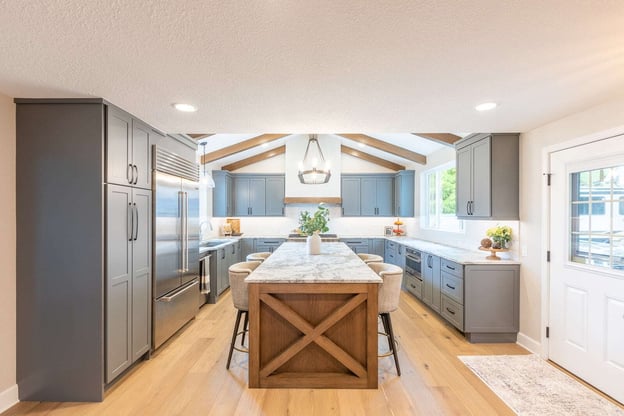
Thinking about remodeling your kitchen but unsure how to balance design dreams with financial realities? At Lamont Bros., we understand that most homeowners have a budget—but that doesn't mean you have to sacrifice quality or craftsmanship. This guide walks you through how to approach a kitchen remodel strategically, so you can get the most value out of your investment—without cutting corners.
Key Points
-
Keeping the existing layout is the single most powerful way to control costs. Avoiding plumbing and electrical rerouting can save thousands, and pairing that decision with cabinet refacing, hardware swaps, and smart material choices like laminate countertops or vinyl plank flooring allows homeowners to achieve a dramatically refreshed kitchen without a full gut renovation.
-
Prioritize where you spend and be strategic about everything else. Cabinetry typically represents 25 to 40% of a kitchen remodel budget, so decisions there have the biggest financial impact. Keeping functional appliances, shopping sales and rebates, and reserving custom or premium options for the most visible surfaces helps stretch the budget further.
-
Plan carefully and leave room for surprises. Setting aside a contingency fund of 10 to 20% of the total budget protects against unexpected costs, and working with a design-build firm early in the process helps prevent the costly redesigns and miscommunications that happen when planning and construction are not properly coordinated from the start.

Kitchen Remodeling on a Budget: How to
1. Define Your Remodeling Goals and Budget
Before diving into any design decisions, take time to set clear objectives — whether that's improved functionality, updated aesthetics, or increased home value. From there, establish a realistic budget and prioritize needs over wants, focusing on the upgrades that directly support your goals. A well-defined plan from the start is the single best way to keep a remodel on track and within budget.
2. Choose Between a Pull-and-Replace or Full Renovation
Knowing the scope of your remodel is essential for accurate budgeting. A pull-and-replace approach retains your existing layout while updating elements like cabinets, countertops, and fixtures, and is generally the more cost-effective path. A full renovation involves changing the kitchen's layout, which may require moving plumbing or electrical systems and typically comes with a higher price tag. The right choice depends on your goals, budget, and the current state of your kitchen.
3. Optimize Cabinet Solutions
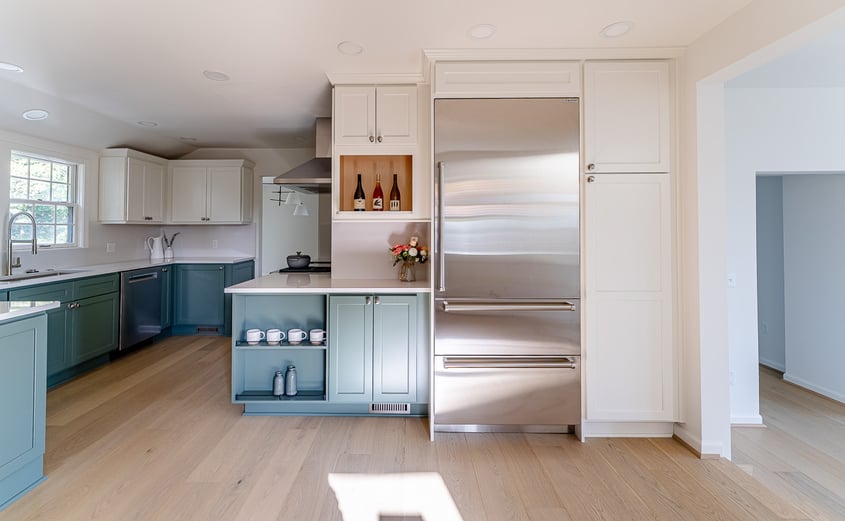
Cabinets often consume a significant portion of the kitchen remodel budget, so strategic decisions here can lead to real savings. If your existing cabinet boxes are in good condition, refacing the doors and updating the hardware can deliver a fresh look at a fraction of the cost of full replacement. When buying new, materials like laminate offer durability and style without the premium price tag, and sticking to standard sizes and finishes is considerably more budget-friendly than going custom.
4. Be Strategic with Appliance Upgrades
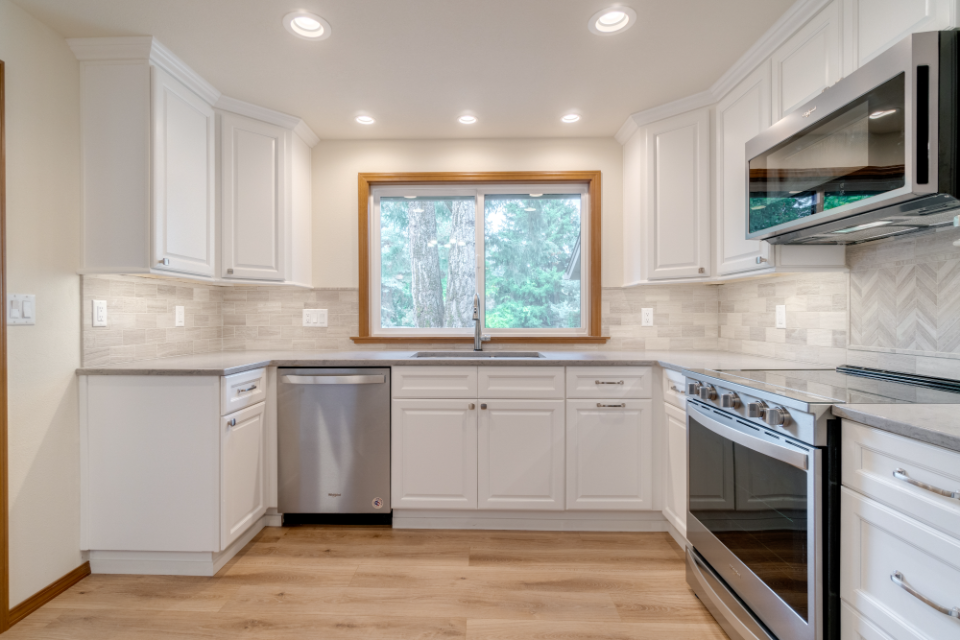
Appliances are essential but can be a significant expense. Before replacing anything, assess what you already have. If your appliances are functional and energy-efficient, keeping them is often the smartest financial move. When upgrades are necessary, shop for sales, manufacturer rebates, or quality gently used options. Prioritizing appliances that match your actual cooking habits and lifestyle ensures you're spending where it genuinely matters.

5. Select Materials Wisely
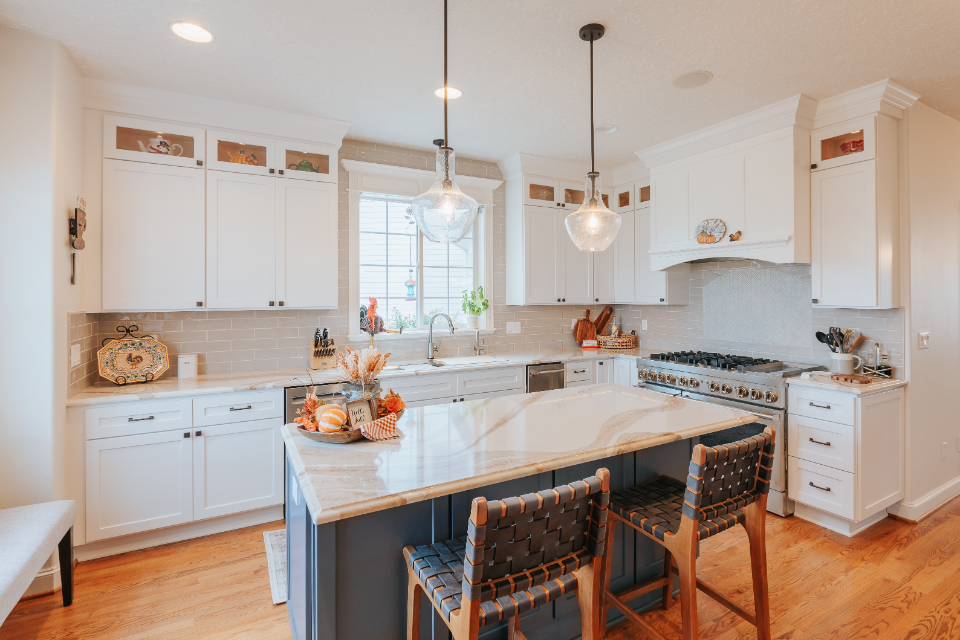
Material choices have a major impact on both aesthetics and budget. For countertops, options like butcher block or laminate can convincingly mimic the look of high-end materials at a fraction of the cost. Vinyl plank or tile flooring offers durability and style without the premium price of hardwood or natural stone. For backsplashes, peel-and-stick tiles or a well-executed painted design can add real character without a significant investment. The right material selections let you achieve the look you want while staying within budget.
6. Enhance Lighting Thoughtfully
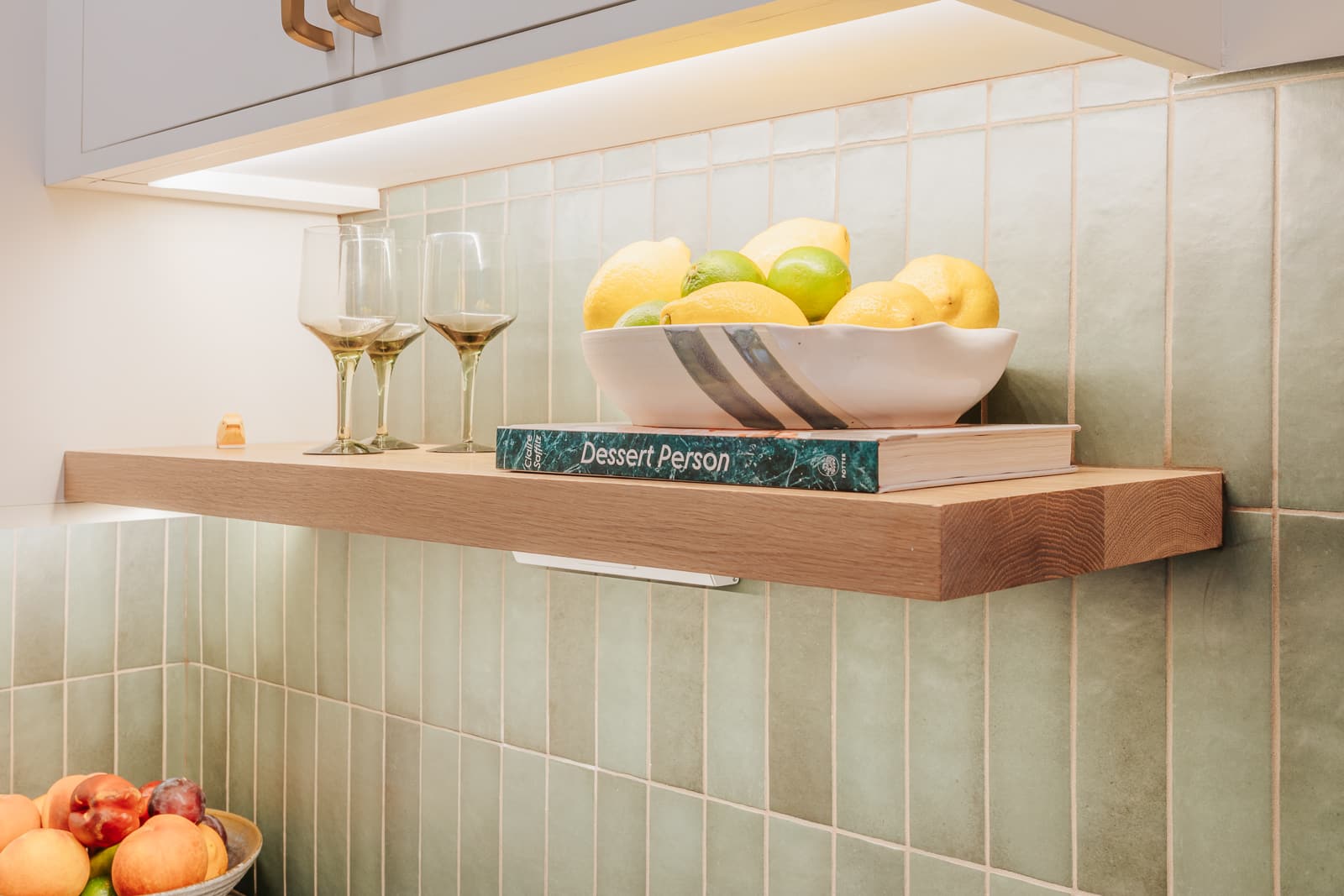
Lighting transforms the kitchen's ambiance:
-
Utilize Natural Light: Maximize existing windows to reduce the need for additional fixtures.
-
Upgrade Fixtures: Replacing outdated fixtures with modern, energy-efficient ones can make a significant difference.
-
Layer Lighting: Combine ambient, task, and accent lighting for functionality and mood.
Effective lighting enhances both aesthetics and usability.
7. Incorporate DIY Elements Where Appropriate
Taking on certain tasks yourself can meaningfully reduce labor costs. Repainting walls or cabinet exteriors, swapping out hardware like knobs and pulls, and installing peel-and-stick backsplash tiles are all manageable projects for most homeowners. That said, be honest about your skill level and available tools before committing to DIY. A mistake in the wrong place can cost more to fix than hiring a professional from the start.
8. Work with professionals for complex tasks
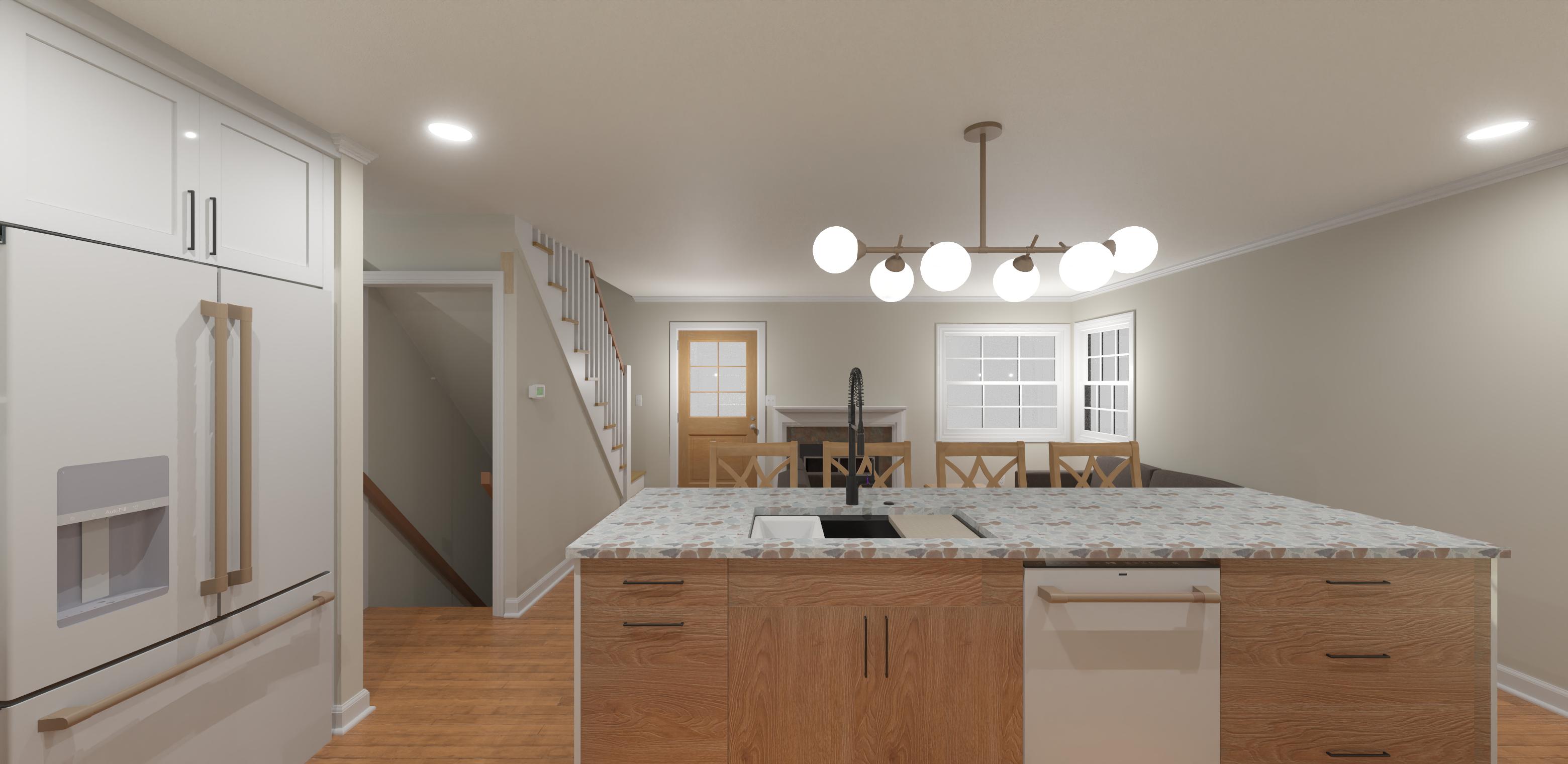
This rendering shows one version of what this kitchen remodel might look like. Working with a Design Build firm that allows you to see your space before you build and avoid unexpected events that can drive up cost and prolong your remodel. Learn more about Design Build.
While DIY can save money in the right situations, certain aspects of a kitchen remodel require professional expertise. Electrical and plumbing work should always be handled by licensed professionals to ensure safety and code compliance. Structural changes, meaning anything involving walls or layout modifications, need experienced contractors. Working with a designer early in the process can help optimize your space and prevent the kind of costly redesigns that happen when planning and construction aren't properly coordinated. Working with a design-build firm means design, structure, and construction are managed together from day one, which reduces surprises and keeps costs more predictable.
9. Plan for contingencies
Even well-planned remodels encounter unexpected expenses. Setting aside a contingency fund of 10 to 20% of your total budget gives you the flexibility to handle surprises without derailing the project. Reviewing your budget regularly as the project progresses helps you stay aware of where you stand, and being willing to adjust plans when needed keeps the overall remodel moving forward without unnecessary stress.
FAQ's: Kitchen remodeling on a budget
Some of our most frequently asked questions from homeowners looking to remodel their kitchen on a budget:
What time of year is the cheapest to remodel a kitchen?
For homeowners looking to stretch their remodeling budget, late fall and winter tend to offer the best opportunity. Contractor schedules slow down between November and March, which often translates to more flexible pricing on labor and easier availability for scheduling. On the materials side, Black Friday sales and post-holiday clearance events can be a good time to lock in deals on cabinets, appliances, and flooring, even if installation is not happening right away. Spring can also bring promotional pricing from suppliers, but contractor demand picks back up quickly as the season progresses.
What cabinet color is outdated?
A few cabinet colors that were dominant over the past decade are now feeling dated. Honey oak, once a staple in kitchens across the country, reads as firmly rooted in the 1990s and early 2000s. Cool gray, which had a long run as the go-to neutral, has started to feel more like a default than a design choice. Stark, bright white is also losing ground, not because white is inherently dated, but because an all-white kitchen can feel clinical and flat without the warmth of contrasting materials or tones. Designers are currently moving toward warm neutrals, natural wood finishes, and two-tone combinations that add depth and character rather than relying on a single dominant color throughout.
What is the most expensive part of a kitchen remodel?
Cabinetry consistently comes in as the largest single cost in a kitchen remodel, often representing anywhere from 25 to 40% of the total project budget. The combination of materials, skilled labor, and the sheer amount of surface area cabinets cover makes them the dominant line item in most projects. Labor overall is the second largest expense, and within that category, layout changes are where costs can escalate quickly. Moving a sink, relocating a range, or shifting plumbing and electrical lines to accommodate a new floor plan adds significant cost that is not always visible in an initial estimate. Countertops and appliances round out the top four, though both offer more flexibility depending on material and brand choices.
What is the least expensive way to remodel a kitchen?
The most budget-friendly approach to a kitchen remodel is to focus on updating what you have rather than replacing it. Keeping the existing layout intact is the single most effective cost-control decision you can make, since avoiding plumbing and electrical rerouting alone can save thousands in labor. From there, refacing cabinet doors and drawer fronts rather than replacing the boxes, repainting cabinet exteriors, and swapping out hardware can dramatically change the look of a kitchen at a fraction of the cost of new cabinetry. Prioritizing high-visibility surfaces like countertops, backsplash, and lighting fixtures gives you the most noticeable visual return, while leaving the structural and mechanical elements untouched keeps the overall project cost manageable.
Choose Lamont Bros. for your next kitchen remodeling project
The right starting point is a clear conversation about your priorities, available investment, and the changes that would make the greatest difference in daily life. Lamont Bros. Design & Construction connects design decisions with pricing and construction planning before work begins.
Contact our team to discuss your kitchen remodel and determine whether your goals, scope, and budget are a good fit for our design-build process.
-1.jpg)