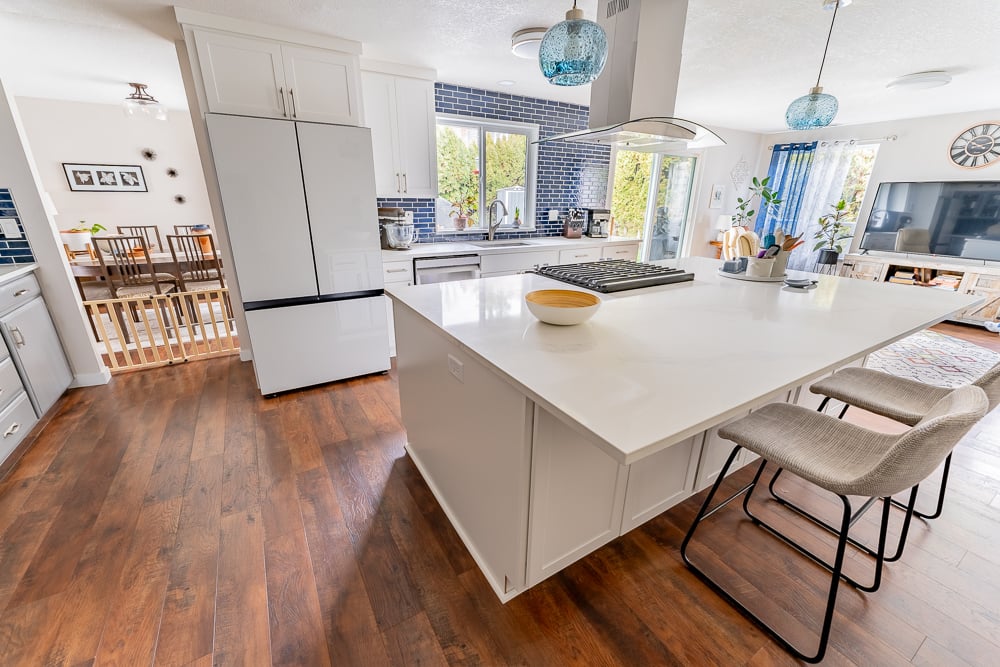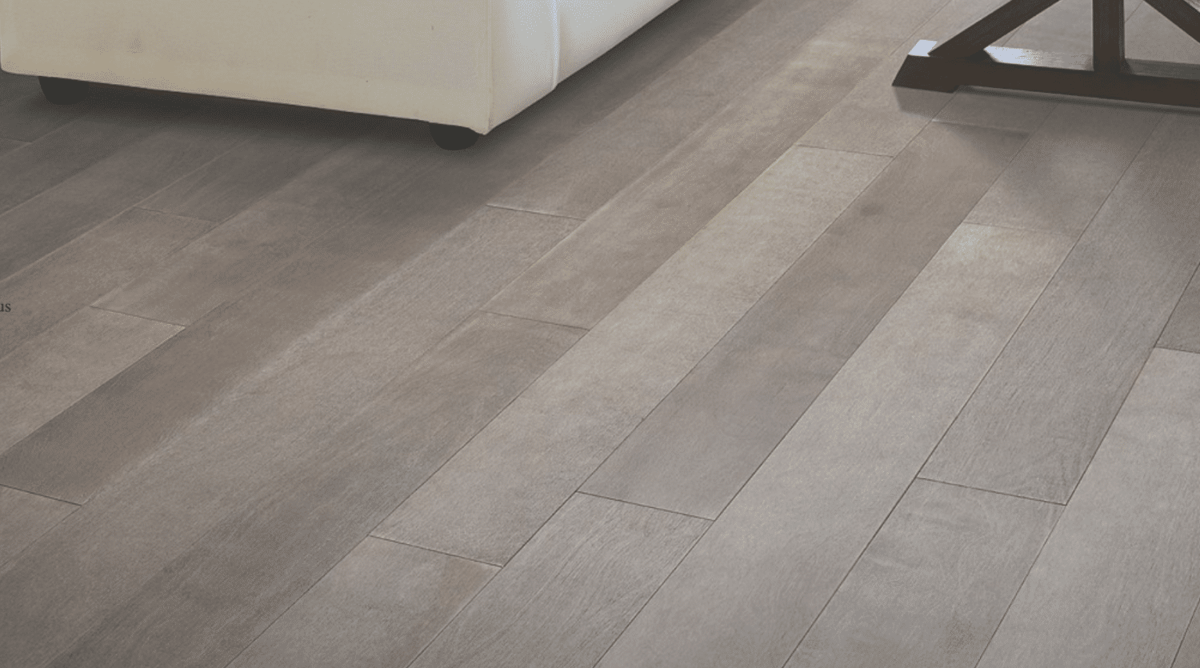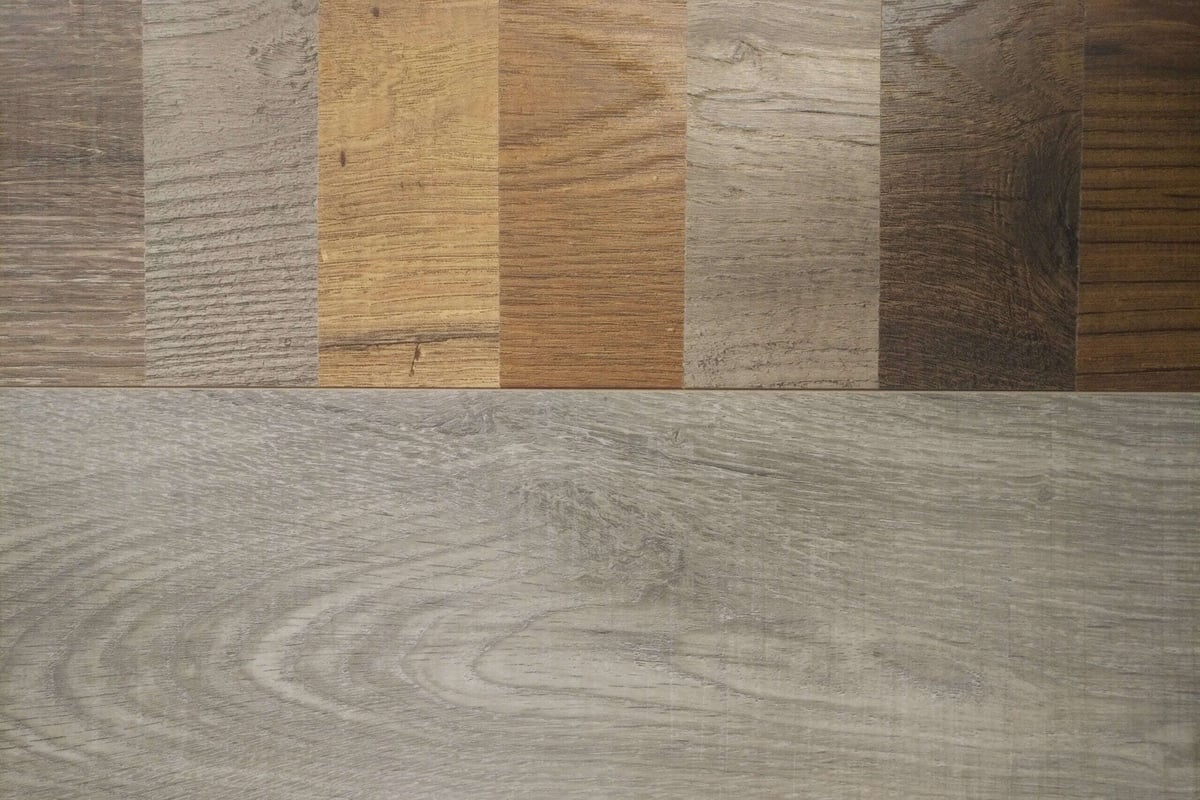
Porcelain tile generally offers the strongest scratch resistance among common residential flooring materials. If you want the appearance of wood in a plank floor, quality laminate often resists surface scratching better than luxury vinyl plank or hardwood.
That does not make either material the right choice for every room. LVP typically handles moisture better than standard laminate. Hardwood scratches more readily, but many wood floors can be repaired or refinished. Tile resists scratches but feels harder and colder underfoot.
No flooring is completely scratch-proof. Product quality, surface coating, texture, color, installation, and daily use can produce substantial differences within the same material category.
At Lamont Bros. Design & Construction, we select flooring as part of the complete home design. Scratch resistance matters, but so do moisture, comfort, repairability, transitions between rooms, subfloor conditions, and the way the material supports the rest of the home.

In this guide, we will compare the most scratch-resistant flooring materials, revisit our original scratch test, and explain what to examine when comparing individual products.
The Most Scratch-Resistant Flooring Options
Here is the short answer:
| Flooring | Scratch Resistance | Main Tradeoff |
|---|---|---|
| Porcelain tile | Excellent | Hard, cold, and difficult to replace |
| Quality laminate | Very good | Moisture performance varies |
| Luxury vinyl plank | Good to very good | Can gouge or dent under sharp, heavy objects |
| Hardwood | Varies by finish | Scratches more readily but can often be repaired |
| Engineered hardwood | Varies by finish | Refinishing depends on the thickness of the wood veneer |
These rankings describe broad material tendencies. Individual products can perform differently, so product testing and specifications still matter.
Is Any Flooring Scratch-Proof?
No residential flooring is truly scratch-proof.
“Scratch-resistant” means a surface can withstand a certain amount of contact without showing visible damage. It does not mean the floor cannot be marked by dragged furniture, grit, metal edges, pet claws, or heavy objects.
It also helps to distinguish among several types of damage.
A scratch affects the surface. A gouge cuts more deeply into the material. A dent compresses the flooring after an impact or sustained load. Abrasion gradually wears away the surface through repeated contact with dirt, shoes, and other materials.
A product may resist one type of damage better than another. A hard laminate surface might resist pet claws but become difficult to repair after a deep gouge. LVP may resist daily scuffs while showing an indentation beneath heavy furniture. Hardwood may scratch but remain serviceable because its finish can be renewed.
The best scratch-resistant flooring is the material whose strengths and limitations fit the room and household.
We Tested These Materials!
If you have kids or pets, or simply have a heavily trafficked home, you probably know that your floors can suffer from wear and tear over time. And scratches are one of the most common ways floors can be damaged. So which flooring material is the most scratch resistant?
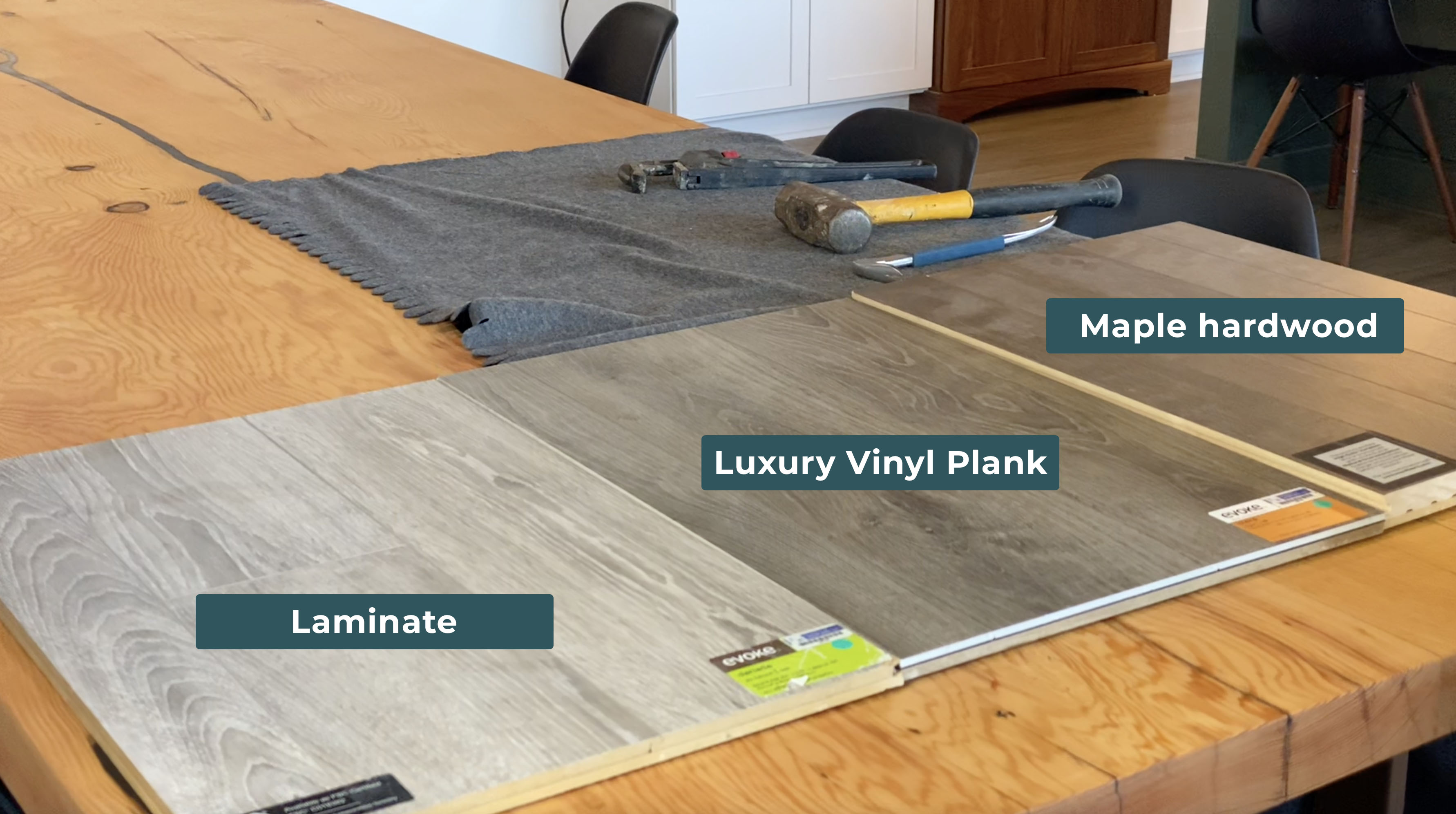
Using samples of maple hardwood, luxury vinyl plank, and laminate, we brought out the heavy tools to find out which one would stand up best to potential scratches.
Test #1: Cat’s Paw Tool
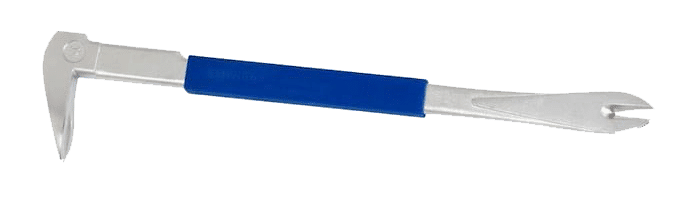
In our first test, we employed a tool called a “cat’s paw.” It’s a carpenter’s tool that has a sharp, curved V-shaped cleft for gripping nail heads at one end. The edge isn’t super sharp, but it’s a good comparison to dragging a piece of furniture across the floor.
Maple hardwood
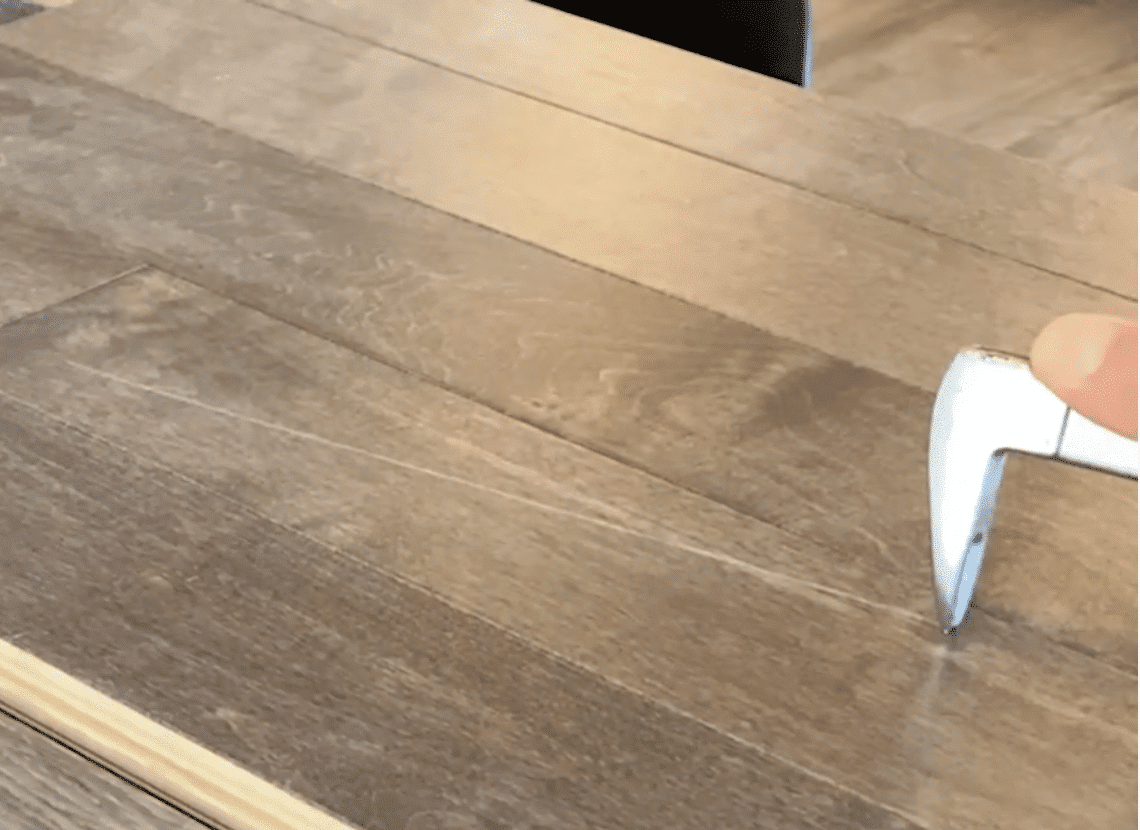
The result: We began with the maple. Even though this is a hardwood floor, the cat’s paw did scratch the surface and indent the wood. So dragging something moderately sharp did leave a scratch on maple hardwood.
Luxury vinyl plank
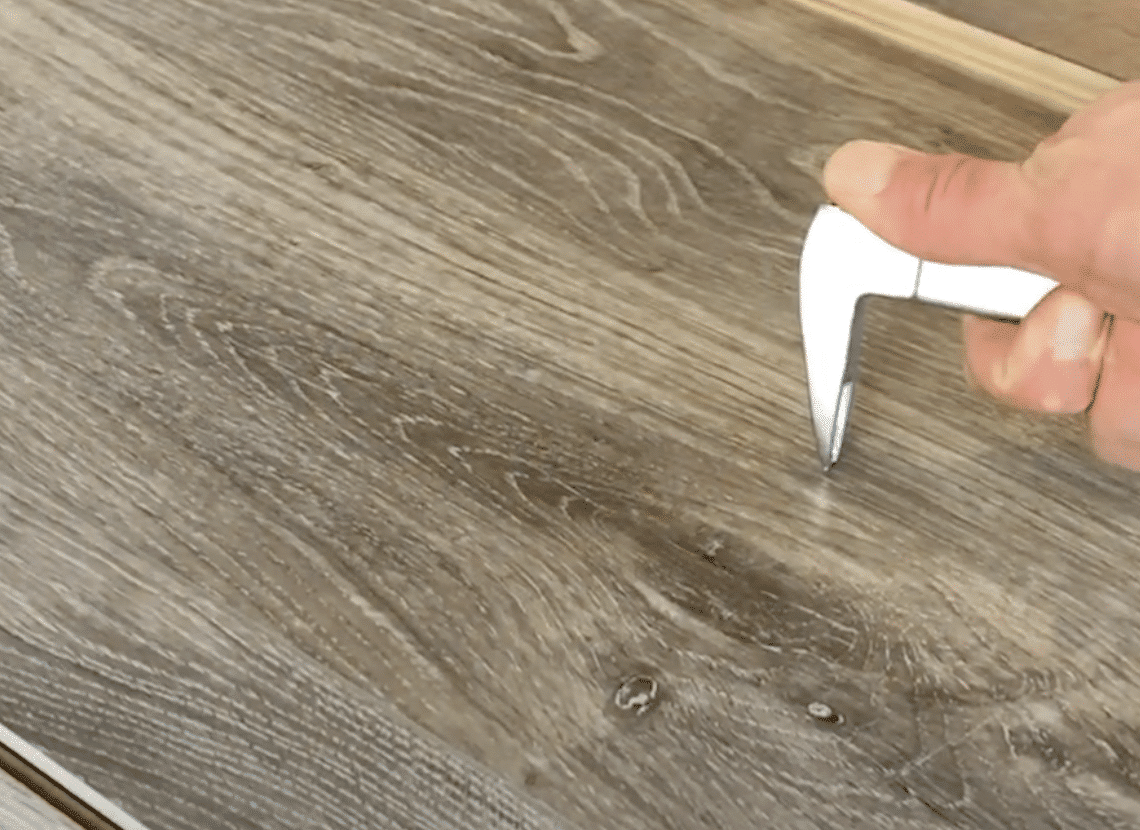
The result: Next, we tested the same tool on the luxury vinyl plank by dragging it with similar pressure. It produced no visible scratching. The LVP successfully resisted any damage.
Laminate
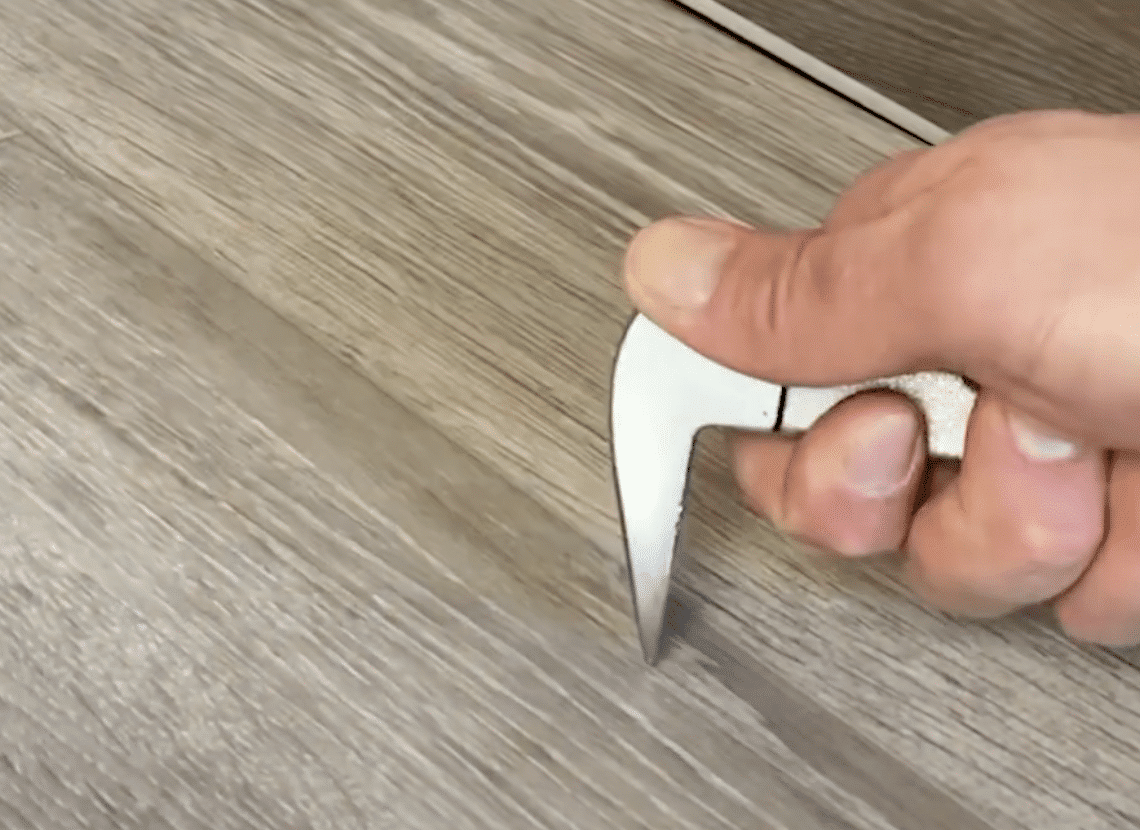
The result: Finally, we dragged the cat’s paw over the laminate flooring to see what, if any damage would happen. It produced a very faint scratch, but it was hard to see with the naked eye, so similar to the LVP, it resisted scratching very well in this case.
Test #2: Four Pound Hammer
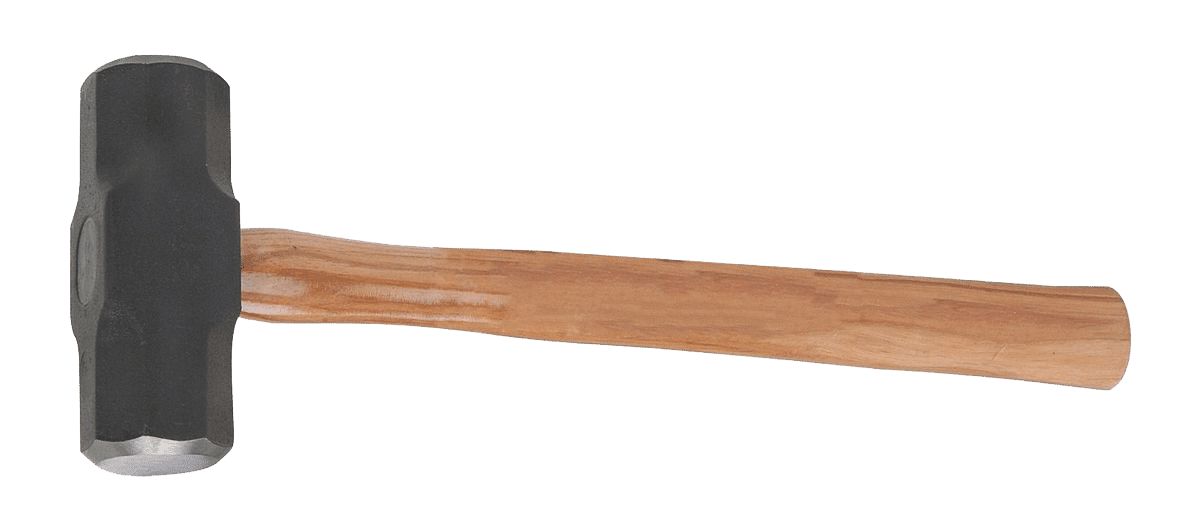
Next, we tried something a little heavier. We wanted to see if dropping a four-pound sledge hammer on the flooring samples would leave any marks.
The result: A bit to our surprise, in all cases the flooring held up well. The hammer didn’t leave a scratch on the hardwood, vinyl, or laminate.
Test #3: Pipe Wrench
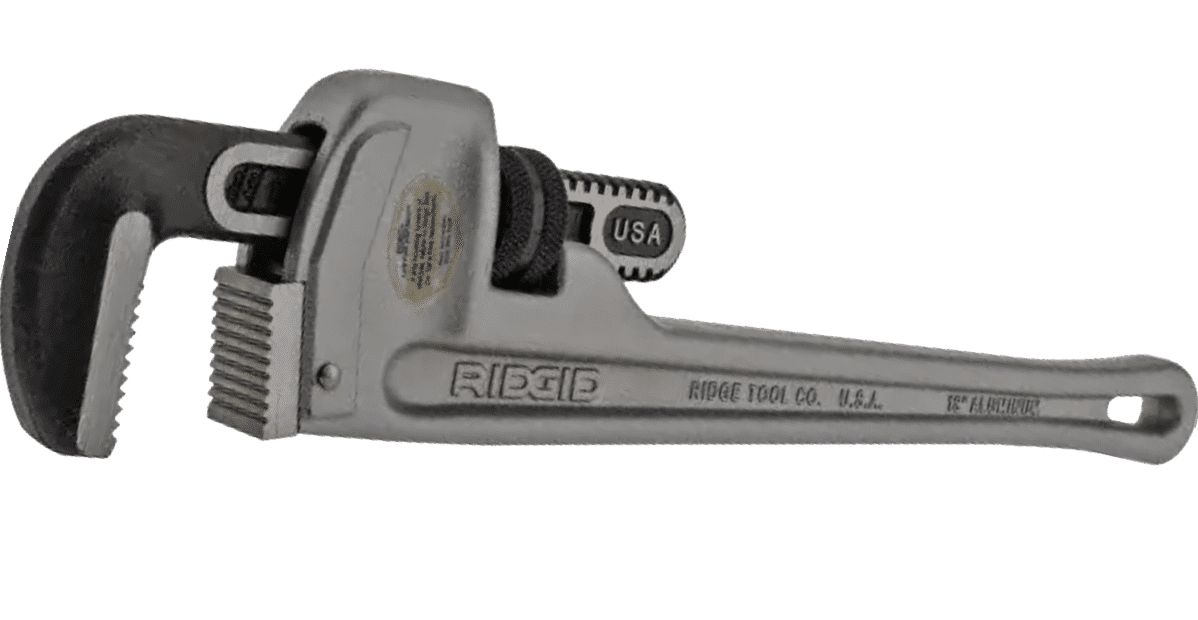
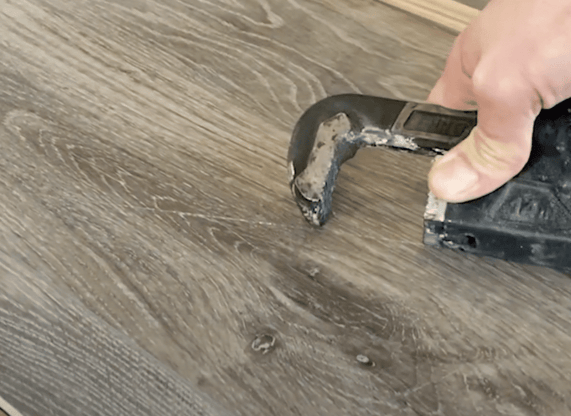
For our third test, we brought out a pipe wrench. We wanted to give this a try because these wrenches have some pretty sharp edges on them, much sharper than the Cat’s Paw..
Maple hardwood
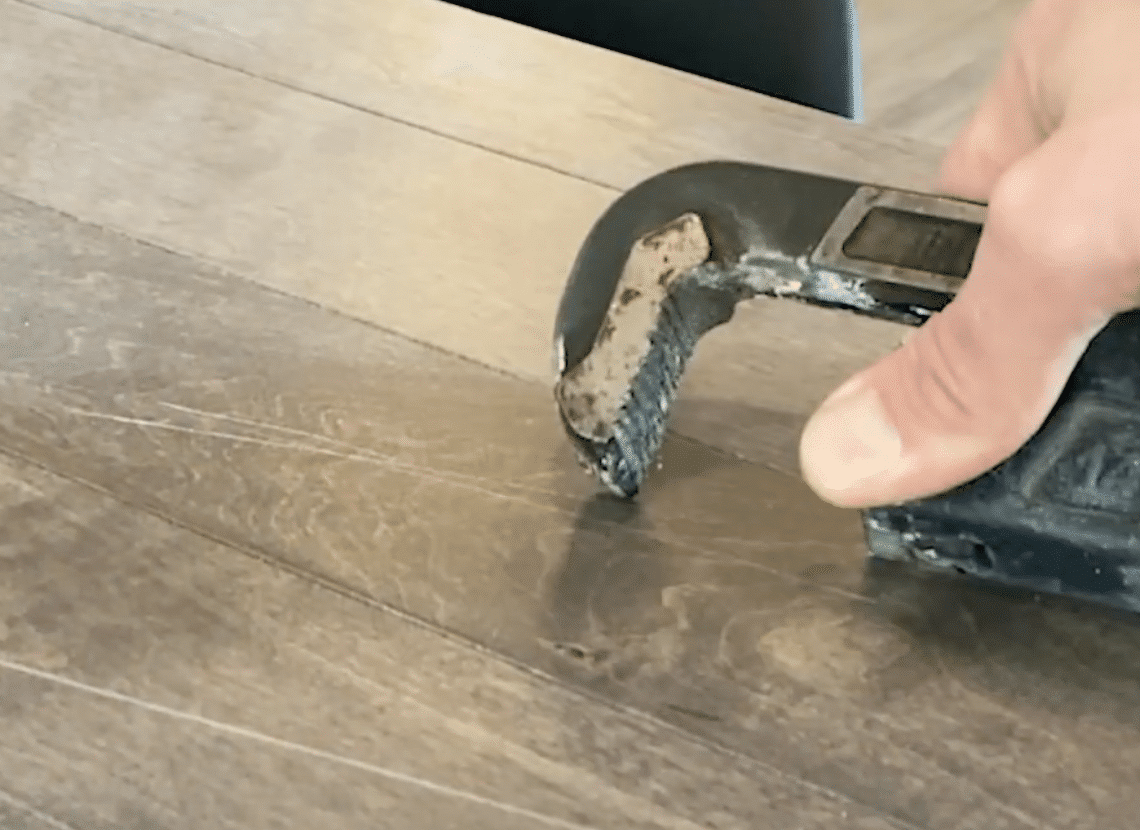
The result: When we dragged the wrench across the maple, the sharp edge of the wrench left a visible mark. It wasn’t deep, but it was definitely apparent.
Luxury Vinyl Plank
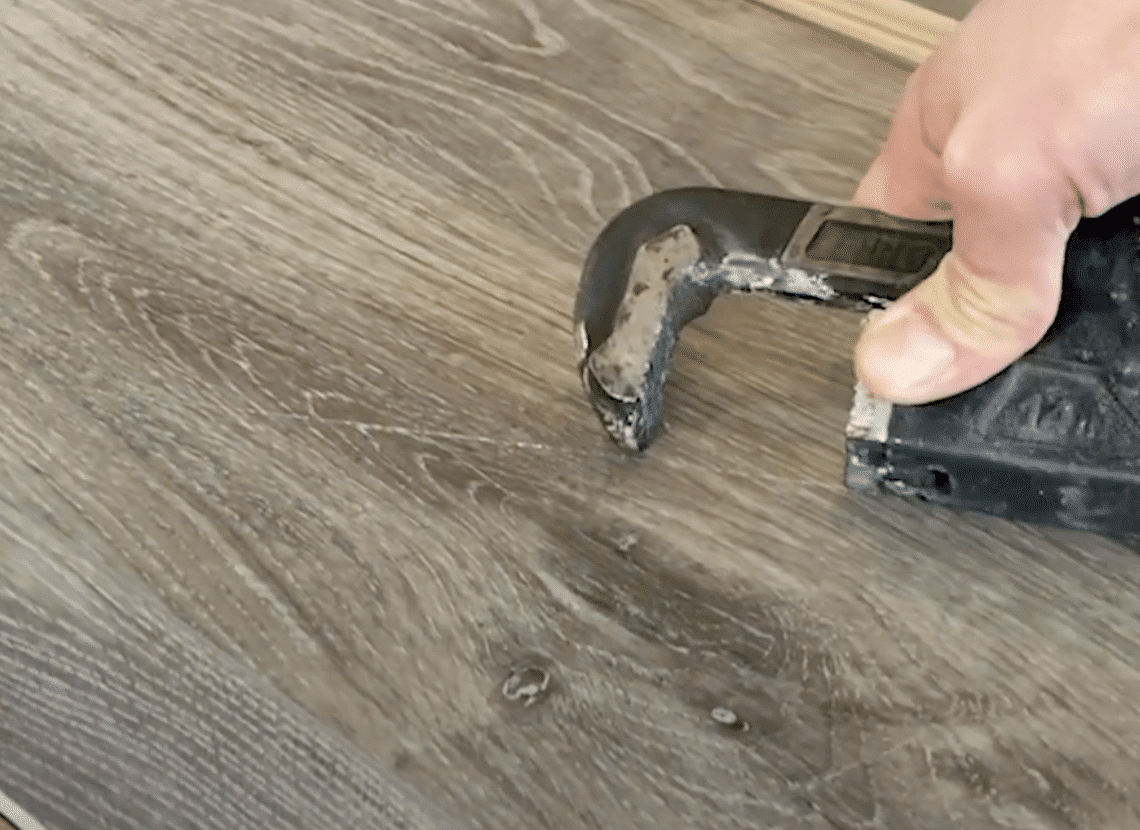
The result: The wrench also did some damage to the LVP. It cut through the wood-like graphic on top of the sample and also left a bit of an indentation.
Laminate
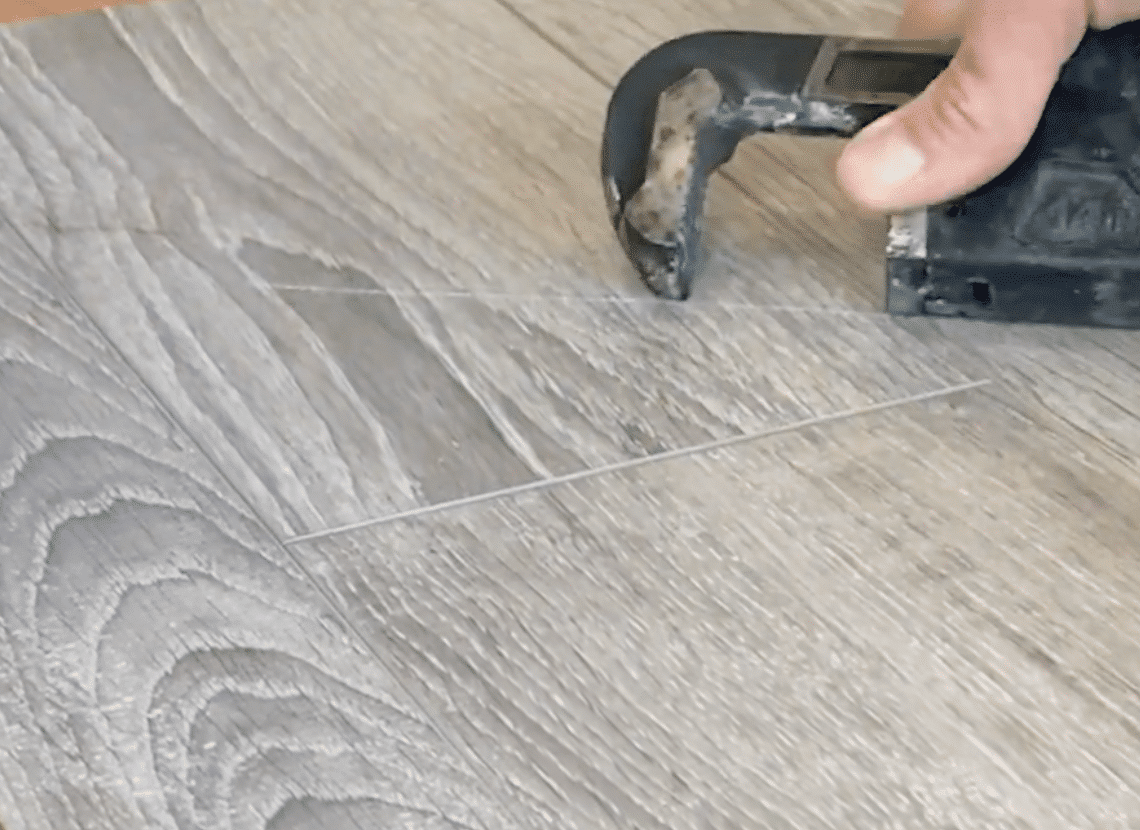
The result: The laminate also showed some damage from the pipe wrench, but it wasn’t extensive. That said, the wrench did leave a fairly visible scratch on the surface.
Test #4: A Big Rock
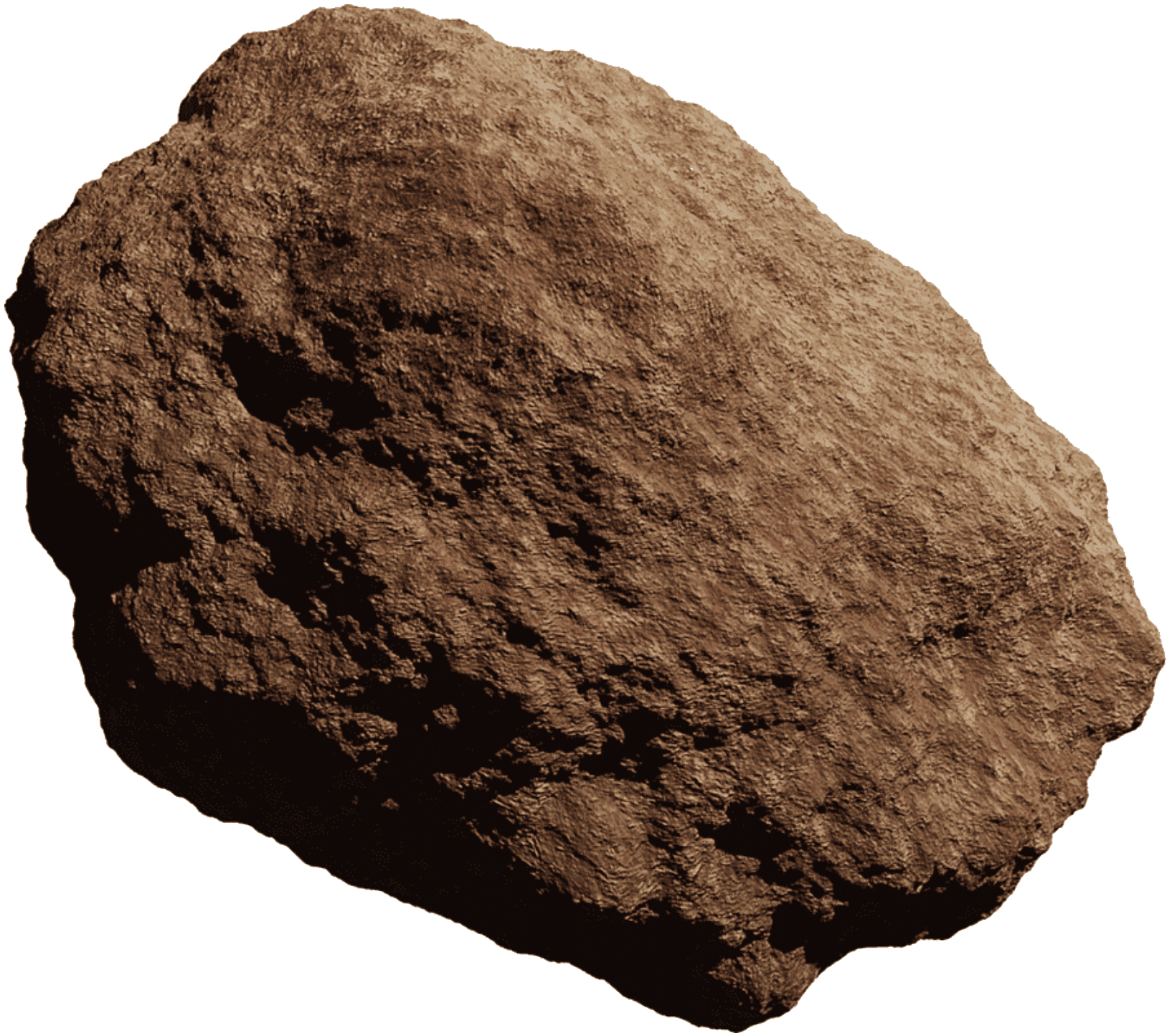
Finally, we wanted to use something both sharp and heavy, namely a huge rock. Chances are, you may not drag or drop a giant rock on your kitchen floor, for example, but like the other tools, it can mimic the movement of furniture, like a dining table, being dragged across flooring. Let’s see which material proved to be the most scratch resistant flooring in our last test.
Maple hardwood
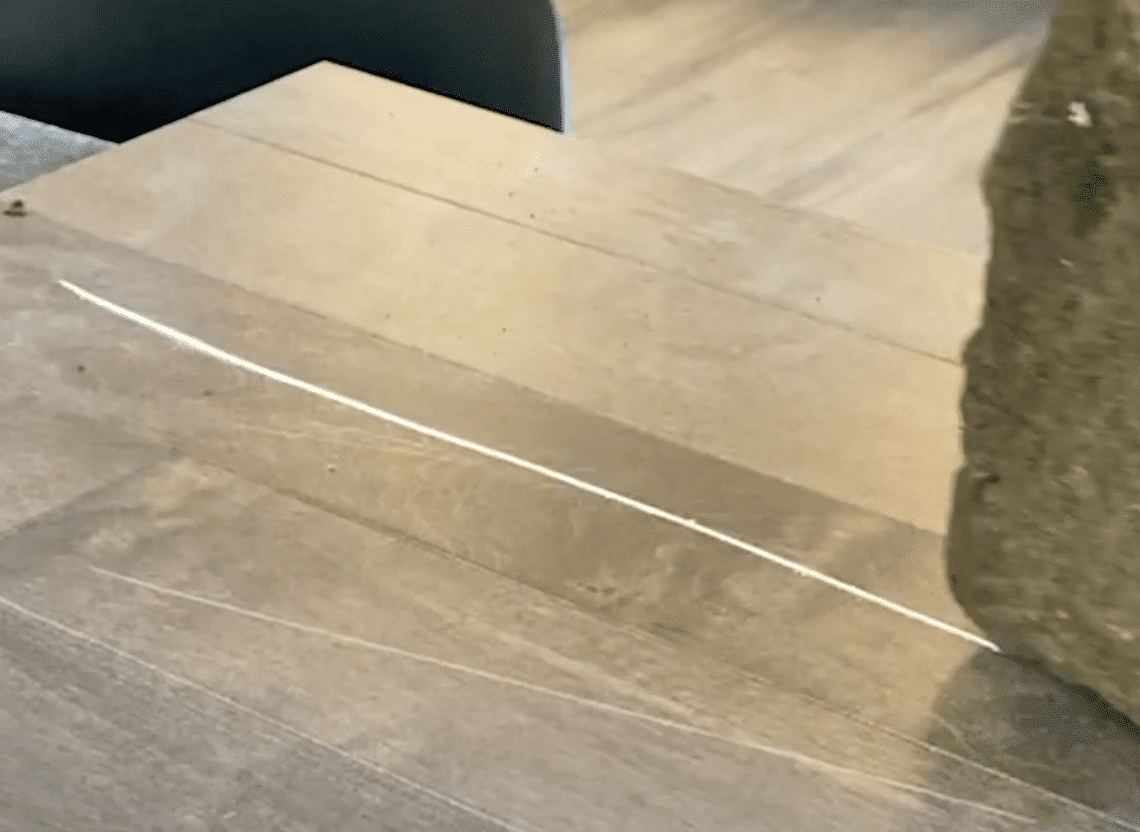
The hardwood did not fare so well at all against the rock. It left a very noticeable gash across the surface and an impression in the wood.
Luxury Vinyl Plank
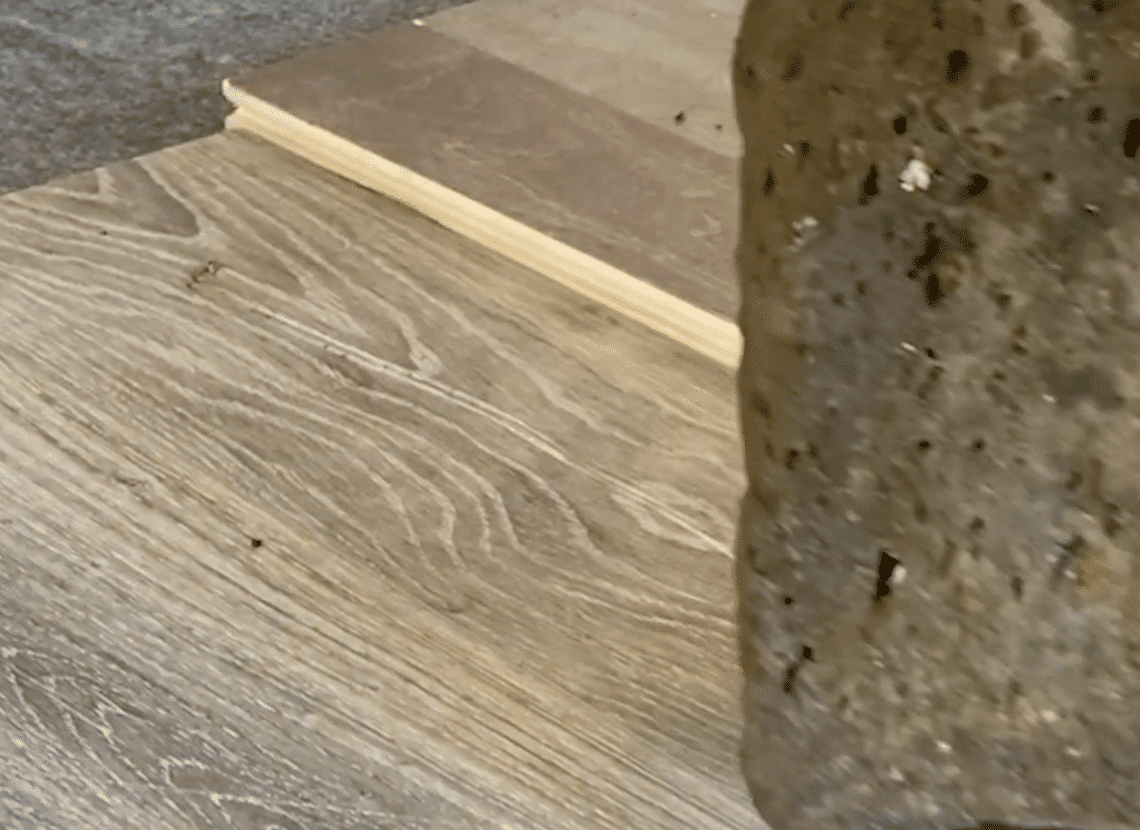
The vinyl fared better than the hardwood, but it still sustained some damage. The rock left a significant scratch and an impression on the surface due its weight.
Laminate

As for the laminate, the rock barely left a mark. We ran it over the sample a couple of times to make we got a sharp edge on it, and the result was a barely visible scratch, It fared much better than the hardwood and the vinyl.
Final Results
So, what do our scratch tests reveal, apart from actual scratches on our flooring samples?
Maple Hardwood – Least Scratch Resistant
Even though our first material was a maple, which is a very hard wood, it still suffered some really noticeable damage in each of our tests. In fact, it was the least scratch resistant of all three flooring samples in our experiment.
Luxury Vinyl Plank – Medium Scratch Resistant
When we got to the LVP, it passed the Cat’s Paw and the sledge hammer test. But it started to show more scratches when we got to the wrench and the big rock, both with sharp edges. Basically, the LVP proved to be more scratch resistant than the hardwood, but not more than the laminate.
Laminate – Most Scratch Resistant
The material that really shined in all of our tests was the laminate. With nearly every tool we threw at it — the Cat’s Paw, sledge hammer, and even the giant rock — the laminate barely showed a scratch. The only one that left a significant mark was the pipe wrench and its sharp edges.
So, if you’re thinking about installing some new flooring in your home and want something that will avoid the most scratches, laminate may be your best bet.
Looking for more flooring related information or general design ideas? Check out some of our other blog posts!
What the Test Does and Does Not Prove
Our laminate sample showed the least visible damage across the four demonstrations. The LVP sample came second, and the maple sample showed the most damage.
That does not prove that every laminate floor will outperform every LVP or hardwood product. Flooring categories contain products with different coatings, finishes, core materials, textures, and performance levels.
The useful conclusion is narrower: the tested laminate surface handled our informal scratch demonstration better than the specific maple and LVP samples.
For a homeowner shopping today, the test is a starting point. Product certification, technical specifications, room conditions, repairability, and the household’s priorities should drive the final selection.
What Is the Best Scratch-Resistant Flooring for Dogs?
Porcelain tile and quality laminate offer strong resistance to scratches from pet claws. LVP can also perform well and adds better protection against accidents and spills.
Scratch resistance is not the only concern for a dog-friendly floor. Very hard or polished surfaces may provide less traction, particularly for older dogs. A matte or lightly textured finish can improve grip and make fur and small marks less visible.
For a household with a large, active dog, compare scratch resistance, water performance, traction, noise, and comfort together. The most durable surface is not automatically the most comfortable one.
What Is the Best Flooring for Children and High-Traffic Rooms?
Laminate, LVP, and porcelain tile are all strong candidates for active areas.
Laminate is a good fit for dry living spaces where surface scratches are the primary concern. LVP works well where spills and moisture are also likely. Porcelain tile provides the strongest overall surface resistance but creates a harder room underfoot.
The floor’s pattern and finish also affect how it ages visually. Dark, glossy, uniform floors tend to reveal dust and scratches more readily. Mid-tone colors, visible grain, and lightly textured matte finishes can disguise minor wear.
A floor that hides ordinary use may remain visually successful longer than a technically harder material that shows every mark.
Which Flooring Is Best for Kitchens, Bathrooms, and Basements?
Kitchens need resistance to scratches, spills, appliance movement, and dropped objects. LVP, porcelain tile, and properly rated water-resistant laminate can all work. The choice should account for the adjoining rooms and the desired transition between materials.
Bathrooms require strong moisture performance. Porcelain tile and LVP are safer starting points than traditional laminate or wood. Use laminate only when the manufacturer specifically approves the product for that environment.
Basements also require careful moisture planning. LVP is commonly selected because its vinyl core does not react to water like a wood-based core. The concrete slab and subfloor still need to be evaluated before installation.
For a deeper comparison, see our guides to kitchen flooring and bathroom flooring.
How to Compare Scratch-Resistant Flooring Products
Do not compare products by the material name alone.
For laminate, look for independent certification and published scratch, wear, impact, stain, and moisture performance. Treat the AC rating as one data point rather than a complete durability score.
For LVP, examine the wear layer, surface coating, warranty, installation method, and manufacturer test data. Ask how individual planks can be replaced.
For hardwood, compare the factory or site-applied finish, sheen, texture, wood species, and refinishing options. Remember that Janka hardness speaks more directly to dents than surface scratches.
For tile, check the manufacturer’s intended floor use, technical performance, surface finish, and installation requirements.
A warranty can also reveal what a manufacturer considers normal wear. Read the exclusions for scratches, pets, furniture, rolling loads, moisture, and improper maintenance.
How to Prevent Flooring Scratches
Even highly scratch-resistant flooring benefits from basic protection.
Keep grit and small stones from being tracked inside by using mats at entrances and cleaning regularly. Put felt pads beneath furniture legs and replace the pads when they collect debris. Lift heavy furniture rather than dragging it. Use appropriate floor protection when moving appliances. Keep pet nails trimmed and follow the flooring manufacturer’s cleaning instructions.
Avoid abrasive cleaners unless the manufacturer specifically approves them. The wrong cleaning product can dull or weaken a surface coating, making damage more visible.
Frequently Asked Questions
Is laminate more scratch-resistant than LVP?
Quality laminate often resists surface scratching better than LVP, but performance varies by product. LVP usually provides stronger moisture protection.
Is vinyl flooring scratch-proof?
No. LVP can resist ordinary scuffs and scratches, but sharp or heavy objects can cut through its wear layer and printed design.
Does a thicker LVP wear layer prevent scratches?
A thicker wear layer can provide more material above the printed design, but thickness alone does not measure the scratch resistance of the top coating.
Does a higher laminate AC rating mean better scratch resistance?
Not necessarily. AC measures abrasion resistance. It does not independently establish scratch, impact, moisture, or fade performance.
Does the Janka rating measure hardwood scratches?
The Janka rating measures the resistance of wood to denting and impact. Surface scratching is strongly influenced by the applied finish.
Can scratched flooring be repaired?
Hardwood offers the strongest refinishing potential. Some surface scratches can be recoated, while deeper damage can often be sanded out. Damaged laminate and LVP planks usually need to be replaced.
What flooring resists both scratches and water?
Porcelain tile performs strongly in both categories. LVP also offers a practical balance of scratch and moisture resistance. Some current laminate products provide strong water resistance, but their specifications and warranty should be checked carefully.
Choose Flooring for the Way Your Home Works
The hardest surface is not always the best floor for a particular home.
A kitchen floor needs to handle spills, movement, and dropped objects. A living-room floor affects how the home feels and connects to adjoining spaces. A floor shared with pets needs to account for traction and cleanup along with scratches. A material expected to remain for decades should also have a reasonable repair or replacement strategy.
At Lamont Bros. Design & Construction, we evaluate those needs as part of the full design. Our designers consider how the flooring relates to the architecture, cabinetry, light, adjacent rooms, and daily routines. Our construction team evaluates the subfloor, transitions, installation requirements, and conditions that affect long-term performance.
Explore our complete flooring guide or compare vinyl and laminate flooring. If you are selecting flooring as part of a kitchen or whole-home remodel, schedule a conversation with our team to begin planning the larger project.
-1.jpg)